
In 2019, two smartphones captured significant attention: the iPhone 11 Pro Max, Apple’s flagship with a triple-camera system and premium build, and the OnePlus 6T, a high-performance Android alternative offering flagship specs at a lower price point. Fast forward three years, and the conversation shifts from initial excitement to long-term value. Is the iPhone 11 Pro Max still worth its higher original cost compared to the more affordable OnePlus 6T? The answer depends on how you define \"worth\"—performance, software support, camera quality, battery life, and ecosystem integration all play crucial roles.
Performance Over Time: Real-World Experience
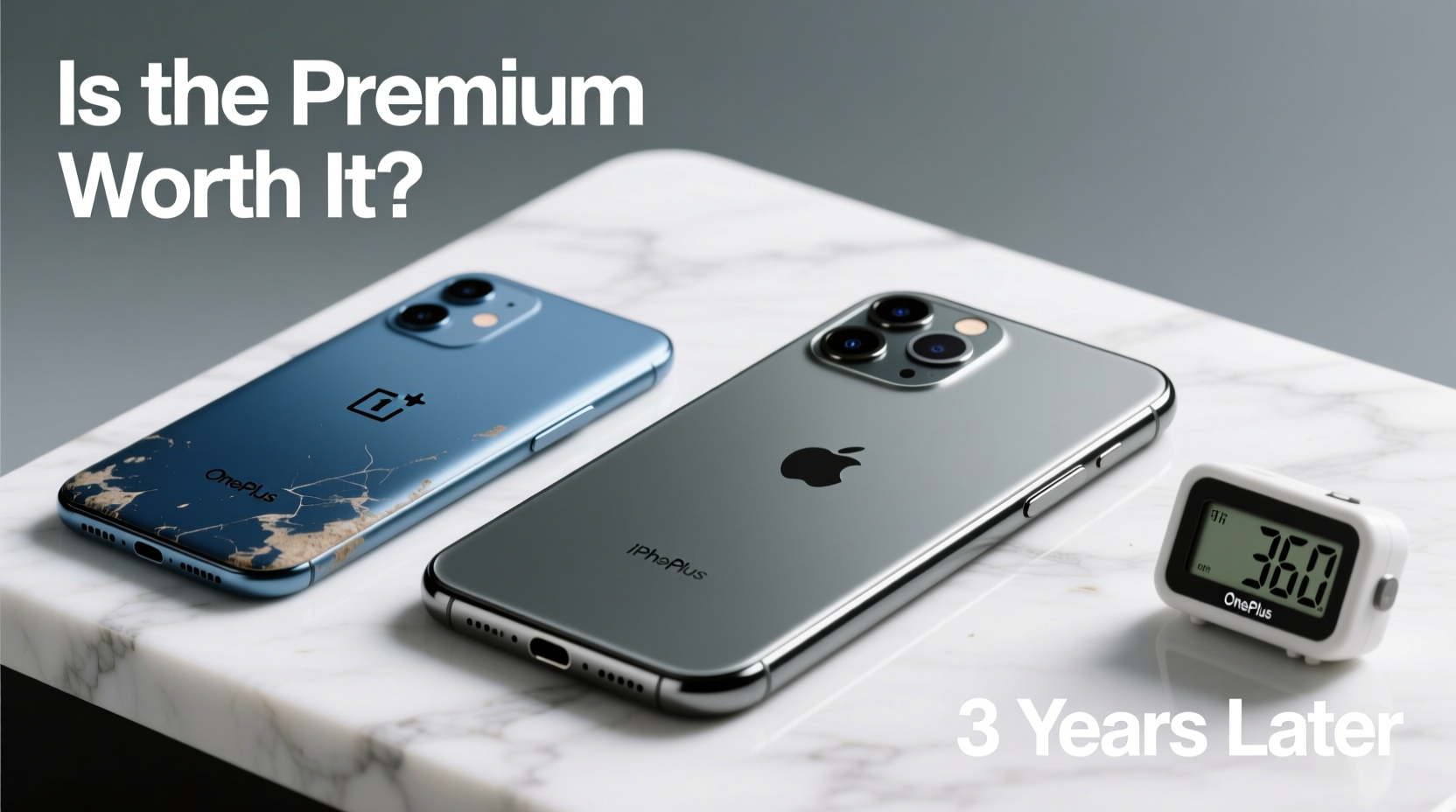
At launch, both devices were powerhouses in their respective ecosystems. The iPhone 11 Pro Max featured Apple’s A13 Bionic chip, built on a 7nm process, while the OnePlus 6T ran on Qualcomm’s Snapdragon 855. On paper, they were competitive, but real-world longevity tells a different story.
Apple’s tight hardware-software integration gives iOS devices an edge in sustained performance. Even after three years, the iPhone 11 Pro Max handles multitasking, app launches, and gaming with minimal lag. Apps open quickly, animations remain smooth, and background processes are efficiently managed thanks to iOS optimization.
The OnePlus 6T, while powerful at launch, shows signs of aging. OxygenOS updates slowed after 2021, and newer versions of Android introduced heavier UI elements that strain the older hardware. Users report slower app loading times, occasional stutters, and longer boot sequences—typical symptoms of software bloat outpacing hardware capability.
Software Support and Updates: The Longevity Factor
One of the most critical differences between these two phones lies in software support. Apple provides five years of iOS updates for its devices. The iPhone 11 Pro Max launched with iOS 13 and received updates through iOS 17 (expected late 2023), giving it at least five years of security patches, feature upgrades, and compatibility with new apps.
In contrast, OnePlus offered only two major OS updates for the 6T. It launched with Android 9 (Pie) and was upgraded to Android 10 and 11. After that, only security patches were delivered—and even those became irregular by 2022. This means the OnePlus 6T lacks support for modern APIs, newer app features, and critical security fixes.
“Long-term software support isn’t just about new features—it’s about safety, compatibility, and usability. Devices without updates become digital liabilities.” — Lena Torres, Mobile Security Analyst at TechShield Labs
For users relying on banking apps, messaging platforms, or productivity tools, outdated operating systems can lead to login failures, missing functionality, or even vulnerability to malware.
Camera Quality After Three Years
Both phones had strong camera systems in 2019, but their evolution differs significantly. The iPhone 11 Pro Max’s triple-lens setup (wide, ultra-wide, telephoto) continues to deliver excellent dynamic range, accurate color reproduction, and reliable low-light performance. Thanks to computational photography advancements pushed through iOS updates, Night Mode and Deep Fusion have improved over time—even on older hardware.
The OnePlus 6T, equipped with a dual rear camera (16MP + 20MP), produced sharp daylight photos but struggled in low light and lacked advanced processing. Without firmware improvements or AI enhancements post-2020, its camera feels dated. HDR is less refined, detail retention drops in shadows, and video stabilization isn’t comparable to current standards.
| Feature | iPhone 11 Pro Max (2023) | OnePlus 6T (2023) |
|---|---|---|
| Operating System | iOS 16 (iOS 17 expected) | Android 11 (no further updates) |
| Battery Health (Avg.) | 80–85% (with replacement) | 65–70% |
| Rear Camera Performance | Still competitive in daylight/low light | Fair in daylight, poor in low light |
| App Compatibility | Full support | Limited (some apps no longer supported) |
| Resale Value (Estimate) | $220–$260 | $100–$130 |
Battery Life and Hardware Durability
Battery degradation is inevitable, but management makes a difference. The iPhone 11 Pro Max originally shipped with a 3,969mAh battery and optimized power delivery. iOS includes features like Optimized Battery Charging, which learns usage patterns to reduce wear. Many users report retaining 80%+ battery health after three years, especially if they avoided frequent fast charging and extreme temperatures.
The OnePlus 6T had a slightly larger 3,700mAh cell but supported Dash Charge (fast charging up to 20W). While convenient, repeated fast charging accelerates lithium-ion wear. Combined with less sophisticated battery management, average battery health on the 6T now ranges between 65% and 70%, leading to noticeably shorter daily usage.
Build quality also plays a role. The iPhone 11 Pro Max’s stainless steel frame and IP68 rating have held up well against spills and drops. The OnePlus 6T’s glass back and aluminum frame are more prone to micro-cracks and delamination over time, especially without a case.
Mini Case Study: Two Users, Three Years Later
Consider Sarah and James, both purchasing their phones in October 2019.
- Sarah bought the iPhone 11 Pro Max for $1,099. She used it daily, enabled iCloud backups, replaced the battery in 2022 ($49), and kept it updated. In 2023, her phone runs smoothly, takes great photos, and integrates seamlessly with her MacBook and AirPods.
- James opted for the OnePlus 6T at $549. He appreciated the stock-like interface and fast charging. By 2021, he noticed slowdowns; by 2022, some apps stopped working. He replaced it in early 2023 due to battery issues and lack of WhatsApp support on older Android versions.
Sarah’s total cost over three years: $1,148 ($1,099 + $49 battery). James spent $549 initially but had to buy a new phone in 2023, totaling $1,000+ when factoring in accessories and data transfer effort. When evaluating long-term value, upfront savings may not translate to overall affordability.
Step-by-Step Guide: Extending Smartphone Lifespan
If you’re using either device today, follow this timeline to maximize longevity:
- Month 1: Enable automatic OS updates and set up cloud backups (iCloud or Google Drive).
- Every 3 Months: Clear app caches, delete unused apps, and restart the device to clear memory leaks.
- Every 6 Months: Inspect battery health (Settings > Battery on iPhone; third-party apps on Android).
- Year 2: Consider a battery replacement if capacity falls below 80%.
- Ongoing: Use a protective case, avoid extreme temperatures, and charge between 20% and 80% when possible.
Frequently Asked Questions
Can the OnePlus 6T still run modern apps?
Some lightweight apps work, but many—including newer versions of Instagram, TikTok, and banking apps—either run poorly or refuse installation due to unsupported Android versions or security policies.
Is the iPhone 11 Pro Max secure in 2023?
Yes. With regular iOS updates including security patches, the iPhone 11 Pro Max remains protected against known vulnerabilities. Apple’s app review process and sandboxing further enhance security.
Should I upgrade if I still use either phone?
If you rely on your phone for work, communication, or security-sensitive tasks, upgrading is advisable—especially from the OnePlus 6T. For casual use, the iPhone 11 Pro Max remains functional, though newer models offer better efficiency and camera performance.
Final Verdict: Was the iPhone Worth the Extra Cost?
Three years later, the iPhone 11 Pro Max justifies its premium price through sustained performance, extended software support, superior camera evolution, and stronger resale value. While the OnePlus 6T offered exceptional value at launch, its shorter update cycle and faster hardware decline highlight the trade-offs of budget flagships.
The extra $550 wasn’t just for better materials or branding—it paid for four additional years of relevance, security, and seamless integration within a broader ecosystem. For users who prioritize longevity, privacy, and consistent experience, the iPhone remains the smarter investment.




 浙公网安备
33010002000092号
浙公网安备
33010002000092号 浙B2-20120091-4
Comments
No comments yet. Why don't you start the discussion?