
In early 2020, smartphone buyers faced a defining choice: Apple’s iPhone 11 Pro or Samsung’s Galaxy S20 Plus. Both were premium flagships with top-tier specs, aggressive pricing, and bold promises about performance, camera quality, and future-proofing. Now, several years later, we can assess these devices not by launch hype but by long-term value, durability, software support, and user experience. Was one genuinely better than the other, or did they simply cater to different audiences?
This retrospective isn’t just about benchmark scores from 2020. It’s about how each phone aged—how well it handled daily use, updates, app compatibility, and evolving photography needs. For users considering refurbished models, second-hand purchases, or simply curious about tech history, this analysis offers clarity on which device delivered more over time.
Design and Build: Durability Over Years
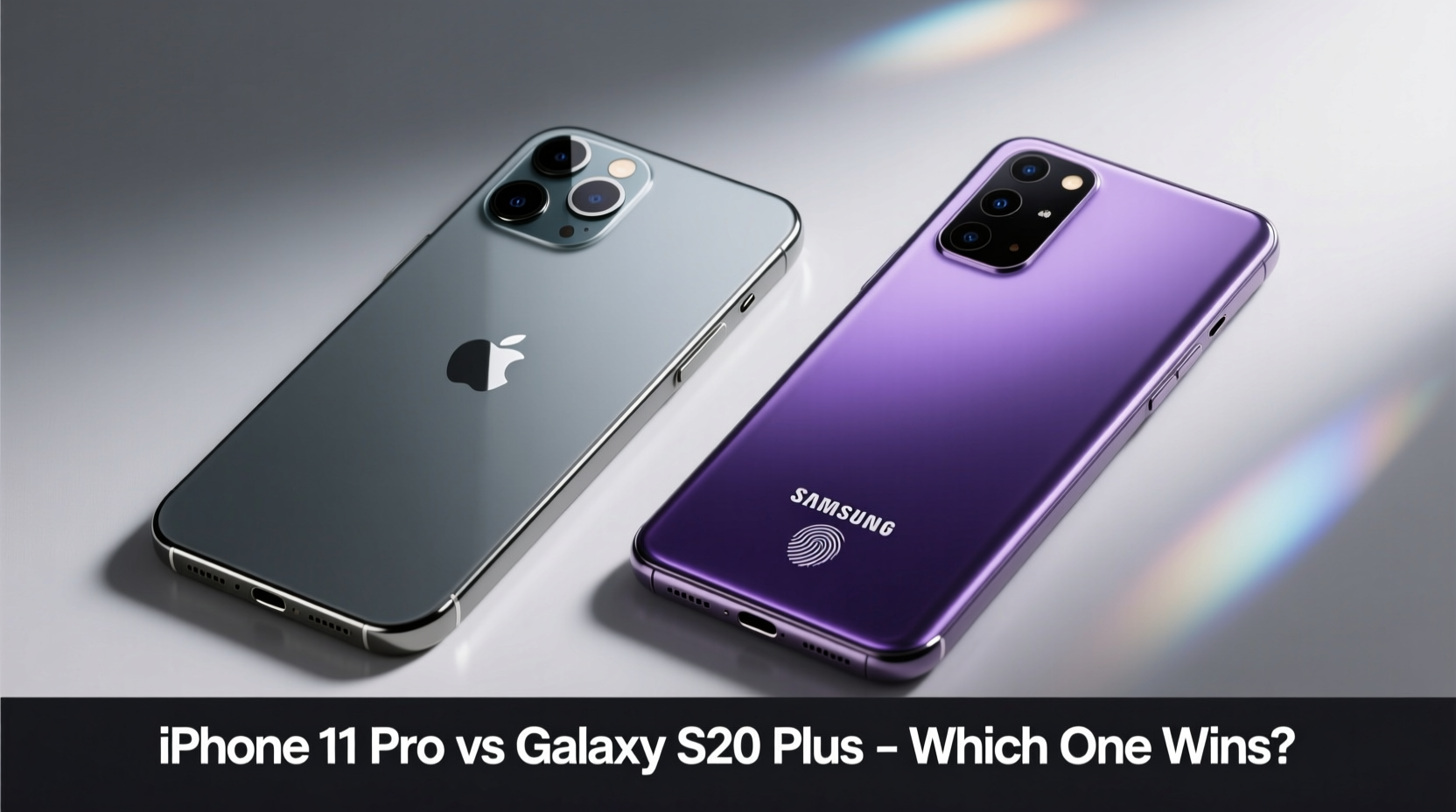
The iPhone 11 Pro featured a surgical-grade stainless steel frame and matte glass back, giving it a premium heft that resisted fingerprints better than glossy rivals. Its IP68 rating meant it could survive submersion up to 4 meters for 30 minutes—still among the best water resistance in smartphones. The squared-off edges provided a secure grip, though some found them less comfortable during extended use.
The Galaxy S20 Plus, meanwhile, used aluminum framing with Gorilla Glass 6 on both front and back. It felt lighter and slightly more ergonomic, especially with its curved display. However, the glossy finish attracted smudges, and the curved screen made screen protectors tricky and accidental touches common. Both phones earned high marks for materials, but real-world feedback shows the iPhone 11 Pro’s flat display and sturdier corners fared better against drops.
Display Technology: Brightness vs Usability
The S20 Plus introduced a 6.7-inch Dynamic AMOLED 2X display with a 3200x1440 resolution and a 120Hz refresh rate—a major leap at the time. Scrolling was smoother, animations more fluid, and gaming responsiveness improved noticeably. However, running at full resolution and refresh rate drained the battery quickly, forcing many users to cap settings at 1080p and 60Hz for practicality.
In contrast, the iPhone 11 Pro had a 5.8-inch Super Retina XDR OLED with a fixed 60Hz refresh rate and lower peak brightness (800 nits typical, 1200 nits peak) compared to the S20 Plus’s 1200+ nits. While technically outclassed, Apple’s color accuracy, HDR handling, and True Tone adaptation made it exceptionally pleasant for media consumption and outdoor visibility. Many reviewers noted that despite the spec gap, the difference in real-world viewing was less dramatic than numbers suggested.
“High refresh rates are nice, but consistent color science and calibration matter more over time.” — David Nagy, Mobile Display Analyst at TechInsight Weekly
Performance and Software Longevity
Under the hood, the iPhone 11 Pro ran Apple’s A13 Bionic chip—an architecture so efficient that even today, it handles iOS 17 smoothly. Most users report no lag in everyday tasks, social apps, or multitasking through 2024. Apple’s commitment to five years of OS updates means the 11 Pro received updates until 2024, matching or exceeding Android counterparts.
The Galaxy S20 Plus launched with either the Snapdragon 865 or Exynos 990 (depending on region), both powerful in their day. But Android fragmentation and Samsung’s update policy—three major OS upgrades and four years of security patches—meant it stopped receiving major updates after Android 13. By 2024, performance remains acceptable, but newer apps and features often feel constrained, particularly in multitasking and background processing.
Apple’s tight hardware-software integration gave the 11 Pro an edge in sustained performance. Apps launched faster, stayed optimized longer, and the overall system felt more cohesive across updates.
Camera Comparison: Real-World Results After Years of Use
The iPhone 11 Pro debuted with a triple-lens setup: 12MP wide, ultra-wide, and telephoto. Its strength lay in consistency—excellent dynamic range, natural color reproduction, and industry-leading video stabilization (up to 4K at 60fps). Night mode arrived with iOS 13.2 and worked seamlessly across all lenses. Even now, videos shot on the 11 Pro hold up remarkably well.
The S20 Plus offered a 64MP telephoto, 12MP main, and 12MP ultra-wide, plus 8K video recording—a headline feature few actually used due to massive file sizes and limited editing support. While pixel count was higher, processing often resulted in oversharpened images or inconsistent HDR transitions. Low-light photos sometimes showed more noise than the iPhone, despite AI enhancements.
Over time, Apple’s computational photography improvements trickled down via software updates, enhancing older models. Samsung’s updates brought new modes but didn’t significantly improve core image quality on the S20 Plus.
| Feature | iPhone 11 Pro | Galaxy S20 Plus |
|---|---|---|
| Launch OS | iOS 13 | Android 10 (One UI 2) |
| Final Major Update | iOS 17 (2023) | Android 13 (2022) |
| Battery Capacity | 3,046 mAh | 4,500 mAh |
| Actual Daily Use (2020) | ~12–14 hours | ~10–12 hours (120Hz disabled) |
| Screen Refresh Rate | 60Hz | 120Hz adaptive |
| Rear Cameras | 3x 12MP (wide, ultra-wide, telephoto) | 108MP main, 64MP tele, 12MP ultra-wide |
| Video Recording | 4K@60fps, Dolby Vision | 8K@24fps, 4K@60fps |
Real-World Example: Two Users, Two Paths
Consider two users from 2020: Maria bought the iPhone 11 Pro for her small business, relying on it for client calls, photo documentation, and mobile editing. She kept it for four years, only upgrading in 2024 due to battery degradation. Throughout that time, every app she used—from Slack to Lightroom—ran without issue. Her videos were used in marketing campaigns and required no additional stabilization.
James chose the S20 Plus for its larger screen and 120Hz display, ideal for gaming and streaming. He appreciated the expandable storage via microSD and the headphone jack adapter convenience. However, by late 2023, he noticed apps taking longer to load, frequent cache clears needed, and One UI updates introducing minor bugs. He upgraded earlier than planned, citing declining reliability.
Their experiences reflect broader trends: iOS devices often maintain usability longer, while Android flagships may peak earlier but decline faster in responsiveness.
Checklist: What to Consider When Buying Either Used Today
- Check battery health: iPhones show percentage in Settings; anything below 80% indicates likely replacement need.
- Verify software status: iPhone 11 Pro supports up to iOS 17; S20 Plus maxes at Android 13.
- Inspect screen condition: Look for burn-in (common on aging OLEDs) and touch sensitivity issues, especially on curved displays.
- Test all cameras: Ensure autofocus works and no fogging inside lenses (sign of moisture damage).
- Confirm original charger compatibility: Fast charging degrades faster if non-certified chargers were used regularly.
Frequently Asked Questions
Which phone has better battery life today?
Even with age, the iPhone 11 Pro often delivers more consistent battery performance due to Apple’s power management. The S20 Plus had a larger battery initially, but higher-resolution display and background processes reduced real-world endurance, especially after multiple charge cycles.
Can either run modern apps smoothly in 2024?
The iPhone 11 Pro handles most current apps well, including social media, banking, and productivity tools. The S20 Plus struggles slightly with heavier apps like Adobe Premiere Rush or newer games at max settings. Performance is usable but not seamless.
Is one easier to repair than the other?
Neither is easy to self-repair, but third-party support favors the iPhone 11 Pro. Replacement batteries, screens, and cameras are widely available and standardized. Samsung’s adhesive-heavy design and proprietary screws make DIY repairs harder, and official parts are costlier.
Conclusion: Looking Back, the Verdict Holds
With the benefit of hindsight, the iPhone 11 Pro emerges as the more enduring device. It wasn’t the most technically advanced at launch—the lack of 120Hz or 8K video drew criticism—but its balanced design, superior software support, and consistent camera performance paid dividends over time. The Galaxy S20 Plus was a bold step forward for Samsung, showcasing innovation in display and zoom capabilities, but its rapid update cutoff and heavier hardware demands limited its lifespan.
If “better” means longer usability, stronger resale value, and fewer compromises over time, the iPhone 11 Pro wins. If “better” means cutting-edge features at launch and customization flexibility, the S20 Plus had its moment. For most users, longevity trumps novelty.




 浙公网安备
33010002000092号
浙公网安备
33010002000092号 浙B2-20120091-4
Comments
No comments yet. Why don't you start the discussion?