
When the iPhone 11 Pro and Samsung Galaxy Note 10 launched in 2019, they represented the peak of their respective ecosystems. The iPhone brought Apple’s first triple-camera system and a Super Retina XDR display, while the Note 10 doubled down on productivity with its S Pen and Android flexibility. Three years later, both devices are well beyond their prime support windows, yet many users still rely on them daily. So, is the iPhone 11 Pro still worth holding onto — or upgrading from — when compared to its Android rival? This isn’t just about specs; it’s about long-term usability, software updates, battery life, and real-world durability.
Performance After Three Years: iOS vs Android Longevity
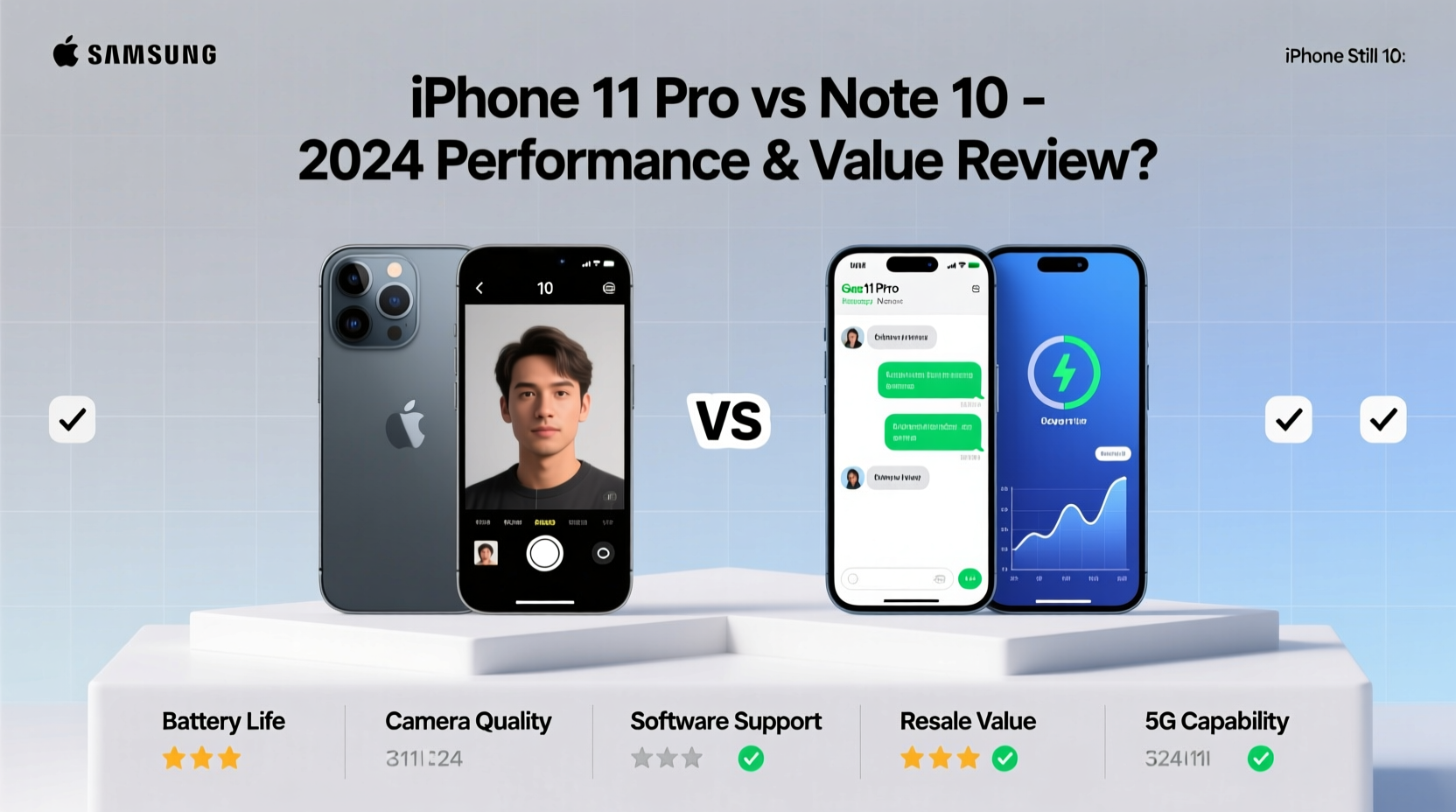
One of the most critical factors in determining whether a phone remains “worth it” after three years is how well it handles modern applications and operating system demands. The iPhone 11 Pro runs on Apple’s A13 Bionic chip, a 7nm processor that was ahead of its time in 2019. Even today, it delivers smooth performance for everyday tasks, social media, video streaming, and even mid-tier gaming. iOS 16, released in 2022, continues to support the 11 Pro — an impressive six-year software commitment from Apple.
In contrast, the Galaxy Note 10, powered by the Exynos 9825 or Snapdragon 855 depending on region, was also a top-tier performer in 2019. However, Samsung’s update policy typically offers three major Android OS upgrades and four years of security patches. By 2023, the Note 10 had reached end-of-life status, no longer receiving updates. This lack of ongoing support increases vulnerability risks and limits compatibility with newer apps.
“Apple’s aggressive software support gives older iPhones a second life that few Android phones can match.” — David Kim, Mobile Analyst at TechPulse Insights
Battery Life and Real-World Endurance
After three years of charging cycles, battery degradation becomes a significant issue. The iPhone 11 Pro originally offered around 4–5 hours of screen-on time. In 2024, users report averages between 2.5 to 3.5 hours, depending on usage and whether the battery has been replaced. Apple’s optimized power management helps extend usable life, but capacity loss is inevitable.
The Note 10 started with slightly weaker endurance — roughly 3.5 to 4 hours of screen time — and tends to degrade faster due to less aggressive background app throttling in Android. Many long-term Note 10 users have reported needing to charge twice daily by year three, especially if fast charging was used frequently.
A key advantage for iPhone owners: battery replacement services are widely available, standardized, and recognized by the OS (showing \"Battery Health\"). Replacing the battery often restores 80–90% of original performance, making the device feel like new.
Camera Quality Over Time: Consistency vs Flexibility
The camera systems on both phones were flagship-grade in 2019. The iPhone 11 Pro introduced Night mode across all lenses and improved Smart HDR, delivering natural color science and excellent dynamic range. Its computational photography engine has aged gracefully, with iOS updates continuing to refine image processing algorithms.
The Note 10 featured a versatile triple rear setup with variable aperture (f/1.5–f/2.4), depth vision, and advanced scene optimization via AI. While photos looked punchy and vibrant out of the gate, some users noticed a drop in consistency over time, particularly in low light, as software updates became less frequent.
| Feature | iPhone 11 Pro | Galaxy Note 10 |
|---|---|---|
| Primary Sensor | 12MP, f/1.8 | 12MP, f/1.5-f/2.4 |
| Ultra-Wide Lens | 12MP, f/2.4 | 16MP, f/2.2 |
| Telephoto Lens | 12MP, f/2.0 | No optical zoom |
| Night Mode | Yes (all lenses) | Limited, less consistent |
| Software Updates (2024) | Active (iOS 16/17 beta) | Discontinued |
For photographers who value reliability over gimmicks, the iPhone’s consistent processing and deeper integration between hardware and software give it an edge in longevity.
Real-World Example: Two Users, Three Years Later
Consider Mark and Lena, both tech-savvy professionals who bought their phones in September 2019. Mark chose the iPhone 11 Pro for its ecosystem integration and build quality. He replaced the battery in late 2022, paid $69 at an Apple Store, and now reports near-original performance. His phone runs iOS 16.5, receives regular security updates, and handles work emails, Zoom calls, and photo editing without lag.
Lena opted for the Note 10+ for its larger screen and S Pen functionality, ideal for taking meeting notes. By 2022, she noticed slower app launches, delayed notifications, and increasing instability in third-party apps. With no Android 13 upgrade available, she migrated to a newer Galaxy model in early 2023, citing “security concerns and sluggishness” as primary reasons.
This scenario reflects a broader trend: iPhones tend to maintain functional relevance longer, while high-end Androids often face obsolescence due to fragmented update policies.
Maintenance Checklist: Maximizing Your Phone’s Lifespan
To get the most out of any smartphone past the three-year mark, follow these best practices:
- Replace the battery if health drops below 80%
- Keep software updated to ensure security and performance improvements
- Limit fast charging to reduce long-term battery stress
- Clear unused apps and data to free up storage and improve responsiveness
- Use protective cases and avoid extreme temperatures
- Restart weekly to clear memory leaks and background processes
Is the iPhone 11 Pro Still Worth It in 2024?
For users who already own the iPhone 11 Pro, the answer is likely yes — provided the battery has been replaced and storage needs are modest (128GB or higher recommended). It remains capable of handling essential tasks, benefits from active software support, and integrates seamlessly with other Apple devices. For those considering buying one secondhand in 2024, caution is advised. While prices have dropped significantly, the lack of newer features like 5G, MagSafe, or Face ID refinements may limit future-proofing.
On the other hand, the Galaxy Note 10, while once a powerhouse, now struggles with outdated software, limited app compatibility, and degraded performance. Without official updates, it poses potential security risks, especially for users handling sensitive information.
Frequently Asked Questions
Can the iPhone 11 Pro run iOS 17?
Preliminary evidence suggests iOS 17 will support the iPhone 11 series, including the 11 Pro. Apple typically supports devices for five to six years, placing the 11 Pro within expected range for 2023–2024 updates.
Should I buy a used iPhone 11 Pro in 2024?
Only if you need a temporary device or have budget constraints. Consider the iPhone 12 or 13 for better longevity, 5G support, and longer update cycles. If purchasing used, verify battery health and ensure it’s not carrier-locked.
Why does iOS feel smoother than Android on older phones?
iOS is tightly integrated with Apple’s hardware, allowing for more efficient resource management. Background processes are more strictly controlled, animations are optimized, and app developers must adhere to stricter performance guidelines, contributing to sustained fluidity.
Final Verdict: Long-Term Value Wins
Three years later, the iPhone 11 Pro proves that thoughtful engineering and strong software support can extend a device’s useful life far beyond industry norms. While the Galaxy Note 10 was innovative and powerful in its time, its shorter update cycle and faster performance decline make it less viable today. The iPhone’s ability to receive critical updates, maintain app compatibility, and deliver reliable camera performance gives it a meaningful edge in long-term value.
If you're still using either device, assess your needs: replace the battery, clean the system, and evaluate whether your current phone meets your daily demands. For most users, the iPhone 11 Pro remains a functional, secure option — a testament to Apple’s approach to sustainable design.




 浙公网安备
33010002000092号
浙公网安备
33010002000092号 浙B2-20120091-4
Comments
No comments yet. Why don't you start the discussion?