
When Apple launched the iPhone 11 Pro and iPhone 11 Pro Max in 2019, they introduced a new tier of premium iPhones with enhanced cameras, improved performance, and notably different screen sizes. The 5.8-inch iPhone 11 Pro and the 6.5-inch iPhone 11 Pro Max shared nearly identical hardware, but that difference in display size sparked ongoing debate: is the larger screen truly worth the extra bulk, cost, and weight?
Years later, as users continue to buy refurbished or discounted models, this question remains relevant. For those considering either device today—whether for daily use, as a backup phone, or on a budget—the decision hinges not just on specs, but on how each model fits into real-life usage patterns.
Design and Physical Differences
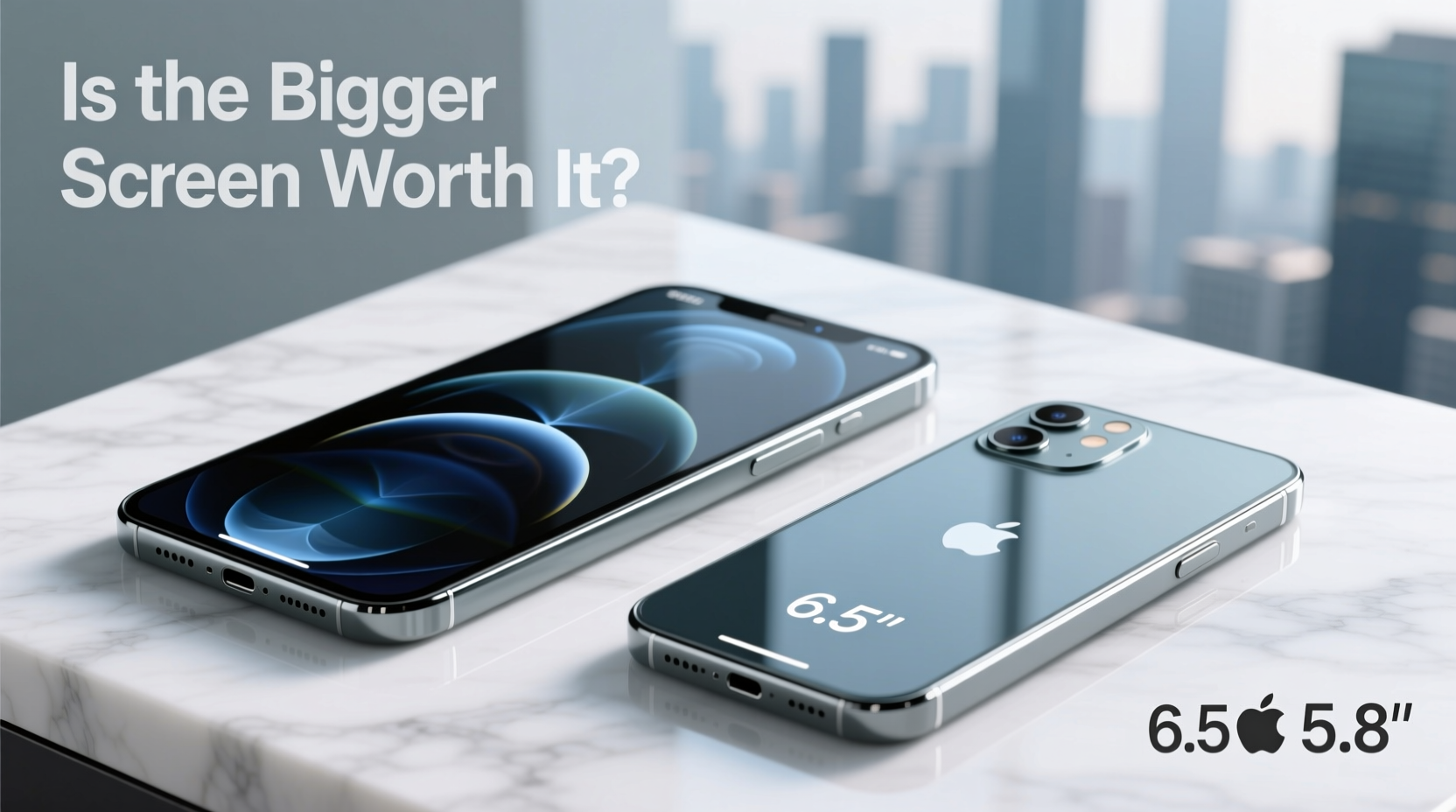
The most immediate distinction between the iPhone 11 Pro and Pro Max lies in their physical dimensions. While both feature stainless steel frames, matte glass backs, and IP68 water resistance, their size impacts handling significantly.
| Feature | iPhone 11 Pro | iPhone 11 Pro Max |
|---|---|---|
| Display Size | 5.8 inches | 6.5 inches |
| Resolution | 2436 x 1125 pixels | 2688 x 1242 pixels |
| Weight | 188 grams (6.6 oz) | 226 grams (7.96 oz) |
| Height | 144 mm | 158 mm |
| Battery Life (Apple claimed video playback) | 18 hours | 20 hours |
The Pro Max is noticeably taller and heavier. For users with smaller hands or those who prefer one-handed operation, the iPhone 11 Pro offers greater comfort. However, the Pro Max’s larger footprint makes it better suited for media consumption, multitasking, and reading.
Screen Real Estate: Practical Benefits of a Larger Display
A 0.7-inch difference may sound small, but in smartphone terms, it translates to substantially more usable space. The Pro Max’s display provides:
- Enhanced video viewing: Wider black bars are minimized, and streaming services like Netflix or YouTube benefit from additional vertical space.
- Better split-screen functionality: When using apps like Notes alongside Mail or Safari with picture-in-picture, the extra width prevents cramped layouts.
- Improved gaming experience: More screen area means better visibility in games, especially in titles where peripheral awareness matters.
- Easier typing: Though both devices support the same keyboard layout, the larger screen slightly reduces accidental keystrokes due to increased key spacing perception.
For professionals using their phones for document editing, email triage, or photo review, the Pro Max delivers a near-tablet-like advantage without requiring a separate device.
“Screen size isn’t just about watching videos—it changes how efficiently you interact with content. On larger displays, cognitive load decreases because information is easier to parse at a glance.” — Dr. Lena Torres, Human-Computer Interaction Researcher, Stanford University
Battery Life: Does Bigger Mean Better Endurance?
One of the most tangible benefits of the Pro Max’s size is its larger battery. Despite sharing the same A13 Bionic chip and OLED efficiency, the Pro Max consistently outperforms the Pro in real-world endurance.
In independent tests conducted by tech reviewers, the iPhone 11 Pro Max delivered up to 25% longer screen-on time under mixed usage—browsing, messaging, video playback, and light photography. This means:
- Up to 8–9 hours of continuous video streaming on Wi-Fi (vs. 6–7 on the Pro).
- Near-full-day battery life even with heavy app switching and GPS navigation.
- Less frequent charging during travel or long workdays.
If your routine involves extended periods away from outlets—commuting, fieldwork, or outdoor activities—the Pro Max’s battery edge becomes a decisive factor.
Mini Case Study: Daily Use Comparison
Consider Sarah, a freelance photographer who uses her iPhone for client communication, editing previews in Lightroom, and reviewing portfolios on Instagram. She initially chose the iPhone 11 Pro for its compactness but found herself charging midday when shooting on location.
After switching to the iPhone 11 Pro Max, she noticed two key improvements: first, she could edit RAW thumbnails with greater precision thanks to the larger canvas; second, her battery lasted through full shoots without needing a power bank. Though she missed the snug fit in her jacket pocket, the productivity gains outweighed the inconvenience.
Camera Performance: Identical Hardware, Different Handling
Both models feature the same triple-camera system: 12MP wide, ultra-wide, and telephoto lenses, along with Night mode, Deep Fusion, and 4K video recording. There is no difference in image quality, dynamic range, or low-light performance.
However, the larger body of the Pro Max offers more stability when shooting handheld, especially in low light or when using digital zoom. The added weight reduces shake, resulting in sharper photos even without a tripod.
Additionally, the bigger screen allows for more accurate framing and manual focus adjustments—critical for creators who rely on precise composition.
Usability Trade-offs: Comfort vs Capability
The central dilemma remains: capability versus convenience. The iPhone 11 Pro Max excels in performance, battery, and multimedia, but sacrifices portability.
Users with smaller hands may struggle to reach across the screen without shifting grip. Tasks like unlocking with Face ID while holding the phone one-handed can be awkward. Pockets—especially tight jeans or slim jackets—often reject the Pro Max entirely.
Conversely, the iPhone 11 Pro feels balanced and pocket-friendly, but some users report feeling constrained by the smaller screen after adapting to larger displays.
Checklist: Which iPhone 11 Pro Model Is Right for You?
Answer these questions to determine your ideal fit:
- Do you regularly watch videos, read e-books, or browse web articles on your phone? → Favor Pro Max
- Do you often carry your phone in a small pocket or prefer minimal weight? → Favor Pro
- Is all-day battery life critical without access to charging? → Favor Pro Max
- Do you have difficulty operating large phones with one hand? → Favor Pro
- Are you using the phone for creative work like photo editing or note-taking? → Favor Pro Max
Frequently Asked Questions
Can the iPhone 11 Pro Max be used comfortably one-handed?
It depends on hand size and usage habits. Apple’s Reachability feature (swipe down on the bottom of the screen) helps bring top elements within thumb range. However, prolonged one-handed use may cause strain for users with smaller hands.
Is there a price difference between the two models today?
While original launch prices differed by $100, current resale and refurbished markets show narrower gaps. The Pro Max often sells for only $30–$50 more than the Pro, making it a better value per inch of screen and battery capacity.
Do both phones support the same accessories?
Most cases, chargers, and wireless charging pads are compatible. However, cases are not interchangeable due to size differences. MagSafe accessories align differently, and third-party mounts may require model-specific adjustments.
Final Verdict: Is the Bigger Screen Worth It?
For most users upgrading from an older iPhone or transitioning from a smaller Android device, the iPhone 11 Pro Max offers meaningful advantages. The larger screen enhances every visual task, from scrolling social media to editing documents. Combined with superior battery life and identical camera performance, it presents a compelling case for choosing size over compactness.
Yet, the iPhone 11 Pro still holds appeal for those prioritizing elegance, ease of handling, and discretion. Its size strikes a balance between modern display expectations and traditional phone ergonomics.
In 2024, with both models readily available at discounted prices, the decision ultimately comes down to lifestyle. If you consume content, create on the go, or hate constant charging, the Pro Max earns its place. But if you value pocketability and effortless control, the Pro remains a refined choice.




 浙公网安备
33010002000092号
浙公网安备
33010002000092号 浙B2-20120091-4
Comments
No comments yet. Why don't you start the discussion?