
When Apple launched the iPhone 11 Pro and iPhone 11 Pro Max in 2019, they introduced a new tier of premium iPhones with enhanced cameras, longer battery life, and Super Retina XDR displays. While both phones share nearly identical internals—same processor, same camera system, same build quality—one key difference stands out: screen size. The iPhone 11 Pro features a 5.8-inch display, while the Pro Max boasts a 6.5-inch screen. But does that extra screen real estate translate into meaningful benefits? For many users, the answer depends on how they use their phone daily.
Display and Viewing Experience
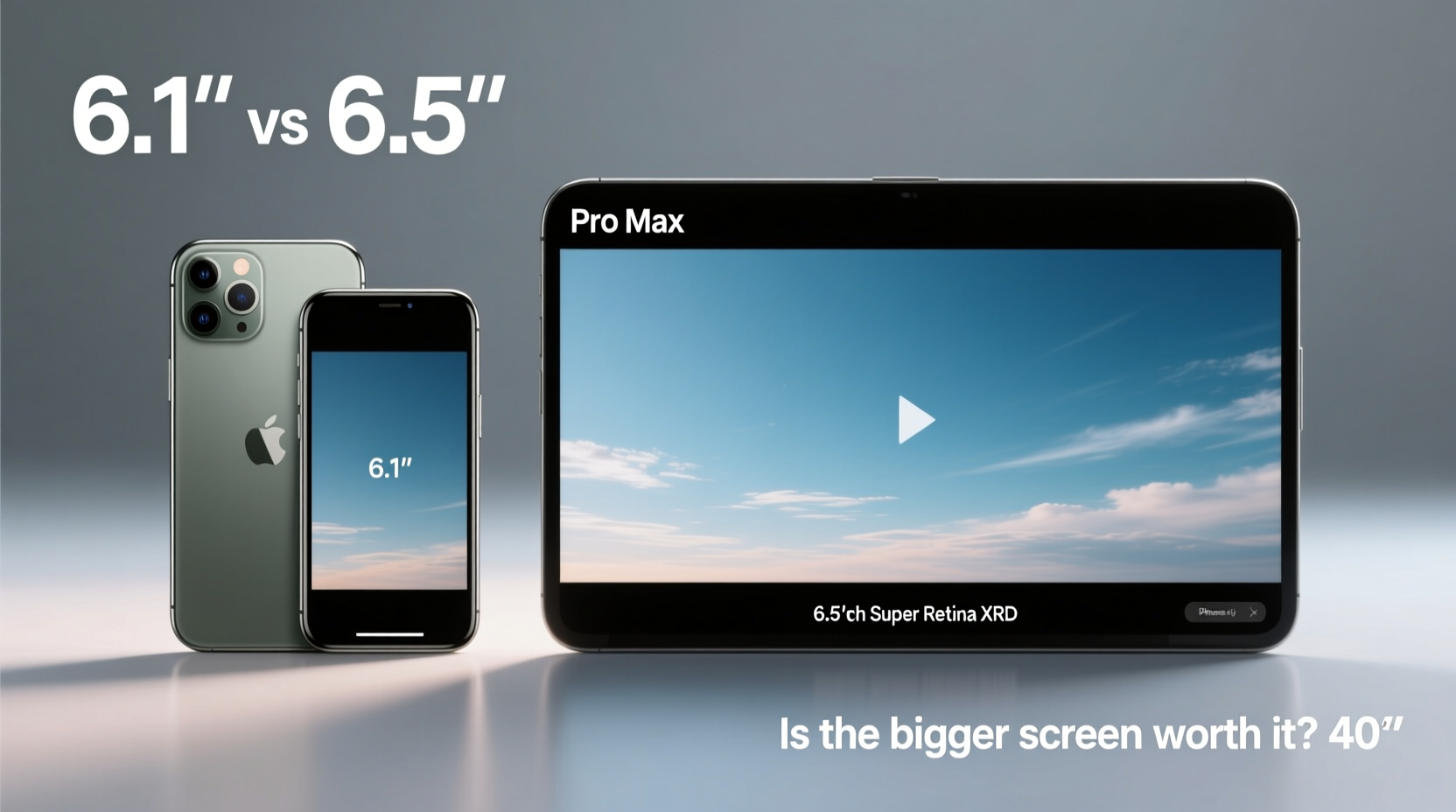
The most obvious distinction between the two models is the display size. The iPhone 11 Pro Max’s 6.5-inch OLED panel offers 26% more screen area than the 5.8-inch display on the iPhone 11 Pro. Both feature Apple’s Super Retina XDR technology, delivering excellent contrast ratios, deep blacks, and accurate color reproduction. In direct comparison, media consumption—especially video streaming, gaming, and reading—is noticeably more immersive on the Pro Max.
For example, watching a movie on Netflix or YouTube provides a near-tablet-like experience on the Pro Max, with wider letterboxing and larger subtitles. Similarly, multitasking with split-screen apps (where supported) becomes more practical due to increased horizontal space. However, this advantage comes at the cost of one-handed usability. The Pro Max is significantly harder to operate with one hand, especially for users with smaller palms.
Battery Life: A Clear Winner
Battery performance is where the Pro Max pulls decisively ahead. Apple rated the iPhone 11 Pro for up to 18 hours of video playback, while the Pro Max was rated for up to 20 hours—a modest but meaningful difference. In real-world usage, the Pro Max consistently delivers an extra 1.5 to 2 hours of screen-on time under similar conditions.
This extended endurance stems from the larger physical battery inside the Pro Max, which compensates for the slightly higher power demands of the bigger screen. For travelers, professionals on long workdays, or heavy social media users, this additional buffer can eliminate the need for midday charging. The Pro, while still respectable, often requires plugging in by late afternoon with moderate to heavy use.
“Battery life is often the deciding factor for professionals who rely on their phones throughout the day. The Pro Max isn’t just bigger—it lasts longer when you need it most.” — David Lin, Mobile Tech Analyst at GadgetInsight
Portability and Ergonomics
Despite their shared stainless steel frame and matte glass back, the two phones feel very different in the hand. The iPhone 11 Pro weighs 188 grams and measures 144 x 71.4 x 8.1 mm, making it compact enough to fit comfortably in most front pockets. The Pro Max, at 226 grams and 158 x 77.8 x 8.1 mm, is noticeably heavier and taller. Sliding it into tight jeans or retrieving it one-handed can be awkward.
Over time, the weight difference becomes more apparent during prolonged use. Holding the Pro Max for extended reading, gaming, or FaceTime calls can lead to hand fatigue. Meanwhile, the Pro strikes a balance between screen size and manageability, appealing to users who value pocketability without sacrificing too much functionality.
Physical Comparison Table
| Feature | iPhone 11 Pro | iPhone 11 Pro Max |
|---|---|---|
| Display Size | 5.8 inches | 6.5 inches |
| Resolution | 2436 x 1125 pixels | 2688 x 1242 pixels |
| Weight | 188 g (6.6 oz) | 226 g (7.96 oz) |
| Battery Life (Video Playback) | Up to 18 hours | Up to 20 hours |
| Dimensions | 144 x 71.4 x 8.1 mm | 158 x 77.8 x 8.1 mm |
| Starting Price (Launch) | $999 | $1,099 |
Camera Performance: Nearly Identical
Both devices are equipped with the same triple-camera system: a 12MP wide, ultra-wide, and telephoto lens setup. Image quality, dynamic range, low-light performance, and Night Mode capabilities are indistinguishable between the two. Whether you're capturing landscapes, portraits, or action shots, the hardware and software processing deliver identical results.
The only subtle difference lies in video stabilization. Due to its larger body, the Pro Max can sometimes provide marginally smoother handheld video, particularly when walking or filming in motion. However, this is not a result of superior hardware but rather improved physical stability from the device's size.
Real-World Usage: A Mini Case Study
Sarah, a freelance photographer based in Portland, used both models over a three-month period. She started with the iPhone 11 Pro for its portability but switched to the Pro Max after realizing she edited more photos directly on her phone during client meetings.
\"The extra screen space made a huge difference when cropping or adjusting exposure,\" she said. \"I could see more of the image and had better access to editing tools without constantly zooming in and out. But I did miss how easily the Pro slipped into my jacket pocket.\"
Ultimately, Sarah kept the Pro Max as her primary device despite the bulk, citing productivity gains during shoots and post-processing. Her experience underscores a broader trend: users whose workflows involve media creation or consumption often benefit more from the larger screen.
Step-by-Step: Choosing the Right Model for You
Deciding between the iPhone 11 Pro and Pro Max doesn’t have to be overwhelming. Follow this simple decision framework:
- Assess your daily usage: Do you stream videos, play games, or edit documents/photos on your phone? If yes, lean toward the Pro Max.
- Evaluate pocket space: Try holding a ruler or a sheet of paper cut to 158mm x 78mm. Can you comfortably carry it all day? If not, the Pro is likely a better fit.
- Consider battery needs: If you travel often or lack reliable access to charging, the Pro Max’s longer battery life is a tangible advantage.
- Test grip comfort: Visit a store if possible. Hold both devices and simulate thumb reach across the screen. Can you comfortably tap top corners?
- Weigh the price: At launch, the Pro Max cost $100 more. Even today on the resale market, that gap persists. Decide whether the benefits justify the premium.
Frequently Asked Questions
Is the iPhone 11 Pro Max too big for average hands?
Many users with average to small hands find the Pro Max difficult to use one-handed. Reachability mode helps, but frequent swiping and tapping across the screen can become tiring. It ultimately depends on personal comfort and usage habits.
Do both phones support the same accessories?
Yes, both models use the same Lightning port, support 18W fast charging, and are compatible with MagSafe cases and wireless chargers released after 2020. However, cases are not interchangeable due to size differences.
Does the larger screen affect app performance?
No. Both phones use the same A13 Bionic chip, so app loading times, multitasking, and overall responsiveness are identical. The Pro Max simply renders content across more pixels, which the A13 handles effortlessly.
Final Verdict: Is the Bigger Screen Worth It?
The iPhone 11 Pro Max’s larger screen enhances media consumption, improves multitasking, and extends battery life—all valuable upgrades. However, these benefits come with trade-offs in portability, weight, and ease of use. The iPhone 11 Pro remains an excellent choice for users who prioritize a balanced form factor without sacrificing premium features.
Ultimately, “worth it” depends on your lifestyle. If you’re a mobile creator, frequent traveler, or someone who relies on their phone for entertainment during commutes, the Pro Max’s advantages are compelling. But if you value sleek design, one-handed control, and minimal pocket footprint, the iPhone 11 Pro delivers nearly the same experience in a more manageable package.




 浙公网安备
33010002000092号
浙公网安备
33010002000092号 浙B2-20120091-4
Comments
No comments yet. Why don't you start the discussion?