
At first glance, comparing the iPhone 11 and the Samsung Galaxy Note 5 seems like a mismatch. One launched in 2019, the other in 2015—nearly half a decade apart in tech time. Yet, years after their releases, discussions persist across forums, Reddit threads, and social media. Why? The answer isn’t just about specs or performance. It’s about user loyalty, device longevity, emotional attachment, and how different generations perceive value in smartphones.
The iPhone 11, Apple’s mid-tier offering at the time, brought modern features like Face ID, dual cameras, and A13 Bionic power to a more accessible price. The Galaxy Note 5, though discontinued long before, was a flagship powerhouse in its day—renowned for its S Pen, premium metal-and-glass design, and high-end display. Despite being outdated by today’s standards, the Note 5 still has a cult following. Meanwhile, the iPhone 11 remains actively supported with iOS updates, making it relevant even now.
This article explores why these two devices continue to be compared—not because they’re evenly matched, but because their legacies reflect broader shifts in consumer behavior, brand loyalty, and what users truly value in a phone.
The Longevity Factor: How Long Should a Phone Last?
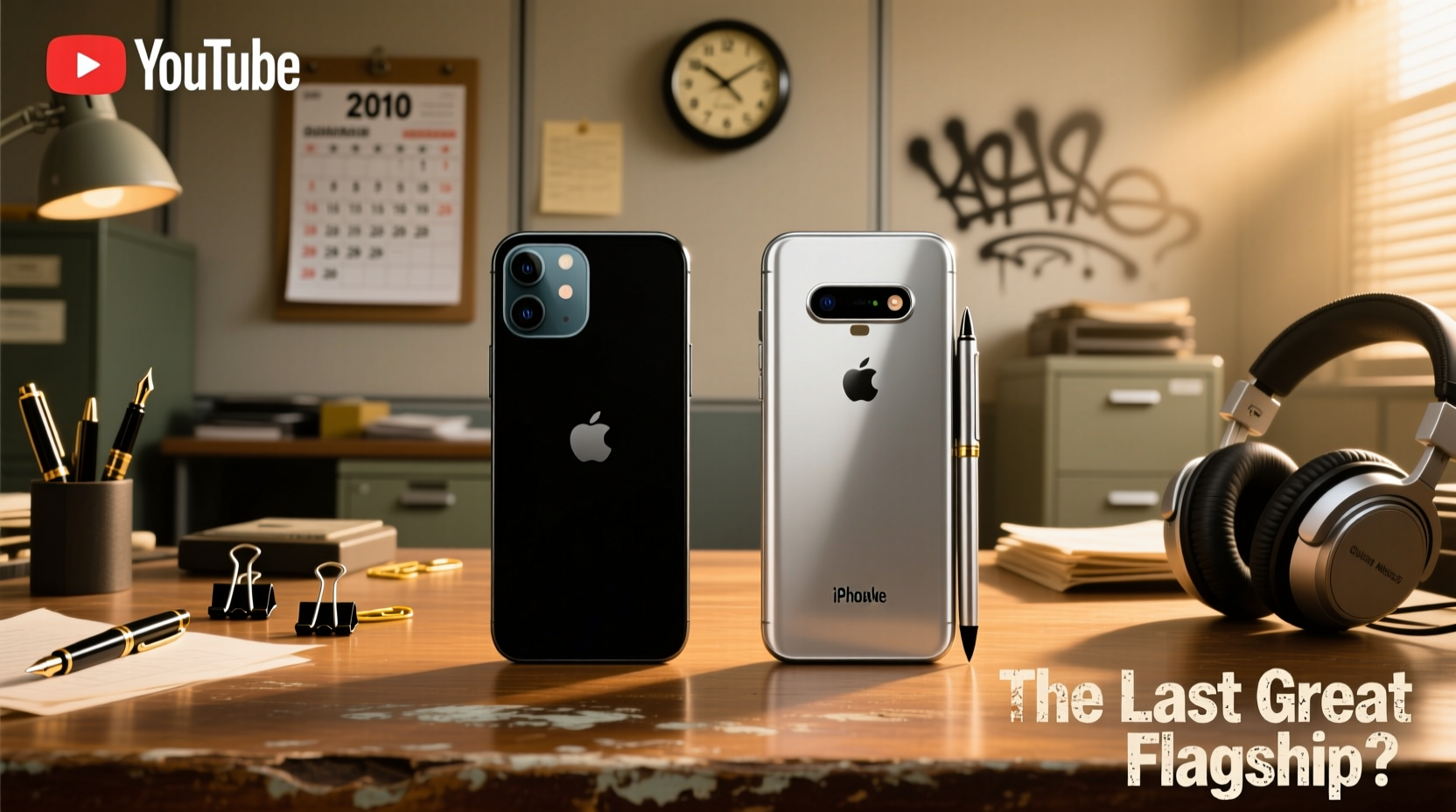
One reason the iPhone 11 vs Galaxy Note 5 conversation lingers is the growing expectation that smartphones should last longer. In 2015, replacing a phone every two years was standard. Today, economic pressures and environmental awareness have shifted consumer habits. People want devices that endure—both physically and software-wise.
The iPhone 11 exemplifies this shift. As of 2024, it still receives iOS updates, including security patches and feature upgrades. That’s nearly five years of support—a rarity in the Android world, especially for older models. In contrast, the Galaxy Note 5 stopped receiving major OS updates after Nougat (Android 7), and security patches ended years ago.
Yet, some users report still using their Note 5 as a secondary device or backup. While impractical for daily use today, this persistence speaks volumes about build quality and early flagship engineering. Samsung used premium materials and robust components in the Note 5, contributing to its physical durability—even if software limitations make it obsolete.
“Device longevity isn’t just about hardware strength—it’s about software support. Apple’s update policy gives older iPhones relevance long after release.” — Mark Tran, Mobile Industry Analyst at TechTrend Insights
User Loyalty and Brand Identity
Another driver behind this unusual comparison is brand allegiance. iPhone and Samsung users often form deep emotional attachments to their ecosystems. For many, switching platforms feels like changing identities. Discussions comparing old flagships become battlegrounds for proving which brand built better legacy devices.
iOS users praise the iPhone 11 for its seamless integration with Apple services, consistent performance, and long-term reliability. Android enthusiasts, particularly fans of the Note series, argue that the Galaxy Note 5 offered more customization, expandable storage, and productivity tools via the S Pen—features still valued today.
These debates aren’t really about camera megapixels or processor speeds. They’re expressions of identity. When someone says, “My Note 5 lasted me four years,” they’re not just stating a fact—they’re asserting pride in their choice and defending their technological tribe.
Real Example: John’s Cross-Platform Journey
John, a graphic designer from Austin, used a Galaxy Note 5 from 2015 to 2019. He relied on the S Pen for sketching ideas and appreciated the microSD slot for storing large project files. When his battery began degrading, he switched to an iPhone 11 for better app stability and longer software support. But even after three years on iOS, he occasionally checks Note 5 forums, curious if anyone else still uses it.
“I miss the stylus,” he admits. “But I can’t deny how smooth my iPhone 11 runs, even now. I’m not going back—but part of me wishes Samsung had kept supporting the Note line like Apple supports old iPhones.”
His story reflects a common tension: functional superiority versus nostalgic utility.
Performance Comparison: A Tale of Two Eras
To understand the disconnect, let’s look at actual specs—keeping in mind that raw numbers don’t tell the whole story.
| Feature | iPhone 11 | Galaxy Note 5 |
|---|---|---|
| Release Year | 2019 | 2015 |
| Processor | A13 Bionic (7nm) | Exynos 7420 / Snapdragon 808 (14nm) |
| Ram | 4GB | 4GB |
| Storage Options | 64/128/256GB (non-expandable) | 32/64GB + microSD up to 256GB |
| Operating System | iOS 13 → iOS 17 (supported) | Android 5.1 → Android 7 (no further updates) |
| Battery Capacity | 3,110 mAh | 3,000 mAh |
| Camera | Dual 12MP (wide + ultra-wide) | Single 16MP (rear) |
| S Pen Support | No | Yes |
| Fingerprint Sensor | No (Face ID only) | Rear-mounted capacitive |
The data shows a clear generational leap. The iPhone 11 outperforms the Note 5 in processing speed, camera capabilities, software support, and efficiency. However, the Note 5 offered unique advantages: expandable storage, replaceable battery (with effort), and the S Pen—an innovation ahead of its time.
What makes the debate interesting is that some users still prefer those niche features over modern conveniences. This highlights a key insight: not all progress is universally valued.
Checklist: What to Consider When Evaluating Older Smartphones
If you're thinking about using or buying a used device like the iPhone 11 or Galaxy Note 5, here’s a practical checklist to guide your decision:
- Software Support: Is the device still receiving security updates?
- Battery Health: Can the battery be replaced easily? What’s the typical degradation after 3+ years?
- Ecosystem Compatibility: Does it work well with current apps and cloud services?
- Repairability: Are parts available? Is it easy to fix?
- Use Case: Will it handle your daily tasks—messaging, browsing, photography, banking?
- App Performance: Do modern apps run smoothly, or do they lag and crash?
- Security Risks: Devices without updates are vulnerable to malware and phishing.
FAQ: Common Questions About iPhone 11 and Galaxy Note 5
Can the Galaxy Note 5 still be used in 2024?
Possibly—for basic tasks like calling, texting, or playing local media. However, most modern apps either won’t install or will run poorly. Without security updates, it’s risky for web browsing or logging into accounts.
Is the iPhone 11 still worth buying in 2024?
For budget-conscious buyers, yes—especially refurbished models. It handles everyday tasks efficiently, supports the latest iOS features (as of iOS 17), and integrates well with other Apple devices. Just verify battery health before purchase.
Why do people romanticize older phones like the Note 5?
Nostalgia plays a big role. The Note 5 represented peak Android flagship design before Samsung shifted focus. Its removable battery, SD card slot, and stylus appealed to power users who felt later models prioritized aesthetics over functionality.
Conclusion: Why This Debate Matters Beyond Specs
The continued discussion around the iPhone 11 vs Galaxy Note 5 isn’t about finding a winner. It’s a reflection of how we relate to technology over time. The iPhone 11 stands as a symbol of enduring software support and ecosystem strength. The Galaxy Note 5 represents a golden era of Android customization and hardware innovation.
These conversations remind manufacturers that users care about more than just new features—they want longevity, repairability, and respect for past investments. As sustainability becomes a bigger concern, companies may need to rethink how long devices are supported and whether certain beloved features should be preserved.
Whether you’re team Apple or team Samsung, one thing is clear: a great phone isn’t just fast or flashy. It’s one that continues to serve you—year after year.




 浙公网安备
33010002000092号
浙公网安备
33010002000092号 浙B2-20120091-4
Comments
No comments yet. Why don't you start the discussion?