
In 2024, comparing the iPhone 11 and Samsung Galaxy Note 10 might seem like revisiting old ground. Both devices launched in 2019, yet they still serve millions of users worldwide. With software updates keeping them functional and secondary markets thriving, many are asking: does the screen on the Note 10 truly outshine the iPhone 11, or has marketing inflated its reputation over time?
This isn’t just about specs on paper. It’s about how these displays hold up after five years of use, how they perform under daily conditions, and whether the differences matter to real people using real apps. Let’s cut through the noise.
Display Technology: OLED vs LCD – The Core Difference
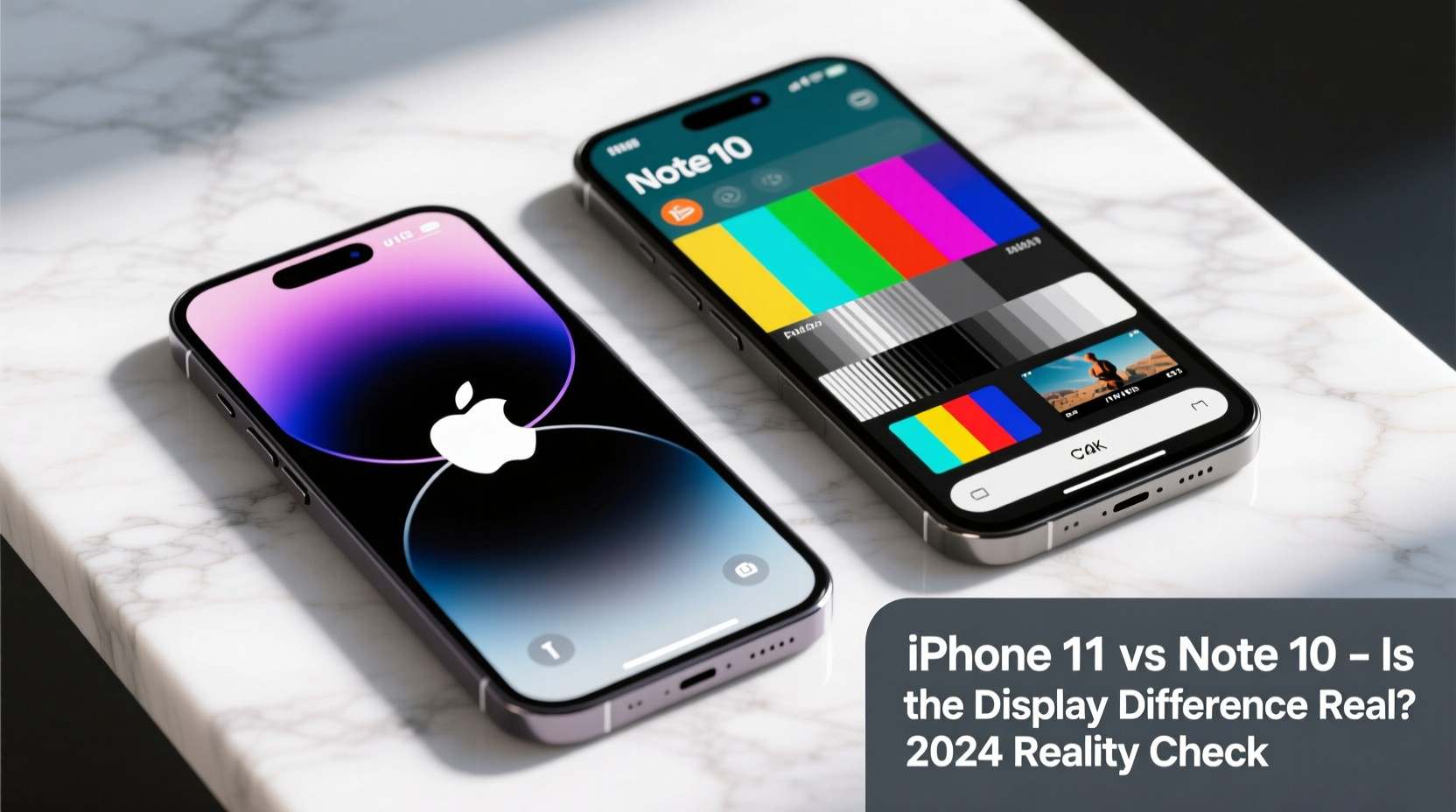
The most fundamental distinction between the two phones lies in their display technology. The iPhone 11 uses an LCD (Liquid Crystal Display) panel branded as Liquid Retina HD by Apple, while the Galaxy Note 10 features a Dynamic AMOLED screen — a type of OLED (Organic Light-Emitting Diode).
OLED screens produce their own light per pixel, allowing for true blacks, infinite contrast ratios, and deeper color saturation. LCDs, on the other hand, require a backlight, which means blacks appear more like dark grays and colors can look less vibrant in comparison.
In controlled environments — such as dimly lit rooms or when watching HDR content — the Note 10’s screen delivers a noticeably richer experience. But in bright daylight, the story shifts. The iPhone 11 compensates with excellent brightness calibration and wide color gamut support, making it surprisingly competitive outdoors.
Real-World Performance in 2024
Five years after release, both phones show signs of aging, but differently. OLED panels are prone to burn-in over time, especially if static elements (like navigation bars or status icons) remain visible for extended periods. Users of the Note 10 who kept factory settings or used third-party launchers with persistent icons have reported faint ghosting on the edges of their screens.
Meanwhile, the iPhone 11’s LCD doesn’t suffer from burn-in. Its uniform backlight ensures consistent image quality across the lifespan, though some units exhibit yellowing or backlight bleed around the edges due to aging seals and adhesives.
From a usability standpoint, neither screen feels outdated in 2024. Scrolling through social media, reading articles, or watching videos remains smooth on both. However, the Note 10 benefits from a higher resolution (2340 x 1080 vs. 1792 x 828) and slightly sharper text rendering, particularly noticeable in dense web pages or e-books.
“While OLED offers superior contrast, LCD longevity and resistance to permanent image retention make it a smarter long-term choice for heavy UI users.” — Dr. Lena Park, Display Engineer at Mobile Insights Group
Side-by-Side Comparison Table
| Feature | iPhone 11 | Note 10 |
|---|---|---|
| Display Type | Liquid Retina HD (LCD) | Dynamic AMOLED |
| Size | 6.1 inches | 6.3 inches |
| Resolution | 1792 x 828 pixels (~326 ppi) | 2340 x 1080 pixels (~401 ppi) |
| Brightness (Peak) | 625 nits (typical) | 1240 nits (HDR peak) |
| Contrast Ratio | 1400:1 | Infinity:1 (theoretical) |
| HDR Support | HDR10, Dolby Vision | HDR10+ |
| Burn-In Risk | None | Moderate (after prolonged use) |
| Refresh Rate | 60Hz | 60Hz |
Mini Case Study: Daily Driver After Five Years
Consider Mark, a freelance photographer based in Lisbon, who has used the same Galaxy Note 10 since 2019. He relies on his phone for editing previews, client communication, and portfolio sharing. By late 2023, he began noticing a faint outline of the navigation bar along the right edge of his screen — classic OLED burn-in.
He switched to a minimalist launcher and enabled auto-hiding buttons, which slowed further degradation. Still, the artifact remains visible when viewing full-white backgrounds. In contrast, his colleague Ana uses an iPhone 11 for similar tasks. Her screen shows no image retention, though she notes that black backgrounds in photo apps appear less immersive than on newer OLED devices.
Both users agree: for professional image review, neither screen meets current flagship standards, but the iPhone 11 provides more consistent long-term reliability.
Is the Difference Just Hype?
In 2019, Samsung marketed the Note 10’s display as “cinematic” and “revolutionary,” emphasizing its HDR capabilities and near-bezel-less design. Apple countered by highlighting color accuracy and durability. Today, with both phones well into their lifecycle, the question isn’t which was better at launch — it’s which holds up better now.
The answer depends on usage patterns:
- If you value deep blacks and vivid media consumption in dark environments, the Note 10 still impresses.
- If you prioritize screen longevity, outdoor visibility, and consistent performance without risk of burn-in, the iPhone 11 holds its ground.
- If you're sensitive to motion blur or fast scrolling, neither offers high refresh rates — a notable gap compared to modern 90Hz or 120Hz displays.
The perceived “superiority” of the Note 10’s screen often comes from initial wow factor — something marketers exploit. But real-world endurance favors the iPhone 11’s simpler, more resilient LCD.
Checklist: How to Maximize Your Phone’s Screen Longevity in 2024
- Enable automatic brightness to prevent unnecessary strain.
- Use dark mode apps to minimize pixel wear (especially on OLED).
- Rotate wallpapers regularly to prevent static element retention.
- Avoid leaving the screen on for hours with fixed content (e.g., maps, timers).
- Apply a high-quality matte screen protector to reduce glare and fingerprint smudges.
- Keep software updated — manufacturers sometimes tweak display drivers for efficiency.
- Store the device in a cool place; heat accelerates screen aging.
Frequently Asked Questions
Can I still buy replacement screens for iPhone 11 or Note 10 in 2024?
Yes, both models have widely available aftermarket screens. However, third-party replacements may not match original color accuracy or touch responsiveness. For the Note 10, ensure the OLED module supports HDR and proper blue light filtering.
Does iOS or Android affect how the screen looks over time?
Indirectly, yes. Android’s flexibility allows deeper customization of UI elements, which can increase burn-in risk on OLED. iOS enforces stricter interface consistency, reducing static pixel usage. Additionally, Apple’s OS optimizations help maintain color calibration across updates.
Is there a noticeable difference when streaming video in 2024?
On platforms like Netflix or YouTube, the Note 10 supports HDR10+ with richer dynamic range, but only if the app and content support it. The iPhone 11 supports Dolby Vision, which many users find more balanced. In standard dynamic range (SDR), the difference is minimal, especially on smaller screens.
Conclusion: Look Beyond the Glossy Surface
The debate between iPhone 11 and Note 10 screens in 2024 isn’t about which was flashier at launch — it’s about sustainability, practicality, and personal needs. The Note 10’s OLED dazzles in the short term, but carries long-term risks. The iPhone 11’s LCD may seem technically inferior, yet it proves remarkably durable and consistent.
Marketing will always favor spectacle. But for users who keep phones longer, value reliability, or operate in varied lighting conditions, the “better” screen isn’t always the one with the highest specs. Sometimes, it’s the one that lasts without surprises.




 浙公网安备
33010002000092号
浙公网安备
33010002000092号 浙B2-20120091-4
Comments
No comments yet. Why don't you start the discussion?