
In 2019, Apple released the iPhone 11, a device that wasn’t groundbreaking on paper but became one of the best-selling smartphones in history. Around the same time, Google’s Pixel XL series—particularly the Pixel 3 and 4—offered compelling alternatives with superior computational photography and pure Android experiences. Yet, years later, the iPhone 11 remains a cultural staple, while the Pixel XL has faded into niche admiration. Why does the iPhone continue to dominate mindshare, even when competing devices offer comparable or better specs?
The answer isn’t just about hardware. It’s about ecosystem, perception, longevity, and social influence. To understand the enduring obsession with iPhones—even older models like the 11—we need to look beyond megapixels and processors.
The Hardware Face-Off: iPhone 11 vs Pixel XL
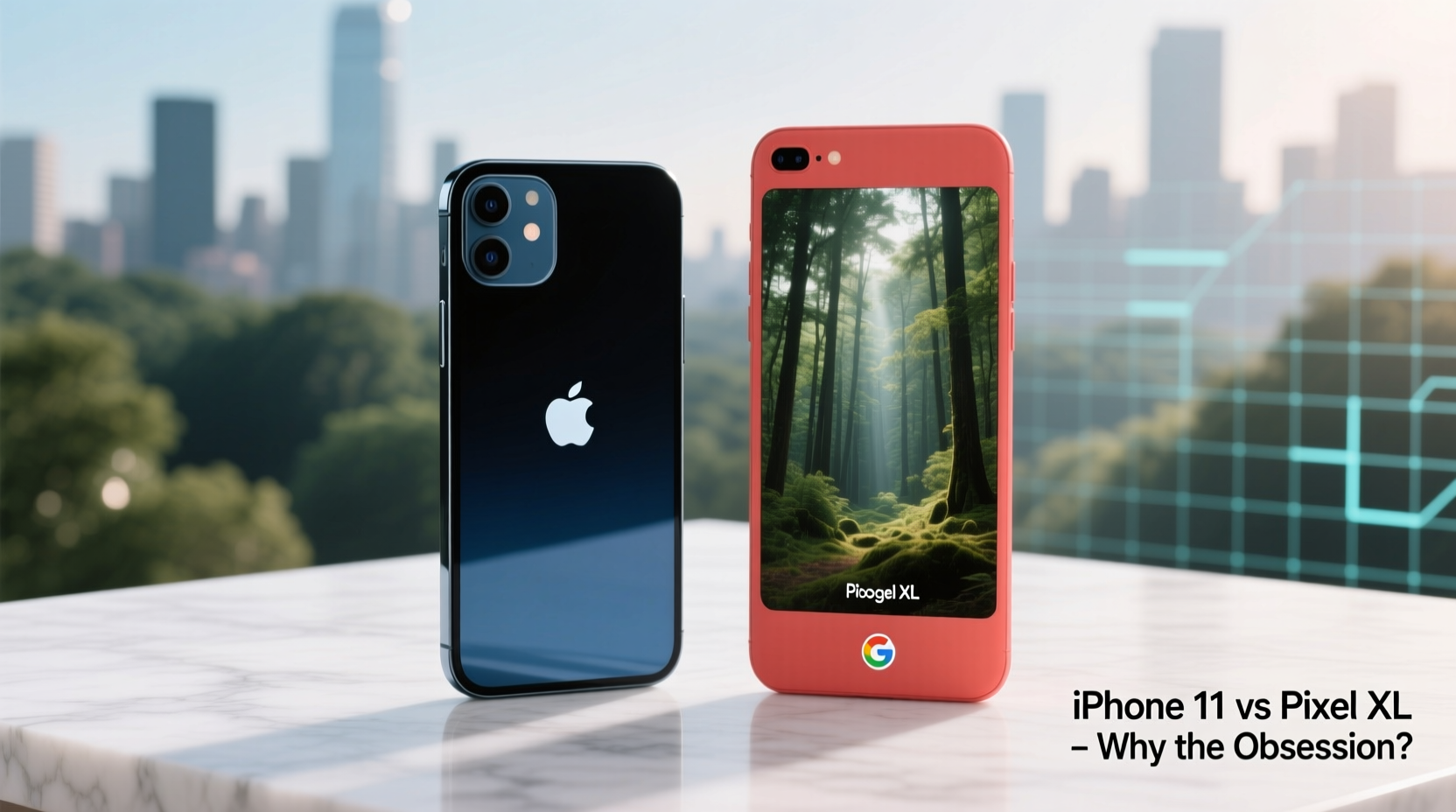
On paper, both phones were strong contenders in their era. The iPhone 11 featured Apple’s A13 Bionic chip, a dual-camera system (wide and ultra-wide), and a 6.1-inch Liquid Retina display. Meanwhile, the Pixel XL (especially the Pixel 4 XL) had a Snapdragon 855, a higher-resolution OLED screen, and a single rear camera that outperformed most competitors thanks to Google’s AI-powered photography.
Yet, benchmarks don’t tell the full story. The iPhone 11’s build quality, color options, and consistent software optimization gave it broader appeal. Apple also prioritized battery life and durability over thinness—a decision many users appreciated.
“People don’t buy smartphones based on spec sheets. They buy them based on how they make them feel—and how they fit into their lives.” — David Kim, Mobile Industry Analyst at TechInsight Group
Ecosystem Lock-In: The Invisible Chain
One of the biggest reasons for iPhone dominance is Apple’s tightly integrated ecosystem. If you own a Mac, iPad, Apple Watch, or AirPods, switching to Android becomes more than an inconvenience—it’s a productivity disruption.
The iPhone 11 was released at a time when Apple’s ecosystem was maturing rapidly. Features like Handoff, AirDrop, iMessage continuity, and iCloud Keychain created seamless transitions between devices. Even something as simple as copying text on your phone and pasting it on your laptop became a powerful selling point.
Google offers similar features—like Smart Lock and Nearby Share—but they lack the polish and reliability of Apple’s implementation. For everyday users, consistency matters more than capability.
| Feature | iPhone 11 (iOS) | Pixel XL (Android) |
|---|---|---|
| Software Updates | 5+ years (iOS 17 supported) | 3 years (security + OS) |
| Cloud Sync (Messages, Notes) | iCloud (end-to-end encrypted) | Google Drive (limited encryption) |
| Cross-Device Integration | Strong (AirDrop, Continuity) | Moderate (Nearby Share, Fast Pair) |
| App Ecosystem | Optimized, curated | Broad, but inconsistent quality |
Resale Value and Longevity: The Hidden ROI
The iPhone 11 continues to command high resale value—often 2–3 times more than a Pixel XL of the same age. This isn’t accidental. Apple designs its devices for long-term use, and iOS updates ensure functionality well beyond typical smartphone lifespans.
As of 2024, the iPhone 11 runs iOS 17, receiving security patches and feature updates five years after launch. In contrast, the Pixel 4 XL stopped receiving major OS updates in 2022. This extended support means users don’t feel pressured to upgrade annually, reinforcing trust in the brand.
This longevity translates to real savings. A user who keeps an iPhone 11 for four years and sells it for $150 has effectively paid far less per year than someone who cycles through Android phones every two years.
Real Example: Sarah’s Upgrade Dilemma
Sarah bought an iPhone 11 in 2019. By 2023, her phone still ran smoothly, received updates, and took excellent photos. She sold it for $180 and upgraded to an iPhone 15. Her total cost over four years: $420 ($600 - $180).
Her friend Mark bought a Pixel 4 XL the same year. By 2021, the phone felt sluggish, and app compatibility became spotty. He replaced it in 2022 with a mid-range Android, then again in 2023. Total spending: $750.
Sarah didn’t just save money—she saved time, stress, and data migration effort. That experience reinforces brand loyalty.
Perception, Status, and Social Proof
Let’s not ignore the psychological factor. The iPhone has become a status symbol. Owning one signals stability, taste, and belonging. Even older models carry this cachet.
In schools, offices, and social circles, iPhones are the default. When everyone around you uses iMessage, group chats split between green and blue bubbles create subtle pressure to conform. Missing out on Memoji, reactions, or shared albums isn’t just technical—it feels social.
Apple also benefits from masterful marketing. While Google focuses on tech enthusiasts, Apple markets lifestyle, emotion, and simplicity. Their ads don’t show camera sensors—they show families laughing, artists creating, and friends connecting.
- The “shot on iPhone” campaign elevated user-generated content into art.
- Face ID and Animoji made technology feel personal and fun.
- Even the notch became iconic—imitated across the industry.
Step-by-Step: How to Choose Between iPhone and Android Today
If you’re caught between ecosystems, follow this practical timeline to make a smarter decision:
- Assess your current devices: Do you use a Mac, iPad, or Apple Watch? If yes, iPhone integration will be smoother.
- Evaluate your app needs: Check if critical apps (banking, work tools, health trackers) perform better on iOS or Android.
- Test messaging habits: Are your closest contacts using iMessage? Frequent green bubbles may lead to frustration.
- Consider long-term costs: Research resale values and update policies for both platforms.
- Try before you buy: Use each OS for a week via loaner devices or family members’ phones.
Frequently Asked Questions
Is the iPhone 11 still worth buying in 2024?
For light users or secondary devices, yes. The iPhone 11 still receives iOS updates, supports modern apps, and delivers solid performance. However, newer models offer better cameras, longer battery life, and improved efficiency. If you find one at a steep discount (<$200), it’s a capable budget option.
Why do people prefer iPhones over Pixels despite better camera specs on Pixel?
While Pixel phones often win camera reviews, real-world usage favors consistency and ease. iPhone photos may not score highest on DxOMark, but they require zero editing, load quickly, and sync instantly across devices. For most users, reliability trumps peak performance.
Can I switch from iPhone to Android without losing everything?
You can transfer contacts, photos, and some data using tools like Google’s “Switch to Android” app. However, iMessage history, certain app data, and ecosystem integrations (like HomeKit or Apple Fitness+) won’t carry over. Plan for a transition period where both devices run side-by-side.
Conclusion: Obsession Built on Experience, Not Just Specs
The iPhone 11 vs Pixel XL debate reveals a fundamental truth: consumer technology decisions are rarely rational. They’re shaped by ecosystem inertia, emotional resonance, and long-term trust.
The iPhone’s staying power isn’t due to any single feature. It’s the sum of thousands of small advantages—consistent updates, seamless syncing, strong resale value, and social normalization—that compound over time. Google built a technically impressive phone, but Apple built a lifestyle.
That’s why, even now, people aren’t just using iPhones—they’re loyal to them.




 浙公网安备
33010002000092号
浙公网安备
33010002000092号 浙B2-20120091-4
Comments
No comments yet. Why don't you start the discussion?