
When Apple released the iPhone 11 in 2019, it arrived as a direct successor to the popular iPhone XR. Both phones share a similar design language and target the mid-tier market, but subtle differences in performance, camera quality, and longevity have sparked ongoing debate: is upgrading from the XR to the 11 truly worthwhile? For users still on the XR—or considering a used model—the answer isn’t always obvious. This breakdown examines every key factor, from processor speed to battery life, to help you make an informed decision based on real-world usage.
Design and Build: More Alike Than Different
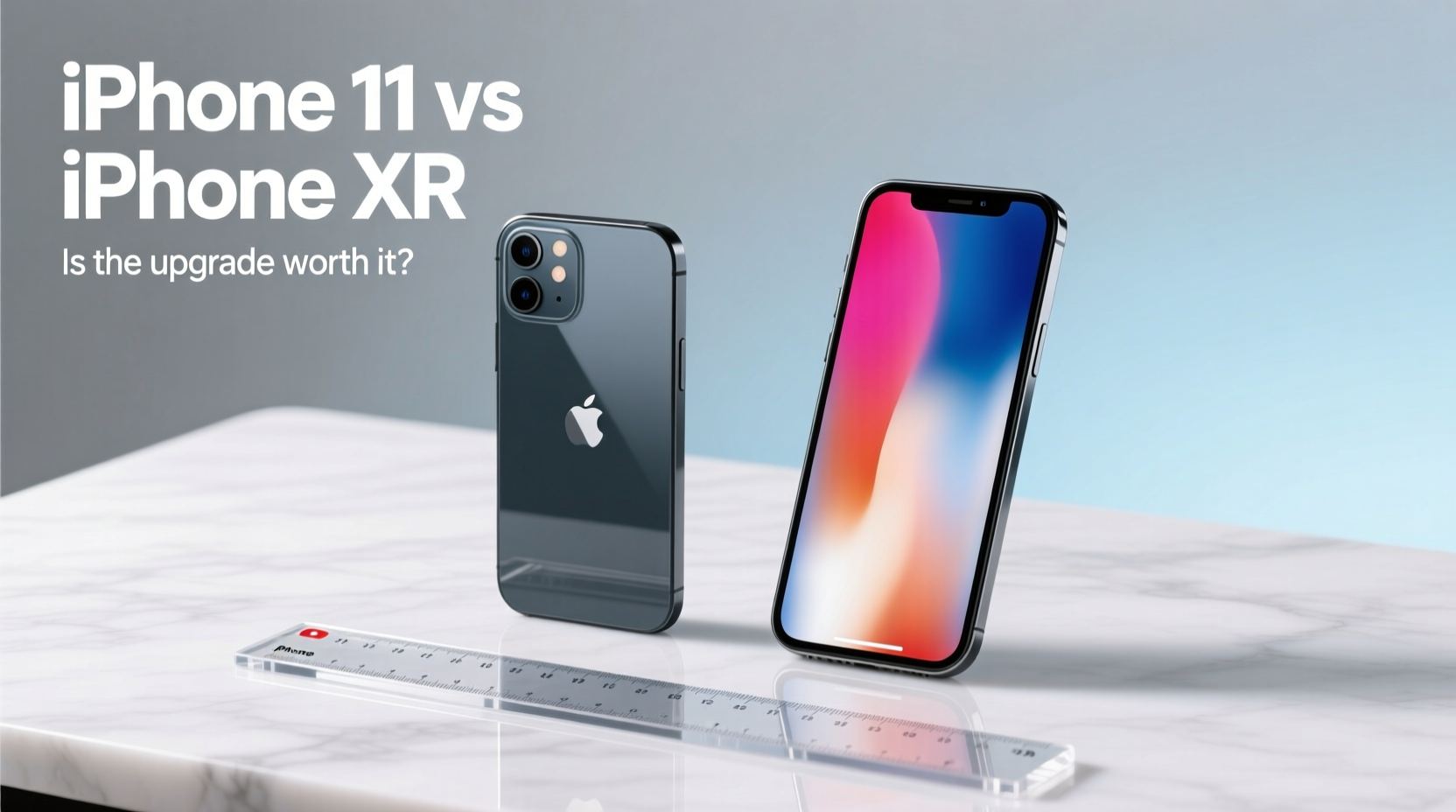
At first glance, the iPhone 11 and iPhone XR are nearly identical. Both feature a 6.1-inch Liquid Retina LCD display, aluminum frame, glass back, and IP67 water resistance. The screen resolution and brightness are also comparable, with only minor improvements in color accuracy and contrast on the 11. The most noticeable difference lies in the rear camera setup: the XR has a single 12MP wide lens, while the 11 adds a second 12MP ultra-wide sensor. This change alters the camera module’s layout, giving the 11 a slightly more modern aesthetic.
Despite these similarities, the shared design means that accessories like cases and screen protectors remain interchangeable. If aesthetics or ergonomics were your primary reason for upgrading, you’ll find little incentive here. The real improvements lie beneath the surface.
Performance: A Noticeable Leap Forward
The most significant upgrade between the two models is the chipset. The iPhone XR runs on the A12 Bionic chip, while the iPhone 11 uses the A13 Bionic—Apple’s fastest processor at the time of its release. Benchmarks show the A13 delivers roughly 20% better CPU performance and up to 30% faster GPU speeds than the A12.
In practical terms, this translates to smoother multitasking, quicker app launches, and better performance in graphics-intensive games. Users upgrading from the XR may notice reduced lag when switching between apps or editing photos. More importantly, the A13 ensures longer software support. While both devices received iOS 17, the 11 is more likely to remain compatible with future iOS updates due to its superior processing headroom.
“Even small performance gains matter when they extend a device’s usable lifespan by a year or more.” — David Lin, Mobile Hardware Analyst at TechPulse
Camera Comparison: Two Lenses Make a Difference
The dual-camera system on the iPhone 11 opens up creative possibilities the XR simply can’t match. The addition of a 12MP ultra-wide lens (f/2.4, 120° field of view) allows for dramatic landscape shots, architectural photography, and tighter group photos without stepping back.
Both phones retain the same 12MP main sensor (f/1.8), True Tone flash, and Smart HDR, so daylight photos are nearly indistinguishable. However, the 11 introduces Night Mode, which automatically activates in low light to produce brighter, clearer images with less noise. The XR lacks this feature entirely, making it less capable in dim environments.
Video recording also sees an upgrade. The 11 supports extended dynamic range up to 60 fps (vs. 30 fps on the XR) and improved audio zoom, enhancing vlogging and action footage.
Camera Feature Breakdown
| Feature | iPhone XR | iPhone 11 |
|---|---|---|
| Rear Cameras | 1 (Wide) | 2 (Wide + Ultra-Wide) |
| Night Mode | No | Yes |
| Smart HDR | Yes | Improved version |
| Front Camera | 7MP, f/2.2 | 12MP, f/2.2, 4K video |
| Slofies (slow-mo selfie) | No | Yes |
Battery Life and Charging: Incremental Gains
Battery performance is another area where the 11 pulls ahead, albeit modestly. Apple rated the 11 for one additional hour of internet use and video playback compared to the XR. Real-world testing confirms this—most users report about 5–10% longer battery life under mixed usage.
Both phones support 18W fast charging (with compatible adapter, sold separately) and Qi wireless charging. However, the 11 comes boxed with a slightly faster 18W charger in some regions, while the XR included only a 5W adapter. This means quicker top-ups if you keep the original packaging.
For heavy users, the difference may justify the upgrade. But for casual users who charge nightly, the gap is unlikely to be transformative.
Real-World Example: Sarah’s Upgrade Decision
Sarah had used her iPhone XR since 2018. By late 2022, she noticed apps taking longer to load, occasional stutters in Instagram Reels, and frustration with blurry night photos during family events. She considered upgrading but hesitated due to cost.
After testing the iPhone 11 at a store, she was struck by how smoothly the camera switched between lenses and how quickly the weather app opened. The Night Mode preview of a dimly lit restaurant showed clear detail—something her XR consistently failed at. She decided to trade in her XR and upgrade.
Six months later, she reported not only better photo quality but also confidence that her phone would remain supported through 2025. For her, the $150 price difference (after trade-in) was justified by performance, camera, and longevity.
Is the Upgrade Worth It? A Step-by-Step Evaluation
Before deciding, assess your current needs and usage patterns. Follow this timeline to determine whether the iPhone 11 is a smart move:
- Month 1: Monitor your iPhone XR’s performance. Note any app crashes, slow launches, or overheating.
- Week 2: Test your camera in low light. Take a photo indoors without flash. Is it usable?
- Week 3: Check battery health in Settings > Battery > Battery Health. If maximum capacity is below 80%, degradation is affecting performance.
- Final Decision Point: If you answer “yes” to two or more of the following, consider upgrading:
- You want better low-light photos.
- Your phone feels sluggish during daily tasks.
- You plan to keep your device for 2+ more years.
Frequently Asked Questions
Can the iPhone XR still run the latest iOS updates?
Yes, the iPhone XR supports up to iOS 17. However, future versions may drop support, especially as Apple shifts focus to newer chips. The iPhone 11, with its A13 chip, is more likely to receive iOS 18.
Is the ultra-wide camera necessary?
It depends on your photography habits. If you often shoot landscapes, real estate, or tight indoor spaces, the ultra-wide lens adds flexibility. Casual shooters may rarely use it.
How much does it cost to upgrade today?
As of 2024, unlocked used iPhone 11 models range from $180–$250, depending on storage and condition. Refurbished units from Apple start around $299. The XR sells for $100–$160. The price gap has narrowed significantly.
Final Verdict: Who Should Upgrade?
The iPhone 11 is objectively better than the XR—but that doesn’t mean everyone should upgrade. The improvements are meaningful but incremental. If you’re on an older iPhone like the 7 or 8, jumping to either model is a major leap. But moving from XR to 11 is more about refinement than revolution.
Users who value photography, want longer software support, or notice performance lags will benefit most. Those satisfied with their XR’s speed and photo quality—and who don’t mind retiring the phone sooner—can save money by staying put.
Ultimately, the decision hinges on longevity. The iPhone 11 isn’t just a better camera or faster chip; it’s a device built to last deeper into the 2020s. If you plan to hold onto your phone for three years or more, the upgrade pays for itself in sustained usability.




 浙公网安备
33010002000092号
浙公网安备
33010002000092号 浙B2-20120091-4
Comments
No comments yet. Why don't you start the discussion?