
When Apple released the iPhone 11 in 2019, it arrived just one year after the iPhone XR — a device that had already redefined what an affordable flagship could be. For owners of the XR, the question became immediate: is upgrading to the iPhone 11 actually worthwhile? With similar designs, overlapping features, and only a modest price gap, the decision isn’t as straightforward as jumping from older models like the iPhone 8 or 7. The real answer depends on what you value most in a smartphone: camera quality, processing speed, battery life, or simply cost efficiency.
The iPhone XR was praised for delivering core iPhone experiences at a lower price point. It offered Face ID, a solid single-lens camera, and the powerful A12 Bionic chip. The iPhone 11, while visually nearly identical, brought notable upgrades under the hood — including the faster A13 Bionic, a second ultra-wide camera lens, improved battery efficiency, and better display brightness. But do these enhancements justify the upgrade for someone already using an iPhone XR?
Design and Display: Subtle Differences, Same Feel
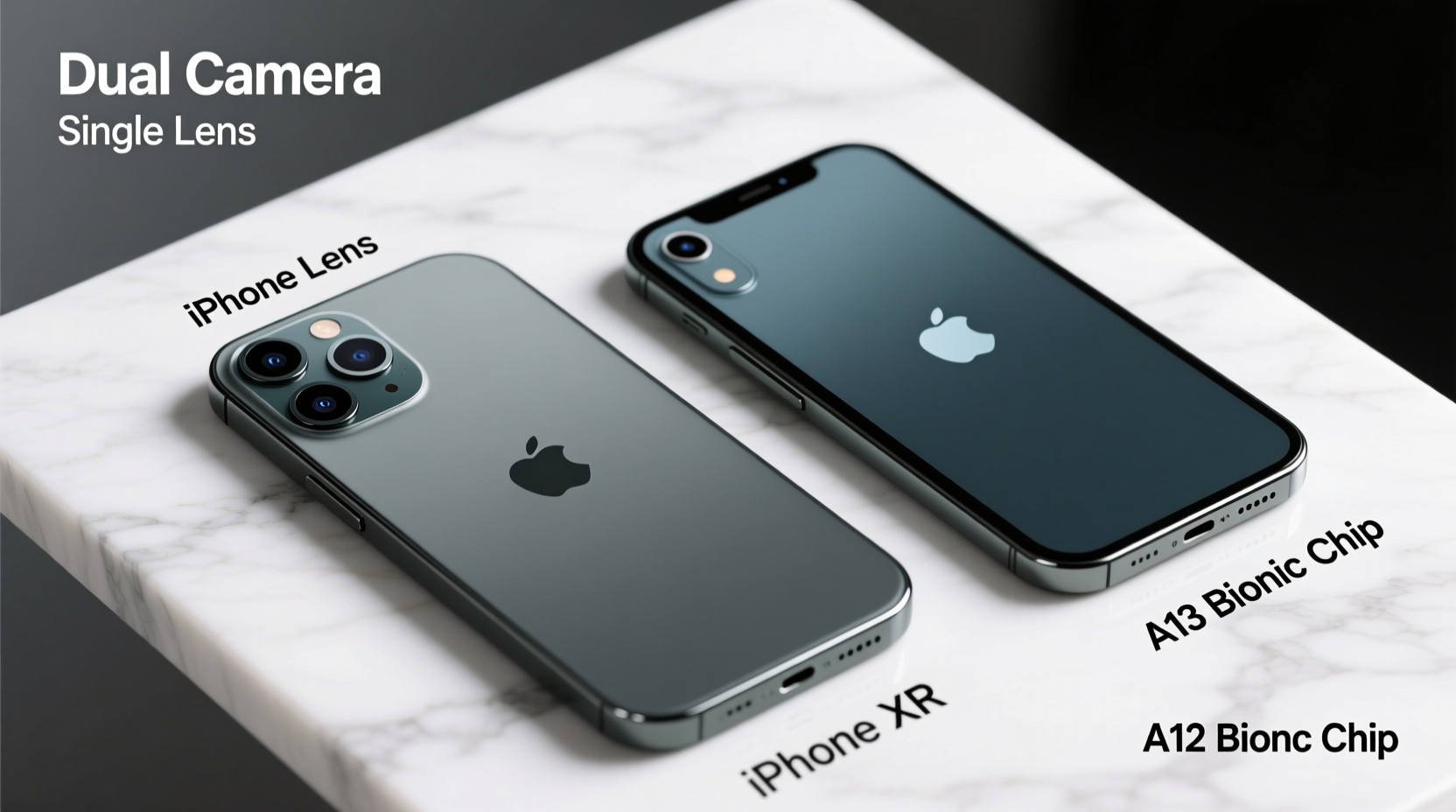
At first glance, the iPhone 11 and XR are almost indistinguishable. Both feature a 6.1-inch Liquid Retina LCD display with similar bezel thickness, aluminum frame, and glass back. They share the same overall dimensions and weight, making them equally comfortable to hold and use one-handed. However, there are minor but meaningful differences.
The iPhone 11’s display has a peak brightness of 625 nits compared to the XR’s 543 nits, resulting in slightly better visibility in direct sunlight. While both screens use LCD technology (not OLED), the 11 benefits from improved color calibration and contrast ratios due to advancements in Apple’s display tuning. Neither phone has a high refresh rate, so scrolling feels identical across both devices.
Another subtle improvement is durability. The iPhone 11 features slightly better water resistance (IP68 rated up to 2 meters for 30 minutes) versus the XR’s IP67 (1 meter for 30 minutes). This might matter if you frequently use your phone near water or in wet environments.
Performance: A Noticeable Leap in Speed
The biggest internal upgrade lies in the chipset. The iPhone 11 runs on Apple’s A13 Bionic chip, while the XR uses the A12. Though both processors remain capable of handling everyday tasks smoothly, the A13 offers about 20% better CPU performance and up to 30% better GPU performance.
In practical terms, this means faster app launches, smoother multitasking, and better longevity when future iOS updates demand more resources. Games with heavy graphics run more fluidly on the 11, and machine learning tasks — such as photo recognition and augmented reality apps — benefit significantly from the upgraded Neural Engine.
“Even small generational improvements in Apple’s chips translate into years of extended usability.” — David Kim, Mobile Hardware Analyst at TechInsight Group
If you plan to keep your phone for three or more years, the A13 gives you a stronger foundation for staying current with software updates and new app requirements.
Camera System: Where the iPhone 11 Truly Shines
This is the area where the iPhone 11 pulls ahead decisively. The XR features a single 12MP wide-angle rear camera with f/1.8 aperture, capable of excellent photos in good lighting but limited in versatility. The iPhone 11 adds a second 12MP ultra-wide lens (f/2.4, 120° field of view), which dramatically expands creative options.
Suddenly, you can capture sweeping landscapes, tight interior spaces, or dynamic action shots without stepping back. The ultra-wide lens doesn’t match the main sensor in low-light performance, but its inclusion alone makes the 11 feel like a more modern smartphone.
Additionally, the iPhone 11 introduces Night Mode — an automatic low-light enhancement feature that brightens dark scenes while preserving detail and color. The XR lacks this entirely, relying on standard exposure settings that often result in blurry or underexposed night photos.
Front cameras also differ. The 11’s TrueDepth selfie camera captures 4K video (up from 1080p on the XR) and supports QuickTake video recording by holding the shutter button — a small but useful addition for casual videographers.
| Feature | iPhone 11 | iPhone XR |
|---|---|---|
| Rear Cameras | Dual: 12MP Wide + 12MP Ultra-Wide | Single: 12MP Wide |
| Night Mode | Yes | No |
| Front Video Recording | 4K at 60fps | 1080p at 60fps |
| QuickTake Video | Yes | No |
| Smart HDR | Improved version | Standard Smart HDR |
Battery Life and Charging: Incremental Gains
Battery life improves on the iPhone 11, though not drastically. Apple lists the 11 as offering “one hour longer” than the XR during typical usage. Real-world tests confirm this: the 11 lasts around 17–18 hours of mixed use, compared to 16–17 for the XR.
Both phones support fast charging (up to 50% in 30 minutes with an 18W adapter or higher), but neither includes the fast charger in the box. They also support Qi wireless charging, which remains unchanged between models.
If you're someone who regularly runs out of battery by late afternoon on the XR, the extra hour may provide welcome relief. But if you already make it through the day comfortably, this improvement alone likely won’t sway your decision.
Real-World Example: Sarah’s Upgrade Dilemma
Sarah has used her iPhone XR since 2018. She takes occasional photos, mostly of her dog and weekend hikes, edits them lightly in Instagram, and streams music during commutes. Her XR still performs well, but she noticed newer iPhones taking sharper night shots at concerts and festivals.
After testing a friend’s iPhone 11, she realized the ultra-wide camera would let her capture full group shots without awkward cropping. Night Mode impressed her during a dimly lit dinner outing. While her XR wasn’t slowing down, the camera leap made the upgrade feel justified — especially knowing she’d likely keep the new phone for another four years.
For users like Sarah, whose habits center around photography and long-term ownership, the iPhone 11 offers tangible benefits beyond raw specs.
Is the Upgrade Worth It? A Practical Checklist
Before deciding, consider the following checklist to determine whether moving from iPhone XR to iPhone 11 makes sense for you:
- ✅ Do you frequently take photos in low light? → iPhone 11 adds Night Mode
- ✅ Are you frustrated by not having a second lens for wider shots? → Ultra-wide camera available only on 11
- ✅ Do you want your phone to stay performant through iOS 18 or later? → A13 chip offers better longevity
- ✅ Is your XR showing signs of slowdown or battery degradation? → Upgrade makes sense regardless of model
- ❌ Are you happy with your current camera and performance? → Stick with XR; savings outweigh gains
Frequently Asked Questions
Can the iPhone XR get all the latest iOS updates?
Yes. Both the iPhone XR and iPhone 11 support iOS 17 and are expected to receive iOS 18. Their hardware is nearly equivalent in update eligibility, though the 11 may edge out the XR by one cycle due to the newer chip.
Does the iPhone 11 camera automatically switch between lenses?
Yes. When using the Camera app, the system automatically defaults to the wide lens but lets you tap the “0.5x” button to switch to ultra-wide. In some cases, both views are previewed simultaneously in iOS 16 and later.
Is the screen on the iPhone 11 better for outdoor use?
Moderately. The increased brightness (625 nits vs. 543 nits) helps visibility in sunlight, but because both are LCDs, they lack the deep blacks and contrast of OLED displays found in Pro models.
Final Verdict: Who Should Upgrade?
The upgrade from iPhone XR to iPhone 11 isn’t essential, but it is valuable — particularly for photography enthusiasts, social media creators, or anyone planning to keep their device for four or more years. The dual-camera system, Night Mode, and A13 chip represent meaningful progress over the XR’s capabilities.
However, if your XR is still performing well and you don’t prioritize advanced camera features, the upgrade may feel underwhelming. In that case, consider saving your money or skipping ahead to a more significant leap, such as the iPhone 14 or 15 series, where larger improvements in processing, display, and connectivity await.
Technology moves fast, but smart upgrades move with purpose. Evaluate your actual needs, not just the allure of newness.




 浙公网安备
33010002000092号
浙公网安备
33010002000092号 浙B2-20120091-4
Comments
No comments yet. Why don't you start the discussion?