
When Apple launched the iPhone 12 mini, it reignited interest in compact smartphones—a niche many thought had vanished. Around the same time, Samsung’s Galaxy S20 FE offered a larger, feature-packed alternative at a competitive price. Both devices arrived with strong marketing, loyal followings, and distinct philosophies. But for consumers weighing practicality against prestige, the question remains: Is the iPhone 12 mini’s premium appeal enough to justify its reputation, or does the Galaxy S20 FE deliver better real-world value?
This isn’t just about specs on paper. It’s about daily usability, longevity, ecosystem integration, and whether brand loyalty translates into tangible benefits. Let’s break down both phones across key categories to see which truly earns its hype.
Design and Build: Small Size vs. Bold Presence
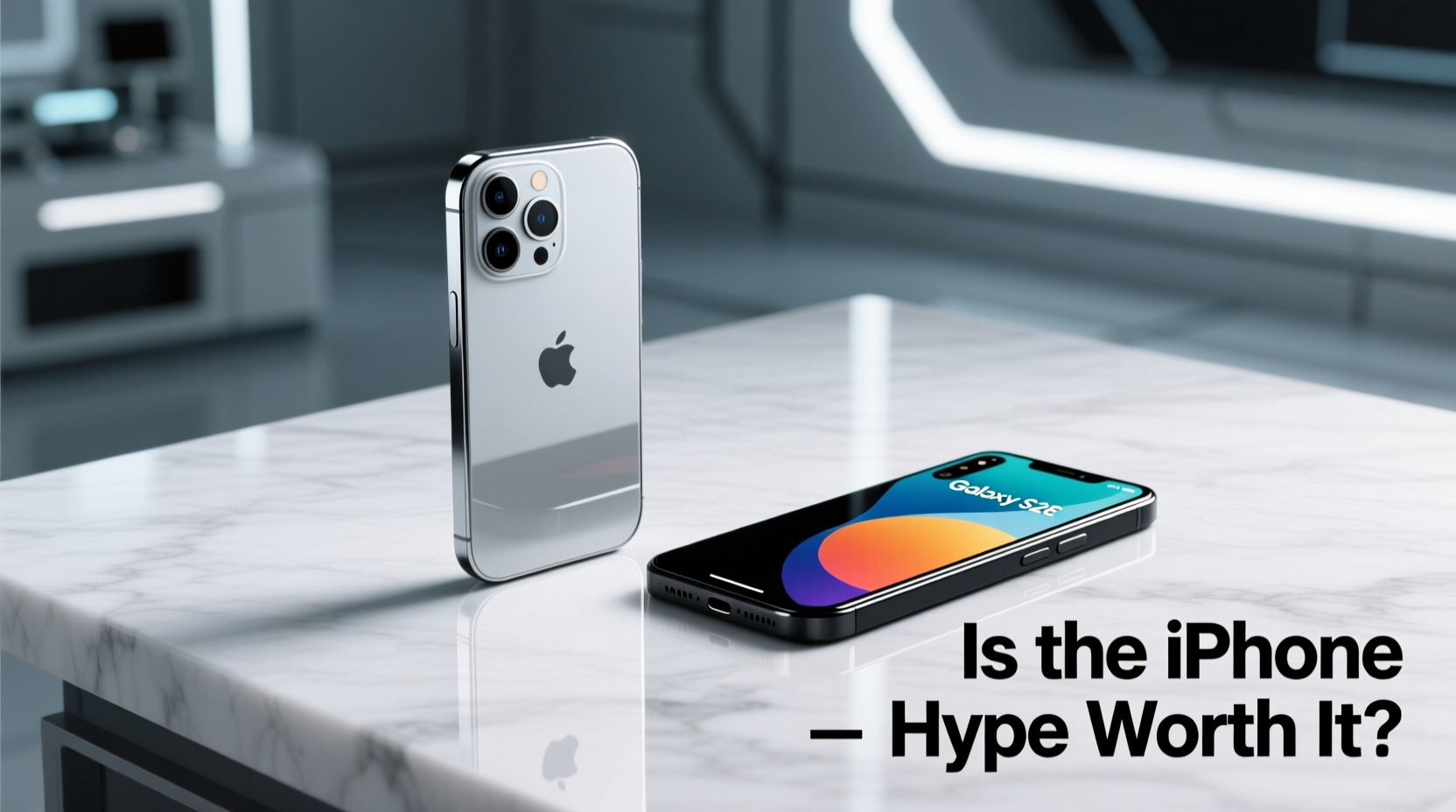
The iPhone 12 mini stands out for one reason above all: size. At 5.18 inches tall and 4.79 ounces, it fits comfortably in one hand—rare in today’s smartphone market. Its flat aluminum edges and Ceramic Shield front give it a minimalist, premium feel. The device feels dense and solid, not lightweight in a flimsy way, but compact by design.
In contrast, the Galaxy S20 FE is a 6.5-inch phone that embraces the modern trend of large displays. It weighs 6.35 ounces and uses a plastic back (Glasstic), which keeps costs down but lacks the refined touch of glass or metal. However, Samsung offers vibrant color options and IP68 water resistance—something the iPhone 12 mini also has, making both equally durable in wet conditions.
Display and Visual Experience
The iPhone 12 mini features a 5.4-inch Super Retina XDR OLED display with a resolution of 2340 x 1080. While smaller, the panel delivers deep blacks, accurate colors, and excellent brightness—typical of Apple’s display standards. It doesn’t support high refresh rates, topping out at 60Hz.
The Galaxy S20 FE, meanwhile, boasts a 6.5-inch Dynamic AMOLED 2X display with a 120Hz refresh rate. This makes scrolling, gaming, and animations noticeably smoother. Its resolution is slightly lower per inch (1080 x 2400), but the difference is negligible to most eyes. The higher refresh rate gives it a more fluid feel, especially when switching between apps or browsing social media.
For visual fidelity, Apple maintains tight color calibration, ideal for creatives. Samsung leans toward vibrancy, appealing to casual users who enjoy punchy visuals. Neither screen disappoints, but their strengths cater to different preferences.
Performance and Software Longevity
Under the hood, the iPhone 12 mini runs on Apple’s A14 Bionic chip—the first 5nm processor in a smartphone at its release. Even years later, it handles multitasking, gaming, and iOS updates with ease. Paired with iOS, the experience is snappy and consistent. Apps launch quickly, background processes are managed efficiently, and system-wide optimization reduces lag over time.
The Galaxy S20 FE uses either the Snapdragon 865 or Exynos 990, depending on region. Both are powerful chips for their era, capable of handling demanding tasks. However, Android’s fragmentation and Samsung’s software layer (One UI) can introduce occasional stutters or delays, particularly as the device ages.
“iOS updates often extend a device’s usable life by 3–4 years, while mid-tier Android phones rarely get more than two major OS upgrades.” — David Lin, Mobile Analyst at TechPulse Insights
Apple guarantees five years of iOS updates for the iPhone 12 mini. Samsung promises four years of OS updates and five years of security patches for the S20 FE—solid by Android standards, but still slightly behind Apple’s track record for long-term support.
Camera Comparison: Consistency vs. Versatility
The iPhone 12 mini packs a dual-camera system: 12MP main and 12MP ultrawide. Apple focuses on computational photography, delivering balanced exposure, natural skin tones, and excellent dynamic range. Night mode works well on both lenses, and video recording supports Dolby Vision HDR—unmatched in its class.
The Galaxy S20 FE features a triple setup: 12MP main, 8MP telephoto (3x hybrid zoom), and 12MP ultrawide. It offers more flexibility with zoom and scene modes. Samsung’s AI enhancements boost colors and contrast, sometimes at the expense of realism. Low-light performance is good, but not quite on par with the iPhone’s consistency.
| Feature | iPhone 12 Mini | Galaxy S20 FE |
|---|---|---|
| Main Camera | 12MP f/1.6 | 12MP f/1.8 |
| Ultrawide | 12MP f/2.4 | 12MP f/2.2 |
| Telephoto | None | 8MP f/2.4 (3x) |
| Front Camera | 12MP f/2.2 | 32MP f/2.2 |
| Video Recording | Dolby Vision HDR up to 4K/60fps | 4K/60fps, no HDR video |
If you prioritize reliable point-and-shoot results and professional-grade video, the iPhone wins. If you want zoom capability and higher-resolution selfies, the S20 FE has the edge.
Battery Life and Charging: The Trade-Off of Size
Here, the iPhone 12 mini faces its biggest challenge. Its small body houses a 2,227mAh battery—among the smallest in flagship-tier phones. In real-world use, it lasts about 10–12 hours with moderate usage. Heavy users may need a midday charge.
The Galaxy S20 FE, with its 4,500mAh battery, easily lasts a full day and often stretches into a second. Even with the 120Hz display enabled, it outperforms the mini significantly. Both support fast charging (20W for iPhone, 25W for S20 FE), but neither includes a charger in the box.
Value and Ecosystem: Beyond the Hardware
The Galaxy S20 FE launched at $699, positioning itself as a “fan edition” with flagship features at a lower cost. The iPhone 12 mini debuted at $699 as well, but delivers less battery, no telephoto lens, and no high-refresh display. On paper, that seems like weaker value.
However, Apple’s ecosystem adds intangible benefits. Seamless integration with Macs, iPads, AirPods, and Apple Watch enhances productivity and convenience. Features like AirDrop, Universal Clipboard, and Handoff work effortlessly. iCloud syncs photos, messages, and settings across devices. For users already invested in Apple’s world, switching isn’t just inconvenient—it’s disruptive.
Samsung offers its own ecosystem (Galaxy Buds, Watches, Tablets), but it’s less tightly integrated. Smart Switch helps transfer data, but continuity features like Samsung DeX or Link to Windows aren’t as universally adopted.
Mini Case Study: Two Users, Two Choices
Consider Sarah, a freelance photographer who uses her phone for quick edits, client communication, and capturing behind-the-scenes footage. She owns a MacBook and iPad. She chose the iPhone 12 mini because she can shoot Dolby Vision video, instantly import clips via AirDrop, and edit them on her Mac without transcoding issues. Despite the short battery life, the workflow efficiency justifies the trade-off.
On the other hand, James, a college student, wanted a phone for streaming, gaming, and social media. He picked the Galaxy S20 FE for its large screen, longer battery, and lower price. He appreciates the 120Hz display for smoother TikTok scrolling and the extra zoom for distant whiteboard shots in lectures. For him, the iPhone’s compact size felt too limiting.
Frequently Asked Questions
Is the iPhone 12 mini still worth buying in 2024?
Yes, if you value compact size, iOS longevity, and seamless Apple ecosystem integration. However, consider the limited battery life and lack of high-refresh display. It’s best suited for light to moderate users.
Does the Galaxy S20 FE support 5G?
Yes, both the Snapdragon and Exynos versions of the S20 FE include 5G support, though speeds vary based on carrier and network band compatibility.
Which phone has better resale value?
The iPhone 12 mini typically holds its value better due to Apple’s strong resale market and longer software support. After two years, expect to recover 40–50% of the original price, compared to 30–40% for the S20 FE.
Conclusion: Is the Hype Worth It?
The iPhone 12 mini’s hype stems from rarity—a true flagship in a shrinking form factor. For those tired of phablets, it’s a breath of fresh air. But hype doesn’t always equal practical superiority. The Galaxy S20 FE offers more screen, better battery, smoother performance, and greater versatility—for the same initial price.
Ultimately, the answer depends on your priorities. If you value ecosystem cohesion, build quality, and long-term software support, the iPhone 12 mini lives up to its reputation. But if you want the most phone for your money—larger display, longer endurance, and richer features—the S20 FE delivers better overall value.




 浙公网安备
33010002000092号
浙公网安备
33010002000092号 浙B2-20120091-4
Comments
No comments yet. Why don't you start the discussion?