
The iPhone XS was a flagship device in 2018, praised for its design, performance, and camera quality. Fast forward to 2020, and Apple introduced the iPhone 12 mini — a compact powerhouse with modern features wrapped in a nostalgic size. For owners of the iPhone XS considering an upgrade, the question isn’t just about specs — it’s about value, longevity, and whether the improvements translate into meaningful daily benefits.
This comparison dives deep into both phones across key areas: performance, battery life, camera, software support, and real-world usability. The goal isn’t to crown a winner outright, but to help you decide if upgrading from the XS to the 12 mini makes practical sense — or if your current phone still has life left in it.
Design and Build: Familiar Form, Modern Materials
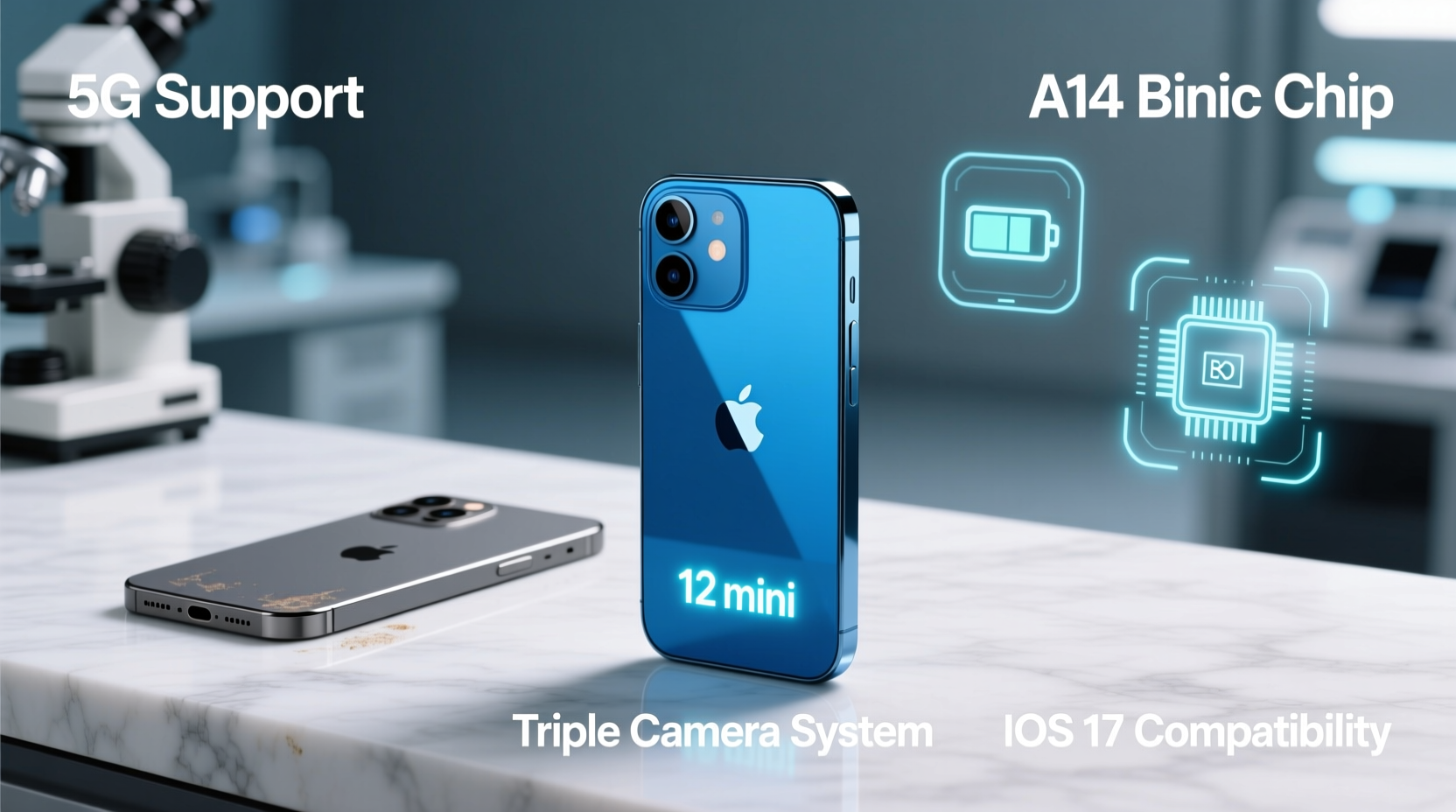
Both phones share a similar footprint — compact, lightweight, and easy to handle with one hand. The iPhone XS measures 143.6 x 70.9 x 7.7 mm and weighs 177 grams, while the iPhone 12 mini is slightly shorter at 131.5 x 64.2 x 7.4 mm and lighter at 135 grams. Despite being newer, the 12 mini feels more substantial thanks to its flat-edge aerospace-grade aluminum frame and Ceramic Shield front cover.
The XS uses surgical-grade stainless steel and glass, which gives it a premium feel, but also makes it more prone to scratches and heavier in the pocket. The 12 mini’s flatter design improves grip and modernizes the aesthetic, reminiscent of the iPhone 5 era but with sharper edges and better durability.
Performance: A Generational Leap in Speed
Under the hood, the difference is stark. The iPhone XS runs on the A12 Bionic chip, which was excellent in 2018 and still handles basic tasks well today. However, the iPhone 12 mini comes equipped with the A14 Bionic — Apple’s first 5nm chip, offering up to 50% faster CPU performance and 60% faster GPU performance compared to the A12.
In real terms, this means smoother multitasking, quicker app launches, better gaming performance, and improved efficiency. Apps like Instagram, Safari, and even demanding titles like Genshin Impact run noticeably snappier on the 12 mini. More importantly, the A14 ensures longer software relevance. Apple typically supports iPhones for five to six years with iOS updates, and the 12 mini will likely receive updates until 2027 or beyond — two years longer than the XS, which stopped receiving major updates after iOS 16.
“Hardware determines how long a phone lasts, but software support defines its useful lifespan.” — David Ng, Mobile Analyst at TechPulse Weekly
Display and Connectivity
The iPhone XS features a 5.8-inch Super Retina OLED display with a resolution of 2436 x 1125 pixels. It remains sharp and vibrant, though limited to 60Hz refresh rate. The 12 mini matches that same pixel density on a slightly smaller 5.4-inch OLED panel but adds crucial upgrades: brighter peak brightness (up to 1200 nits HDR), better color accuracy, and support for Dolby Vision playback.
More importantly, the 12 mini includes 5G connectivity — a future-proof addition. While 5G may not be essential today for everyone, especially with spotty coverage and higher battery drain, having access expands your network options and ensures compatibility with evolving carrier standards. The XS is limited to LTE, which will remain functional but increasingly outdated as networks phase out older technologies.
Camera Comparison: Evolution Over Revolution
On paper, both devices have dual 12MP rear cameras — wide and telephoto — but the 12 mini brings computational photography advancements that make a tangible difference.
- Night Mode: Available on all lenses (including front), automatically activates in low light.
- Deep Fusion: Enhances texture and detail in mid-to-low light photos.
- Smart HDR 3: Better dynamic range and color tone mapping.
- Dolby Vision video recording: Up to 4K at 30fps — unmatched in the XS.
In side-by-side shots, the 12 mini produces more balanced exposures, richer shadows, and crisper details, especially in challenging lighting. The ultra-wide lens (absent on the XS) opens creative possibilities for landscapes and group shots.
For casual photographers, the XS still takes very good photos in daylight. But the 12 mini's consistency across conditions and advanced processing offer a clear step up.
Battery Life: Small Size, Smaller Capacity
This is where the 12 mini faces criticism. Despite its modern efficiency, the tiny 2,227 mAh battery struggles to match the XS’s 2,658 mAh cell in endurance. In practice, the 12 mini lasts around 12–14 hours with moderate use, while the XS can stretch to 16–18 hours under similar conditions.
However, the A14’s power efficiency partially offsets the smaller capacity. Web browsing and video playback times are closer than expected. Still, heavy users may find themselves charging the 12 mini by late afternoon.
Detailed Feature Comparison
| Feature | iPhone XS | iPhone 12 mini |
|---|---|---|
| Release Year | 2018 | 2020 |
| Chipset | A12 Bionic | A14 Bionic |
| RAM | 4GB | 4GB |
| Rear Cameras | 12MP Wide + 12MP Telephoto | 12MP Wide + 12MP Ultra-Wide |
| Front Camera | 7MP | 12MP |
| Display | 5.8\" OLED, 60Hz | 5.4\" OLED, 60Hz, Ceramic Shield |
| Battery (typical use) | Up to 18 hours video playback | Up to 15 hours video playback |
| Charging | Fast charging (18W optional), Qi wireless | Fast charging (20W), MagSafe, Qi wireless |
| Network | LTE | 5G (mmWave & Sub-6GHz) |
| iOS Support (estimated end) | 2024 (iOS 17 final) | 2027+ |
Real-World Example: Sarah’s Upgrade Dilemma
Sarah has used her iPhone XS since 2019. She loves the size and camera but recently noticed apps taking longer to load, occasional crashes in Safari, and iOS updates slowing down her device. After researching, she considered the 12 mini for its compact form and modern internals.
She tested one in-store and found the camera significantly better in dim lighting at her daughter’s indoor soccer games. The phone felt faster navigating photo libraries and switching between messaging apps. However, she was disappointed by the battery — needing a top-up during a full day at work and school events.
In the end, Sarah upgraded because the long-term software support and performance gains outweighed the shorter battery life. She now uses a small portable charger, which mitigates the issue.
Checklist: Should You Upgrade?
Use this checklist to evaluate your personal needs:
- Is your iPhone XS experiencing slowdowns or app instability?
- Do you want access to the latest iOS features (e.g., Safety Check, StandBy, richer widgets)?
- Are you interested in 5G for faster downloads or future-proofing?
- Do you take photos in low light or record videos regularly?
- Can you accept slightly shorter battery life for a faster, more modern phone?
- Are you comfortable paying $400–$500 for a used or refurbished 12 mini?
If you answered “yes” to three or more, upgrading is likely worthwhile.
Frequently Asked Questions
Will the iPhone XS still work well in 2024?
Yes, for basic tasks like calling, texting, email, and light social media. However, iOS 17 is the last major update, and some newer apps may begin to lag or drop support. Performance degradation is common in aging devices.
Is the iPhone 12 mini camera better than the XS?
Yes, especially in low light and with video. The addition of Night mode, Deep Fusion, Smart HDR 3, and Dolby Vision recording gives the 12 mini a clear edge in image processing and versatility.
Can I expect good battery life from the 12 mini?
Moderate users will get through a full day. Heavy users — especially those using 5G or streaming often — should plan for a midday charge. Using Low Power Mode and disabling background refresh helps extend usage.
Final Verdict: To Upgrade or Not?
The iPhone XS remains a capable device for users with modest needs. If you’re satisfied with its speed, don’t mind missing new iOS features, and aren’t frustrated by battery or performance issues, holding onto it is perfectly reasonable — especially if you're budget-conscious.
But if you value speed, future software support, better cameras, and 5G connectivity, the iPhone 12 mini delivers meaningful improvements despite its smaller battery. It’s one of the last truly compact iPhones Apple has made, making it ideal for users who dislike large phones.
Ultimately, upgrading is less about necessity and more about experience. The 12 mini doesn’t reinvent the smartphone, but it refines it with modern capabilities that enhance daily use — particularly for those stepping up from a three-year-old device.




 浙公网安备
33010002000092号
浙公网安备
33010002000092号 浙B2-20120091-4
Comments
No comments yet. Why don't you start the discussion?