
When Apple launched the iPhone 12 lineup, it introduced a new tiered Pro experience with the iPhone 12 Pro and iPhone 12 Pro Max. Both devices share the same core technology—A14 Bionic chip, triple-camera system, flat-edge design, and Ceramic Shield front cover—but differ in key areas that affect daily use. The Pro Max costs more, so the question remains: does the upgrade justify the price difference? For users deciding between these two premium models, understanding the tangible benefits of the larger device is essential.
Size and Usability: More Than Just Inches
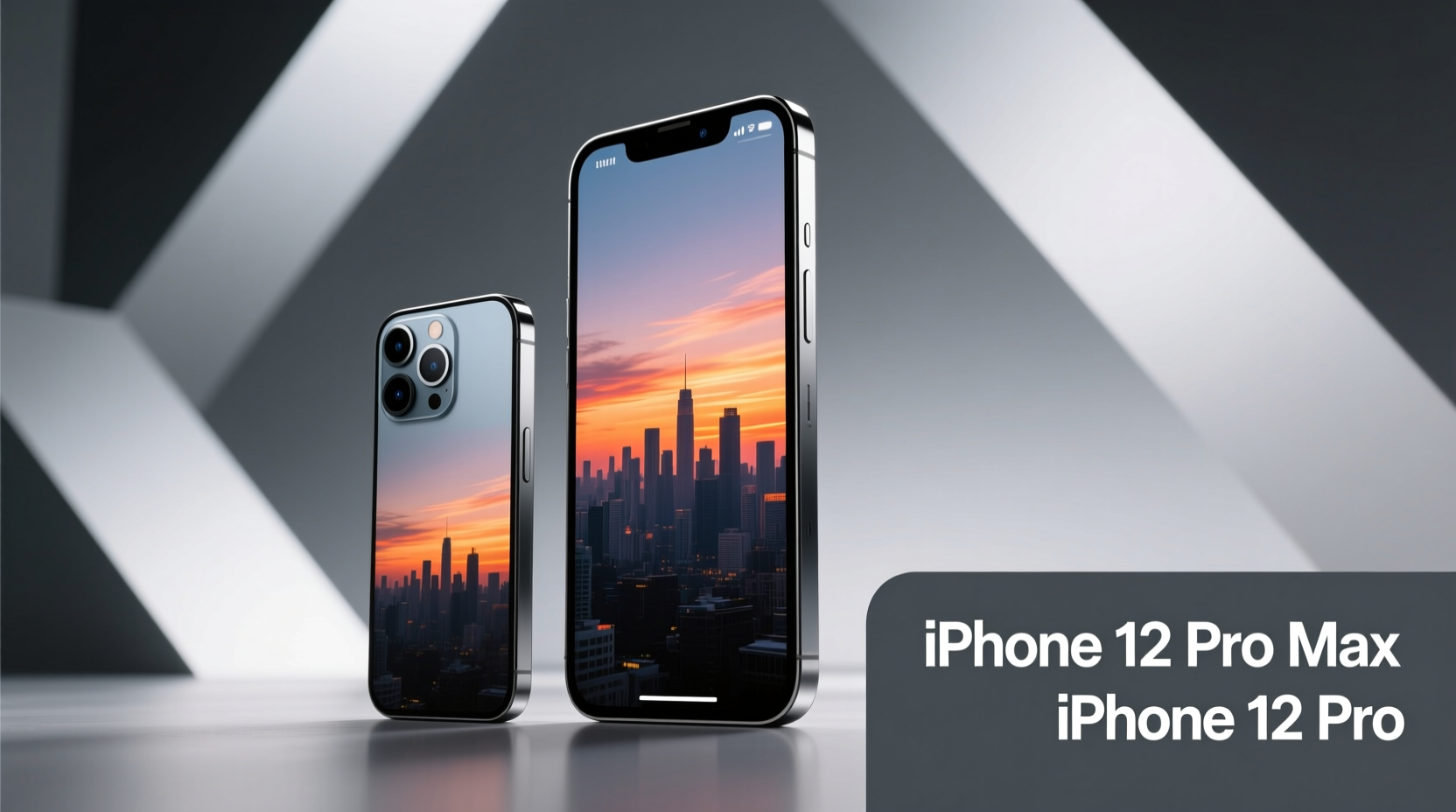
The most obvious distinction between the iPhone 12 Pro and 12 Pro Max is their physical size. The iPhone 12 Pro features a 6.1-inch Super Retina XDR display, while the Pro Max boasts a 6.7-inch screen. This may seem like a minor jump, but in practice, it significantly alters the user experience.
The larger display on the Pro Max offers more screen real estate for multitasking, media consumption, and gaming. However, this comes at the cost of one-handed usability. Users with smaller hands may find the Pro Max difficult to operate without shifting their grip or using both hands frequently.
| Feature | iPhone 12 Pro | iPhone 12 Pro Max |
|---|---|---|
| Display Size | 6.1 inches | 6.7 inches |
| Dimensions | 146.7 x 71.5 x 7.7 mm | 160.8 x 78.1 x 7.4 mm |
| Weight | 189 grams | 228 grams |
| Battery Life (Video Playback) | Up to 17 hours | Up to 20 hours |
| Starting Price (2020 Launch) | $999 | $1,099 |
The Pro Max is not only taller and wider but also heavier. While the weight increase is noticeable, many users report that the improved balance and edge-to-edge glass make it feel less cumbersome than expected—especially during extended use.
Camera Performance: Where the Max Truly Shines
Both phones feature a 12MP triple-camera system: ultra-wide, wide, and telephoto lenses. They also support Night mode, Deep Fusion, and Apple ProRAW. However, the Pro Max introduces a critical hardware upgrade: sensor-shift optical image stabilization (OIS) on the main wide camera.
Sensor-shift OIS moves the sensor itself rather than the lens elements, offering superior stability and sharper low-light photos. This results in up to 5.5 stops of image stabilization, making handheld shots in dim lighting noticeably better than on the 12 Pro.
“Sensor-shift stabilization is a game-changer for mobile photography—it allows for longer exposures without blur, especially in challenging conditions.” — David Pogue, Tech Journalist and Photographer
In addition, the Pro Max’s larger body accommodates a slightly bigger camera sensor, improving dynamic range and detail capture. While both phones take excellent photos, the Pro Max consistently delivers cleaner images in low light and more consistent zoom performance thanks to enhanced stabilization.
Zoom and Telephoto Capabilities
- Optical Zoom: 4x on both models (2x in, 2x out)
- Digital Zoom: Up to 10x (Pro Max performs better due to stabilization)
- Night Mode Portraits: Available on both, but Pro Max captures more detail
For photography enthusiasts or frequent content creators, the Pro Max offers measurable improvements that translate into real-world advantages—especially when shooting in motion or low light.
Battery Life: A Clear Advantage for the Max
Battery life is where the Pro Max pulls ahead decisively. Thanks to its larger chassis, it houses a significantly bigger battery. Apple rates the Pro Max for up to 20 hours of video playback, compared to 17 hours on the 12 Pro. In everyday mixed usage, this often translates to an extra half-day of moderate use or a full additional day of light use.
Users who rely on GPS navigation, stream music or video during commutes, or work remotely will appreciate the extended endurance. The Pro Max can comfortably last through long flights, business trips, or outdoor adventures without needing a midday charge.
Real-World Use Case: Travel Photographer’s Dilemma
Consider Sarah, a freelance travel photographer who upgraded from an iPhone 11 Pro to either the 12 Pro or 12 Pro Max. She shoots primarily on location, often in low-light environments like markets, temples, and cityscapes at dusk. Her workflow involves capturing high-resolution stills, recording 4K video clips, and editing directly on her phone before uploading to clients.
She chose the iPhone 12 Pro Max. Why? The combination of sensor-shift stabilization, longer battery life, and larger screen made editing videos smoother and reduced the need for a tripod in shaky conditions. On a week-long trip to Morocco, she shot over 300 photos and 40 minutes of video without charging once—something she couldn’t achieve with her previous device. While the phone was bulkier in her jacket pocket, the trade-off in reliability and image quality was well worth it.
This scenario illustrates how specific user needs can tip the balance toward the Pro Max, even at a higher price point.
Step-by-Step: How to Decide Which iPhone Fits Your Needs
- Evaluate your hand size and pocket space. Try holding a 6.7-inch phone in-store or compare dimensions online. Can you reach across the screen comfortably?
- Assess your photography habits. Do you shoot in low light often? Do you value image stability and RAW flexibility? If yes, prioritize the Pro Max.
- Track your current battery usage. Check Screen Time settings to see if you regularly run out of juice before bedtime. If you charge midday, the Pro Max’s endurance will help.
- Consider your accessories. Existing cases, car mounts, or stands may not fit the Pro Max. Factor in potential replacement costs.
- Set a budget. The $100 price gap (plus possible carrier fees) should be weighed against the tangible benefits you’ll actually use.
Frequently Asked Questions
Is the iPhone 12 Pro Max too big for everyday use?
It depends on personal preference. Many users adapt quickly to the size, especially if upgrading from older Plus-sized iPhones. However, those with small hands or who prefer minimalist devices may find it unwieldy.
Do both phones support MagSafe and 5G?
Yes. Both models include MagSafe wireless charging, NFC, U1 chip, and mmWave/5G connectivity (depending on region and carrier). There are no connectivity differences between the two.
Can I notice the camera difference in normal lighting?
In daylight or well-lit environments, the photo quality between the two is nearly identical. The advantage of the Pro Max becomes apparent in low light, motion shots, and when using digital zoom.
Final Verdict: Is the Extra Cost Worth It?
The iPhone 12 Pro Max isn’t just a larger version of the 12 Pro—it’s a refined tool built for users who demand more from their smartphone. The enhancements in camera stabilization, battery life, and screen size add up to a more capable device, particularly for professionals, creatives, and heavy users.
However, for the average consumer who values portability, one-handed operation, and doesn’t push their phone’s limits, the iPhone 12 Pro remains an outstanding choice. It delivers the same processing power, build quality, and software experience at a lower price and smaller footprint.
The “worth” of the extra $100 hinges on how much you value longevity, photographic capability, and all-day battery performance. If those factors align with your lifestyle, the Pro Max earns its premium. But if you prioritize convenience and compactness, the 12 Pro proves that sometimes, smaller truly is smarter.




 浙公网安备
33010002000092号
浙公网安备
33010002000092号 浙B2-20120091-4
Comments
No comments yet. Why don't you start the discussion?