
Released just a few years apart in early 2021, the iPhone 12 Pro and Samsung Galaxy S21 Plus represented flagship excellence from Apple and Samsung at the time. Now, in 2024, both devices are well past their prime release cycle. Yet, they remain popular in the refurbished and secondhand markets due to their once-top-tier specs and solid build quality. But if you're choosing between them today—either for daily use or as a budget-conscious upgrade—which one actually holds up better?
This isn’t just about nostalgia. It’s about real-world usability: software updates, app compatibility, camera performance, battery life, and long-term reliability. Let’s break down how these two phones stack up in today’s mobile landscape.
Performance and Longevity: Chipset and Software Support
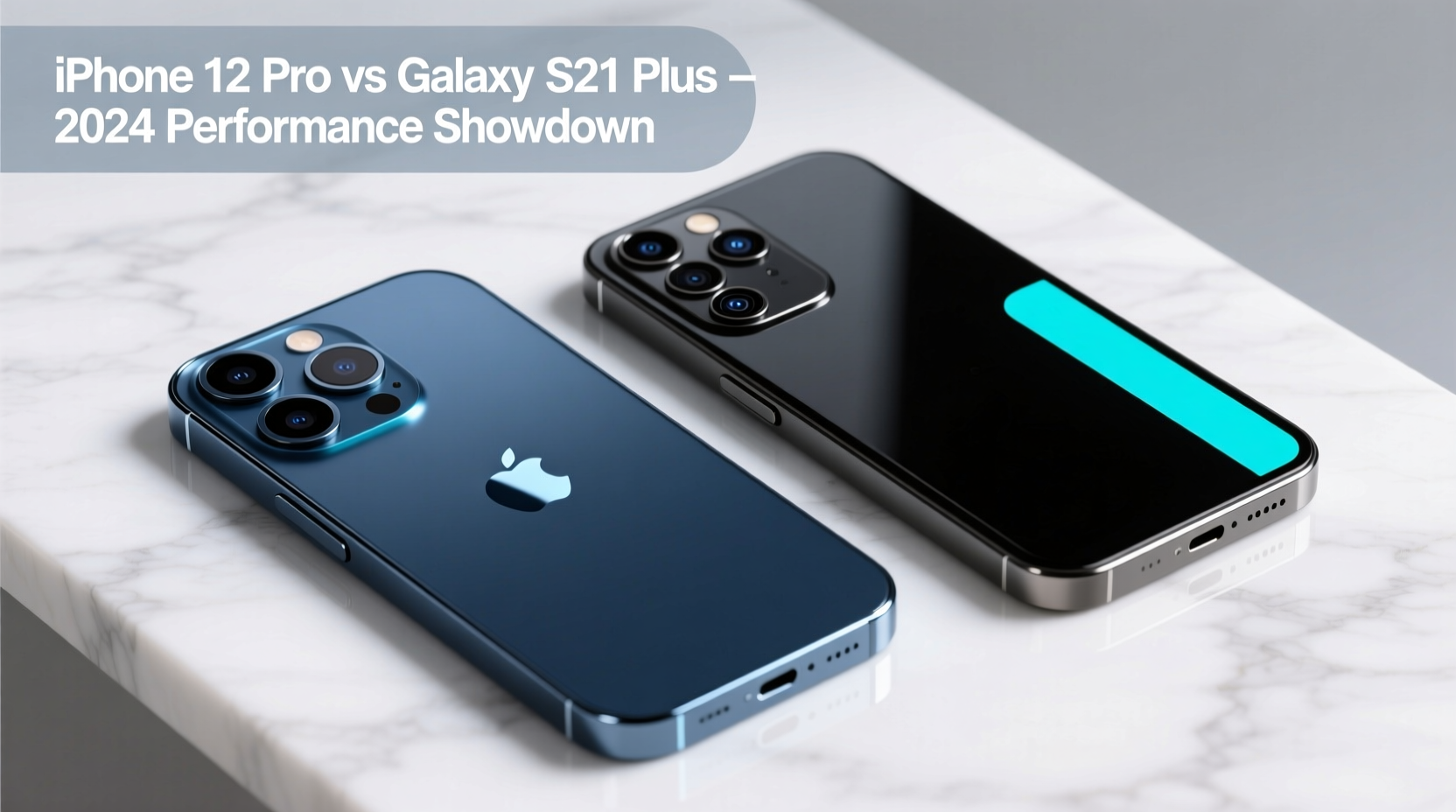
The heart of any smartphone is its processor and operating system. The iPhone 12 Pro runs on Apple’s A14 Bionic chip, built on a 5nm process with six cores (two high-performance, four efficiency). At launch, it was one of the fastest mobile chips available. The Galaxy S21 Plus, meanwhile, uses either the Exynos 2100 (in Europe) or Snapdragon 888 (in the U.S.), both also 5nm chips.
In raw benchmarks, the A14 Bionic held a slight edge over the Snapdragon 888 in CPU tasks, though the latter led in GPU performance for gaming. However, real-world speed isn’t everything—longevity matters more now.
Apple continues to support the iPhone 12 series with iOS updates. As of 2024, it runs iOS 17 and is expected to receive iOS 18 later this year. That means five years of OS updates—a level of support unmatched in the Android ecosystem.
Samsung promised four major Android updates for the S21 series, meaning it launched with Android 11 and will top out at Android 15. While that’s impressive for Android, it ends in 2025. After that, no new OS features or security patches beyond monthly fixes for a short period.
Software Ecosystem and Daily Use
iOS offers tighter integration across Apple devices—AirDrop, Handoff, iMessage, FaceTime, and iCloud syncing create a seamless experience for users invested in the ecosystem. The iPhone 12 Pro benefits from consistent UI behavior, fewer background crashes, and optimized memory management even with aging hardware.
OneUI on the S21 Plus remains feature-rich—customizable themes, DeX support, multitasking, and split-screen functionality give power users more control. However, some users report increased lag over time, especially with heavier apps, due to how Android manages RAM and background processes.
“Long-term usability isn't just about hardware—it's about sustained software optimization. Apple’s vertical integration gives older iPhones an edge.” — David Lin, Mobile Systems Analyst at TechInsight Group
Camera Comparison: Still Relevant in 2024?
Both phones were marketed as photography powerhouses. The iPhone 12 Pro featured a triple-lens setup: 12MP wide, ultra-wide, and telephoto (2x optical zoom), with Night mode on all lenses and Dolby Vision HDR video recording.
The Galaxy S21 Plus had a dual 12MP setup (wide and ultra-wide) plus a 64MP telephoto with 3x hybrid zoom (up to 30x digital). It lacked a dedicated macro sensor compared to earlier S-series models but improved low-light processing through AI-enhanced Night Mode.
| Feature | iPhone 12 Pro | Galaxy S21 Plus |
|---|---|---|
| Main Sensor | 12MP f/1.6 | 12MP f/1.8 |
| Ultra-Wide | 12MP f/2.4 | 12MP f/2.2 |
| Telephoto | 12MP f/2.0 (2x) | 64MP f/2.0 (3x hybrid) |
| Low-Light (Night Mode) | All lenses | All lenses |
| Video Recording | Dolby Vision HDR up to 4K@60fps | 8K@24fps, 4K@60fps |
In practical terms, the iPhone produces more consistent colors, natural skin tones, and superior dynamic range—especially in mixed lighting. Its computational photography handles contrast better without oversharpening.
The S21 Plus captures sharper zoom shots up to 10x using hybrid zoom, making it better for distant subjects. However, its 8K video, while technically impressive, is rarely useful due to file size and lack of editing support on mobile.
For social media content creators who prioritize color accuracy and ease of editing, the iPhone 12 Pro remains the preferred tool. For those who enjoy experimenting with zoom and high-resolution capture, the S21 Plus still delivers.
Battery Life and Charging: Real-World Endurance
The S21 Plus has a larger 4,800mAh battery versus the iPhone 12 Pro’s 2,815mAh. On paper, this suggests a significant advantage—and in practice, it shows.
With moderate use (messaging, browsing, music, light video), the S21 Plus typically lasts a full day and a half. The iPhone 12 Pro, under similar conditions, requires charging by late evening.
Charging options differ too. The iPhone 12 Pro supports 20W wired fast charging (charger not included) and 15W MagSafe wireless. The S21 Plus supports 25W fast charging (also sold separately) and 15W wireless charging, compatible with most Qi pads.
However, battery degradation is a growing concern in 2024. Both phones are now over three years old. Users report faster drain, especially on iPhones where iOS aggressively throttles performance when battery health drops below 80%. Replacing the battery on either device restores usability, but only Apple can service the iPhone with full calibration.
Display and Design Durability
The S21 Plus features a 6.7-inch Dynamic AMOLED 2X display with a 120Hz adaptive refresh rate—smoother scrolling and more responsive touch input. The iPhone 12 Pro has a 6.1-inch Super Retina XDR OLED with a fixed 60Hz refresh rate, which feels less fluid in side-by-side comparisons.
Yet, Apple’s Ceramic Shield front cover proved remarkably durable in drop tests. Many iPhone 12 Pro units from 2021 still operate with uncracked screens thanks to enhanced glass resilience. The S21 Plus uses Gorilla Glass Victus, also highly scratch and drop-resistant, though slightly less tested over time.
Design-wise, the iPhone 12 Pro’s stainless steel frame feels premium but attracts fingerprints and adds weight. The S21 Plus uses plastic on the back (not glass), which reduces cost and weight but feels less luxurious.
Real-World User Experience: A Mini Case Study
Jamal, a freelance photographer based in Portland, used his iPhone 12 Pro daily from 2021 until late 2023. He relied on its color accuracy for client previews and its compact size for street photography. By early 2024, he noticed slower app launches in Lightroom and Instagram, and the battery lasted only 5–6 hours under heavy use.
He switched to a used Galaxy S21 Plus for testing. He appreciated the larger screen for photo review and the smoother 120Hz interface. The 3x zoom lens helped capture distant details without cropping. However, he missed iMessage integration and found OneUI occasionally glitchy when switching between editing apps.
After two months, Jamal returned to the iPhone—but upgraded to a newer model. His takeaway: “The 12 Pro still takes better photos for my workflow, but the S21 Plus felt like a more modern phone overall, just not as cohesive.”
Which Phone Wins in 2024? A Final Verdict
There’s no single winner—only what fits your needs.
- Choose the iPhone 12 Pro if: You value long-term software updates, prefer consistent camera quality, use other Apple devices, and don’t mind shorter battery life.
- Choose the Galaxy S21 Plus if: You want a bigger screen with 120Hz refresh rate, better zoom capabilities, longer battery life, and deeper customization—all at a lower price point today.
For resale value, the iPhone 12 Pro retains worth better. For sheer utility and screen quality, the S21 Plus edges ahead. But neither matches current mid-range phones in raw performance—so expectations must be realistic.
Checklist: Is This Phone Right for You in 2024?
- Am I buying new, refurbished, or used? (Refurbished is safest for older flagships)
- Do I need multi-year software support? (iPhone wins)
- Is battery life critical? (S21 Plus wins)
- Do I rely on ecosystem features (iMessage, AirDrop, DeX)?
- Will I replace the battery soon? (Budget $50–$80 for replacement)
- Am I okay with potential slowdowns in demanding apps?
Frequently Asked Questions
Can the iPhone 12 Pro run iOS 18 smoothly?
Preliminary reports suggest yes—Apple typically optimizes iOS updates for older devices. However, intensive features like advanced AI tools may be limited or excluded. Expect solid performance for everyday tasks but reduced capability in future AI-driven apps.
Is the Galaxy S21 Plus waterproof after three years?
It was rated IP68 at launch, but seals degrade over time, especially after repairs or exposure to saltwater or chemicals. Avoid submerging it. Water resistance is not permanent and diminishes with age.
Which phone has better resale value now?
The iPhone 12 Pro maintains higher resale value due to brand loyalty, longer update cycles, and global demand. Even with equivalent wear, it sells for 15–25% more than the S21 Plus in most markets.
Conclusion: Make the Smart Choice for Your Lifestyle
The battle between the iPhone 12 Pro and Galaxy S21 Plus isn’t about which was better in 2021—it’s about which serves you best today. Technology moves fast, but smart consumers know that longevity, ecosystem fit, and personal usage patterns matter more than specs alone.
If you’re considering either phone in 2024, go in with eyes open: check battery health, verify warranty status, and test core functions. Both are capable, but neither is future-proof. Choose based on what you actually need—not what they once promised.




 浙公网安备
33010002000092号
浙公网安备
33010002000092号 浙B2-20120091-4
Comments
No comments yet. Why don't you start the discussion?