
When it comes to protecting your iPhone 13 Pro Max—a device that represents a significant investment—choosing the right case is more than just an aesthetic decision. It's about durability, precision, and long-term safety. Many users face a dilemma: should they invest in a model-specific case designed explicitly for the iPhone 13 Pro Max, or will a universal case offer sufficient protection at a lower price? The answer isn’t always straightforward, but understanding the differences can help you make a smarter choice.
Precision Fit vs. Generic Design
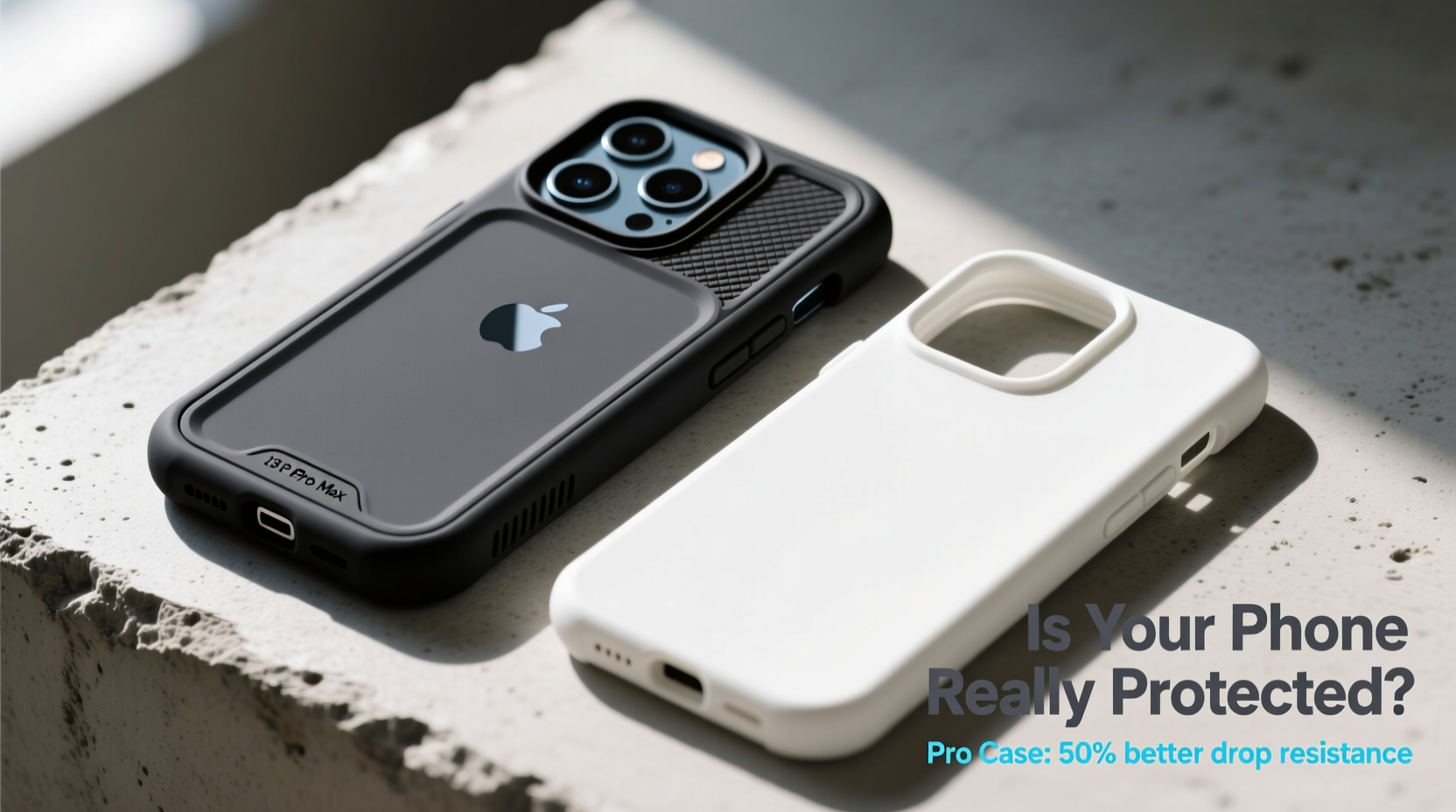
One of the most immediate distinctions between an iPhone 13 Pro Max-specific case and a universal one is fit. Branded or model-specific cases are engineered using Apple’s exact device dimensions. This ensures precise cutouts for the camera module, charging port, speaker grille, and side buttons. A perfect fit means no wobbling, no misaligned ports, and full access to all functions without obstruction.
In contrast, universal cases rely on adjustable inserts or stretchable materials to accommodate multiple phone sizes. While this flexibility is convenient, it often results in slight gaps, loose alignment, or pressure points that compromise both usability and protection. For example, a poorly aligned camera cutout may leave the lens exposed during a drop, increasing the risk of scratches or cracks.
Impact Protection: Materials and Engineering
High-quality iPhone 13 Pro Max cases are typically made from multi-layer materials such as polycarbonate shells with shock-absorbing TPU (thermoplastic polyurethane) interiors. Some even include air-cushion technology at the corners—the most vulnerable points during drops. These cases undergo rigorous drop testing, often meeting military-grade standards (MIL-STD-810G), ensuring reliable performance from heights up to six feet.
Universal cases, while sometimes using similar materials, rarely undergo the same level of testing. Their structural design must accommodate various phone thicknesses and weights, diluting their effectiveness. A case built to fit phones ranging from 5.8 inches to 6.7 inches cannot optimize impact dispersion the way a purpose-built model can.
“Precision engineering in phone cases isn't overkill—it's what prevents micro-movements during impact that lead to internal damage.” — Dr. Lena Torres, Materials Engineer at MobileShield Labs
Camera and Lens Protection
The iPhone 13 Pro Max features a prominent triple-lens camera system with a LiDAR sensor. Due to its raised placement, the camera module sits slightly above the back glass when placed flat. A well-designed case includes a raised bezel around the camera housing, preventing direct contact with surfaces.
Universal cases frequently fail here. Either the cutout is too large, leaving the lenses vulnerable, or the material isn’t rigid enough to absorb downward pressure. In real-world scenarios, this increases the likelihood of lens scratches, fogging from trapped moisture, or even sensor misalignment after repeated impacts.
| Feature | iPhone 13 Pro Max-Specific Case | Universal Case |
|---|---|---|
| Camera Cutout Precision | Exact alignment with lens cluster | Generalized opening, often oversized |
| Lens Recess/Bezel | Raised edge protects glass | Frequent flush or recessed design |
| Dust & Scratch Resistance | Optimized sealing around camera | Gaps due to flexible fit |
| Drop Test Certification | Often MIL-STD or equivalent | Rarely tested or certified |
| Material Consistency | Engineered for weight and size | Balanced for multiple models |
Real-World Example: Sarah’s Experience
Sarah, a freelance photographer based in Portland, purchased a budget-friendly universal case for her iPhone 13 Pro Max to save money. Within three weeks, she dropped her phone on a wooden deck. The case stayed intact, but the rear camera glass cracked. Upon inspection, she noticed the camera module wasn’t fully covered—the universal cutout was slightly off-center. She replaced it with a MagSafe-compatible OtterBox Defender series case. Six months later, after two more drops (one from shoulder height onto concrete), her phone remained unscathed. “I didn’t realize how much difference a few millimeters in design could make,” she said. “Now I see it as insurance, not an expense.”
Additional Functional Advantages of Model-Specific Cases
Beyond physical protection, iPhone 13 Pro Max-specific cases offer features that enhance usability:
- MagSafe Compatibility: Official and certified third-party cases are designed to work seamlessly with MagSafe chargers, wallets, and mounts. Universal cases often block magnetic alignment or reduce charging efficiency.
- Wireless Charging Optimization: Branded cases maintain optimal coil alignment and minimal thickness, ensuring fast, efficient charging. Thick or metallic layers in universal cases can interfere with induction.
- Aesthetic Integration: Apple-approved cases match the color finish of the iPhone, preserving its premium look. Many universal options use generic textures or mismatched hues.
- Acoustic Tuning: Speaker and microphone ports in model-specific cases are acoustically tuned to prevent muffling. Universal designs may obstruct sound output or cause echo.
Cost vs. Value: Is the Premium Worth It?
It’s true that universal cases are cheaper—sometimes less than half the price of a high-end branded option. But cost should be weighed against value. Consider:
- How often do you replace damaged phones or screens?
- What’s the repair cost for a cracked camera lens? (Apple charges over $100 for rear camera replacement.)
- Do you rely on your phone daily for work, communication, or creativity?
If your iPhone is essential to your routine, investing in superior protection becomes a form of risk mitigation. Think of a quality case as low-cost insurance against high-cost repairs.
Checklist: Choosing the Right Case for Your iPhone 13 Pro Max
Before purchasing, ask yourself these questions:
- ✅ Does the case have precise cutouts for all ports and sensors?
- ✅ Is the camera module fully recessed behind a raised rim?
- ✅ Is it compatible with MagSafe accessories and wireless charging?
- ✅ Has it been independently drop-tested or certified?
- ✅ Does it add bulk only where necessary, maintaining grip and pocketability?
- ✅ Is the material resistant to yellowing over time (especially clear cases)?
- ✅ Does it come with a brand reputation and customer support?
FAQ
Can a universal case damage my iPhone 13 Pro Max?
Not directly, but poor fit can lead to accidental drops, blocked ports, overheating (due to trapped heat), or interference with wireless charging. Over time, constant friction from ill-fitting edges may wear down finish or buttons.
Are all iPhone 13 cases compatible with the 13 Pro Max?
No. The iPhone 13 and 13 Pro Max share the same width but differ in thickness and camera layout. A case made only for the base iPhone 13 may not accommodate the larger Pro Max camera bump or thickness, leading to poor fit and reduced protection.
Do I need a rugged case for everyday use?
It depends on your lifestyle. If you’re frequently outdoors, travel often, or work in dynamic environments, a rugged case adds peace of mind. For indoor or office use, a slim, well-engineered case with basic drop protection may suffice.
Conclusion
Choosing between an iPhone 13 Pro Max-specific case and a universal alternative isn’t just about price—it’s about prioritizing protection, functionality, and longevity. While universal cases offer affordability and versatility, they often fall short in precision, durability, and feature integration. When safeguarding a high-end device with advanced optics, powerful internals, and seamless ecosystem features like MagSafe, settling for less-than-optimal protection may cost more in the long run.




 浙公网安备
33010002000092号
浙公网安备
33010002000092号 浙B2-20120091-4
Comments
No comments yet. Why don't you start the discussion?