
For many iPhone users, upgrading every two years has become routine. But with Apple’s incremental improvements across generations, a growing number of consumers are questioning whether the latest model truly justifies the cost—especially when comparing the powerful iPhone 13 Pro Max to the newer iPhone 15. At first glance, the jump might seem significant. In reality, the decision hinges on what you value most: cutting-edge features or practical longevity.
The iPhone 13 Pro Max was a flagship powerhouse in its time, offering top-tier performance, an excellent camera system, and all-day battery life. The iPhone 15, while not a Pro model, brings modern refinements that align with Apple’s current design philosophy. So, is trading in a still-excellent 13 Pro Max for a base-model iPhone 15 actually worthwhile? Let’s break it down.
Design and Build: A Shift in Philosophy
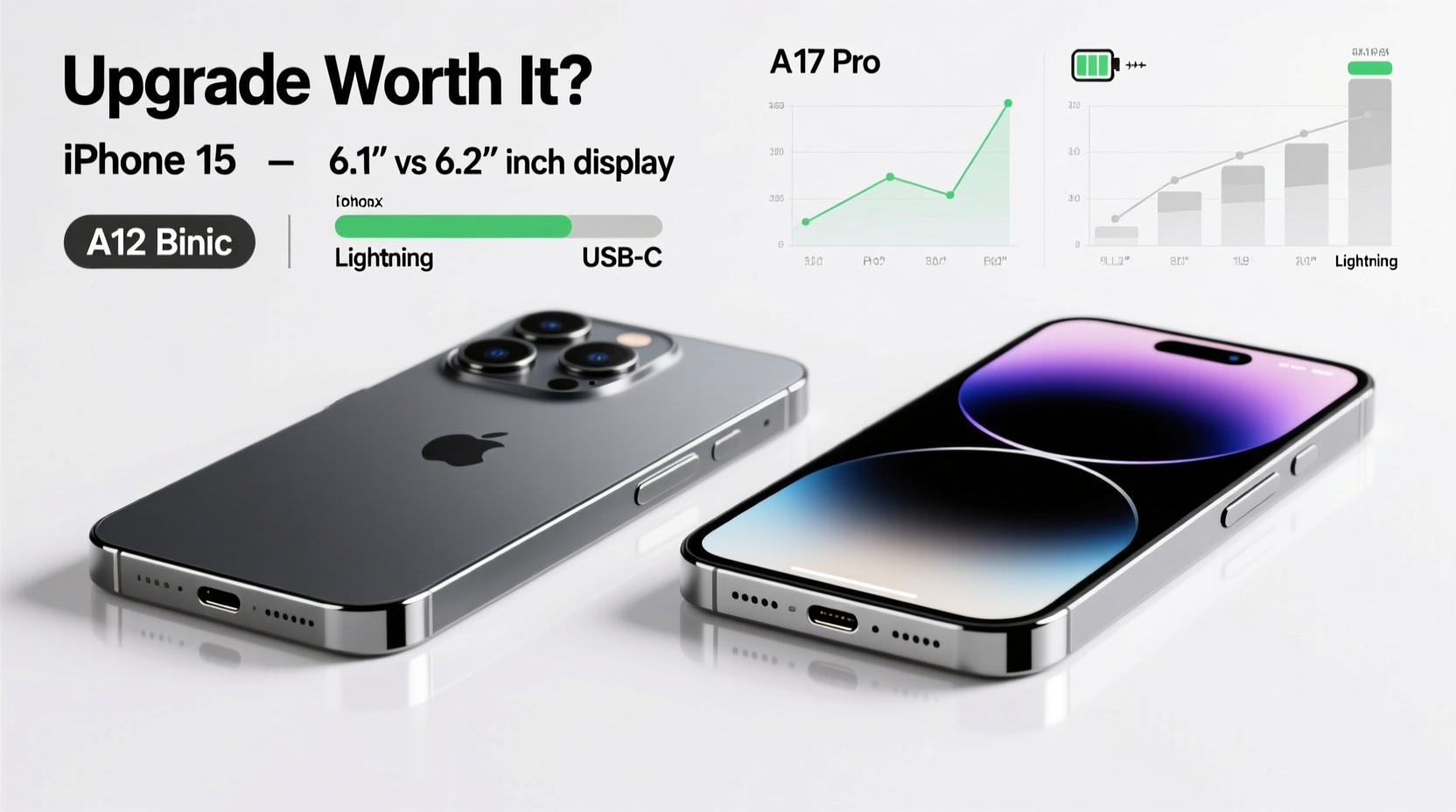
The most noticeable change between the two phones lies in their physical design. The iPhone 13 Pro Max features a stainless steel frame with a flat-edged look reminiscent of the iPhone 4 era. It’s durable but heavy at 240 grams, making it one of the heaviest iPhones Apple has ever made. Its back is finished in textured matte glass, which resists fingerprints better than glossy finishes.
In contrast, the iPhone 15 adopts a lighter aerospace-grade aluminum frame with a slightly curved back design for improved ergonomics. It weighs just 171 grams—nearly 70 grams lighter than the 13 Pro Max—making it significantly more comfortable for one-handed use. The new design also includes a color-infused back glass that eliminates the need for paint, improving long-term scratch resistance.
One major upgrade is the shift from Lightning to USB-C. The iPhone 15 marks Apple’s compliance with EU regulations, finally retiring the proprietary port after over a decade. This means faster data transfer speeds (USB 2.0), easier cable compatibility with other devices, and simplified travel charging setups.
Performance: Diminishing Returns?
Under the hood, the iPhone 13 Pro Max runs the A15 Bionic chip with a 5-core GPU (exclusive to Pro models). At launch, it delivered industry-leading performance for gaming, multitasking, and augmented reality applications. Even today, it handles iOS 17 and demanding apps without hesitation.
The iPhone 15 upgrades to the A16 Bionic chip—the same processor found in the iPhone 14 Pro. Built on a more efficient 4nm process, the A16 offers about 15–20% better CPU performance and up to 30% improved power efficiency over the A15. Graphics performance sees a modest bump as well, though not as dramatic as previous generational leaps.
In real-world usage, both phones feel snappy. Apps open quickly, animations are smooth, and background tasks rarely cause hiccups. However, if you’re someone who edits 4K video on your phone, plays graphics-intensive games, or plans to keep your device for five years or more, the A16’s efficiency gains could extend battery lifespan and maintain responsiveness longer.
“While the A16 isn’t a revolutionary leap, its power efficiency translates into tangible benefits over time—especially in thermal management and sustained performance.” — David Kim, Mobile Hardware Analyst at TechInsight Weekly
Camera Comparison: Evolution Over Revolution
The iPhone 13 Pro Max set a high bar with its triple-camera system: 12MP wide, ultra-wide, and telephoto lenses, all with sensor-shift stabilization on the main sensor. It introduced Cinematic Mode, macro photography, and ProRes video recording—features aimed at creators.
The iPhone 15 steps forward with a completely redesigned 48MP main sensor, though it defaults to 24MP output using pixel binning for better dynamic range. Unlike the Pro models, it lacks a telephoto lens, relying instead on digital zoom. However, the new sensor captures significantly more detail in daylight and improves low-light performance thanks to larger pixels and advanced computational photography.
One underrated improvement is the second-generation Sensor-Shift optical image stabilization, now included even in the non-Pro iPhone 15. This results in steadier video and sharper photos in motion or low light.
Here's how the key camera specs compare:
| Feature | iPhone 13 Pro Max | iPhone 15 |
|---|---|---|
| Main Camera | 12MP, f/1.5, Sensor-Shift OIS | 48MP (default 24MP), f/1.6, Gen 2 Sensor-Shift |
| Ultra-Wide | 12MP, f/1.8 | 12MP, f/2.2 |
| Telephoto | 12MP, f/2.8, 3x optical zoom | No telephoto lens |
| Front Camera | 12MP, f/2.2 | 12MP, f/1.9, autofocus |
| Video Recording | 4K@60fps, ProRes (external) | 4K@60fps, HDR with Dolby Vision |
If you frequently shoot portraits or wildlife, the loss of optical zoom on the iPhone 15 may be a step back. But for everyday photography, the higher-resolution sensor and improved software processing deliver richer detail and more natural colors.
Battery Life and Charging: Trade-offs Exist
The iPhone 13 Pro Max remains one of the longest-lasting iPhones ever made. Apple rated it for up to 28 hours of video playback. Real-world usage often sees two full days on a single charge under moderate conditions.
The iPhone 15, despite a smaller form factor, manages respectable endurance—around 18–20 hours of mixed use. While this is solid, it falls short of the 13 Pro Max’s stamina. However, the newer phone charges faster due to optimized USB-C power delivery and supports higher-wattage third-party chargers.
Another subtle advantage: the iPhone 15 charges more efficiently in cold environments thanks to thermal improvements in the A16 and battery management system.
Real-World Example: Sarah’s Upgrade Dilemma
Sarah has used her iPhone 13 Pro Max since late 2021. She loves the screen size and battery life, especially during her weekend hikes where she shoots landscapes and records vlogs. Her phone still performs well, but she’s intrigued by the iPhone 15’s USB-C port and rumored camera upgrades.
After testing the iPhone 15 at an Apple Store, she noticed the camera produces sharper daylight shots, but missed the 3x telephoto lens when zooming in on distant subjects. The lighter weight felt refreshing, but she didn’t need the latest chip for her daily tasks. Ultimately, she decided to hold off on upgrading. Instead, she invested in a MagSafe battery pack and a rugged case to extend her 13 Pro Max’s life another two years.
Sarah’s story reflects a growing trend: users are finding less urgency to upgrade when their current device still meets their needs.
Is the Upgrade Worth It? A Checklist
Before making the switch, consider these factors:
- Do you need USB-C? If you use MacBooks, iPads, or Android devices, switching simplifies your tech ecosystem.
- Are you running out of storage? The iPhone 15 starts at 128GB (vs. 128GB minimum on 13 Pro Max), so no change unless you upgrade capacity.
- How important is weight and size? The iPhone 15 is much lighter and narrower—ideal for small hands or pocket carry.
- Do you rely on optical zoom? Without a telephoto lens, the iPhone 15 can’t match the 13 Pro Max’s versatility.
- Is future-proofing a priority? The A16 and newer architecture may support iOS updates longer—potentially through 2028 or beyond.
Frequently Asked Questions
Can the iPhone 15 last as long as the iPhone 13 Pro Max?
Yes, in terms of software support. Both phones are expected to receive iOS updates until at least 2028. However, the 13 Pro Max’s larger battery and robust build may give it a slight edge in longevity under heavy use.
Is the iPhone 15 camera better overall?
It depends. The main sensor captures more detail in good lighting, but lacks the telephoto lens and ProRAW flexibility of the 13 Pro Max. For casual photographers, yes—it’s an upgrade. For enthusiasts, it’s a trade-off.
Should I wait for the iPhone 16?
If you don’t urgently need a new phone, waiting may be wise. Rumors suggest the iPhone 16 will feature a larger battery, improved thermal design, and potentially a periscope zoom lens—even on non-Pro models.
Final Verdict: Upgrade Only If It Fits Your Lifestyle
The iPhone 15 is a refined, modern smartphone with meaningful improvements: USB-C, a sharper main camera, lighter build, and a more efficient chip. But for owners of the iPhone 13 Pro Max, the upgrade isn’t transformative. You’re trading raw power, battery endurance, and optical zoom for convenience, portability, and future compatibility.
If you value lightweight design, universal charging, and plan to keep your phone for four or more years, the iPhone 15 makes sense. But if you prioritize battery life, professional photography, and don’t mind the bulk, sticking with the 13 Pro Max—or moving to an iPhone 15 Pro—is the smarter move.




 浙公网安备
33010002000092号
浙公网安备
33010002000092号 浙B2-20120091-4
Comments
No comments yet. Why don't you start the discussion?