
Choosing between the iPhone 14 Plus and the iPhone 13 isn’t just about specs—it’s about how those differences translate into real-world use. Apple positioned the iPhone 14 Plus as a long-lasting, large-screen alternative in its lineup, but for users already on the iPhone 13, the upgrade path raises a valid question: does the extra screen size and incremental improvements justify the cost? The answer depends on your usage patterns, battery needs, and how much you value future-proofing.
Display and Design: Bigger Isn’t Always Better
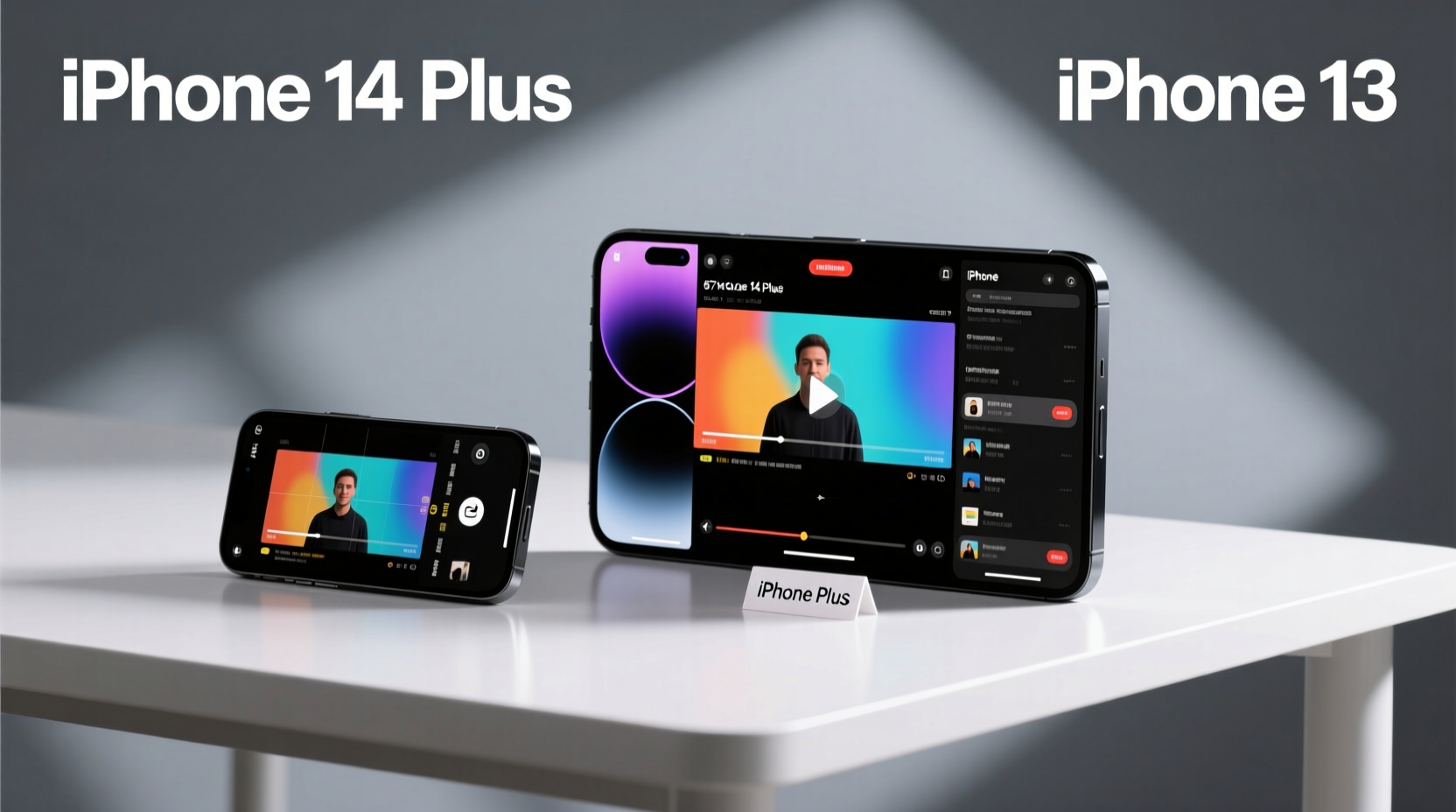
The most noticeable difference between the two phones is the display. The iPhone 14 Plus features a 6.7-inch Super Retina XDR OLED panel, while the iPhone 13 has a 6.1-inch version of the same display technology. That extra half-inch may not sound like much, but in hand, it makes a tangible difference—especially for media consumption, reading, and multitasking.
However, the design language remains nearly identical. Both models feature aerospace-grade aluminum edges, Ceramic Shield front cover, and IP68 water resistance. The weight difference is notable: the iPhone 14 Plus weighs 203 grams compared to the iPhone 13’s 174 grams. For users with smaller hands or those who prioritize pocketability, this added bulk can be a deterrent.
Battery Life: Where the iPhone 14 Plus Shines
If there’s one area where the iPhone 14 Plus clearly outperforms the iPhone 13, it’s battery life. Apple claims up to 26 hours of video playback on the 14 Plus versus 19 hours on the iPhone 13. Real-world testing confirms this gap—users report consistently getting through a full day, even with heavy usage, and sometimes stretching into a second day with moderate use.
This extended endurance comes from both the larger physical battery and efficiency improvements in the A15 Bionic chip (the same processor as in the iPhone 13, but tuned differently in the 14 Plus). For travelers, commuters, or anyone frustrated by midday charging, this upgrade alone could be a game-changer.
“Battery anxiety is one of the top reasons users upgrade. The iPhone 14 Plus reduces that stress significantly.” — David Lin, Mobile Tech Analyst at GadgetInsight
Performance and Camera: Subtle But Meaningful Gains
Both phones are powered by variants of the A15 Bionic chip. The iPhone 13 uses the full five-core GPU version, while the iPhone 14 Plus uses a slightly cut-down four-core GPU configuration. In everyday tasks—browsing, messaging, streaming—this difference is imperceptible. Even gaming performance remains strong on the 14 Plus, though frame rates in demanding titles like Genshin Impact may dip slightly more under sustained load.
Camera upgrades are modest. The iPhone 14 Plus inherits the improved main sensor from the iPhone 14, offering better low-light performance thanks to a larger aperture (ƒ/1.5 vs ƒ/1.6) and sensor-shift stabilization. It also supports Photonic Engine, which enhances image processing in mid-to-low light. While photos during the day look nearly identical, nighttime shots on the 14 Plus show noticeably less noise and better dynamic range.
One standout feature exclusive to the 14 Plus (and other iPhone 14 models) is Emergency SOS via Satellite. Though rarely used, it provides peace of mind for outdoor enthusiasts. The iPhone 13 lacks this capability entirely.
Real-World Example: Sarah’s Upgrade Dilemma
Sarah, a freelance photographer and frequent traveler, upgraded from an iPhone 13 to the iPhone 14 Plus after six months of hesitation. Her primary pain point was battery life—she often needed to carry a power bank to client shoots. After switching, she found she could shoot, edit, and upload entire galleries without recharging. The larger screen also made editing on Lightroom Mobile easier.
But it wasn’t all positive. She initially struggled with one-handed use and found the phone slipped out of her jacket pocket twice before she switched to a grippier case. “The screen is amazing for reviewing photos,” she said, “but I didn’t anticipate how much heavier it feels after a full day in my hand.”
For Sarah, the trade-offs were worth it. For someone less reliant on battery or media creation, they might not be.
Comparison Table: iPhone 14 Plus vs iPhone 13
| Feature | iPhone 14 Plus | iPhone 13 |
|---|---|---|
| Screen Size | 6.7 inches | 6.1 inches |
| Display Type | Super Retina XDR OLED | Super Retina XDR OLED |
| Battery Life (Video Playback) | Up to 26 hours | Up to 19 hours |
| Chip | A15 Bionic (4-core GPU) | A15 Bionic (5-core GPU) |
| Main Camera | 12MP, ƒ/1.5, Sensor-Shift Stabilization | 12MP, ƒ/1.6, Optical Stabilization |
| Emergency SOS via Satellite | Yes | No |
| Starting Storage | 128GB | 128GB |
| Weight | 203g | 174g |
| Price (Launch, 128GB) | $899 | $699 |
Step-by-Step: Should You Upgrade?
Deciding whether to upgrade should follow a logical evaluation of your current experience and future needs. Here’s a practical timeline to guide your decision:
- Assess your current battery life: Do you regularly run out of charge before bedtime? If yes, the 14 Plus offers meaningful improvement.
- Evaluate your screen usage: Do you watch videos, read e-books, or edit documents on your phone? Larger screens enhance these experiences.
- Consider durability and safety: If you hike, travel off-grid, or work in remote areas, Emergency SOS via Satellite adds real value.
- Test the size in person: Visit an Apple Store or retailer to hold both devices. Comfort matters more than specs over time.
- Weigh the cost: The $200 price jump may be better spent on accessories or saved if your iPhone 13 still performs well.
Frequently Asked Questions
Is the iPhone 14 Plus camera significantly better than the iPhone 13?
Not dramatically, but it is better in low light. The larger sensor and improved image processing yield cleaner night shots and more detail in shadows. Daytime photos are nearly indistinguishable.
Can the iPhone 14 Plus last longer than the iPhone 13?
In terms of software support, both will likely receive updates until 2027–2028. However, the 14 Plus’s larger battery degrades slower under typical use, potentially extending its usable lifespan by several months.
Does the bigger screen affect app compatibility?
No. All iOS apps scale appropriately across iPhone sizes. Some iPad apps offer enhanced layouts, but standard iPhone apps function identically on both devices.
Final Verdict: Who Should Upgrade?
The iPhone 14 Plus isn’t a revolutionary leap over the iPhone 13, but it refines the experience in ways that matter. If you value battery life above all else, spend significant time consuming media, or want the latest safety features, the upgrade is justified. The larger screen enhances productivity and entertainment, but it comes with trade-offs in portability and one-handed usability.
For users whose iPhone 13 still feels fast and reliable, waiting for the iPhone 15 or later models may be the smarter financial move. But if you’ve been craving a bigger, longer-lasting iPhone without stepping into Pro territory, the iPhone 14 Plus delivers a compelling package.




 浙公网安备
33010002000092号
浙公网安备
33010002000092号 浙B2-20120091-4
Comments
No comments yet. Why don't you start the discussion?