
In the high-stakes arena of premium smartphones, two devices have captured attention in dramatically different ways: the Apple iPhone 14 Pro Max and the Samsung Galaxy Z Fold 4. One is a refined evolution of a proven design, the other a bold leap into the future of mobile computing. Despite the Fold 4’s innovative form factor, anecdotal evidence and market trends suggest many users are returning to conventional flagships like the iPhone 14 Pro Max. But are people truly ditching foldables—or is the narrative being oversimplified?
This isn’t just about specs or screen size. It’s about how people actually use their phones, what they value in daily life, and whether groundbreaking technology can survive the test of real-world habits.
The Allure and Reality of Foldables
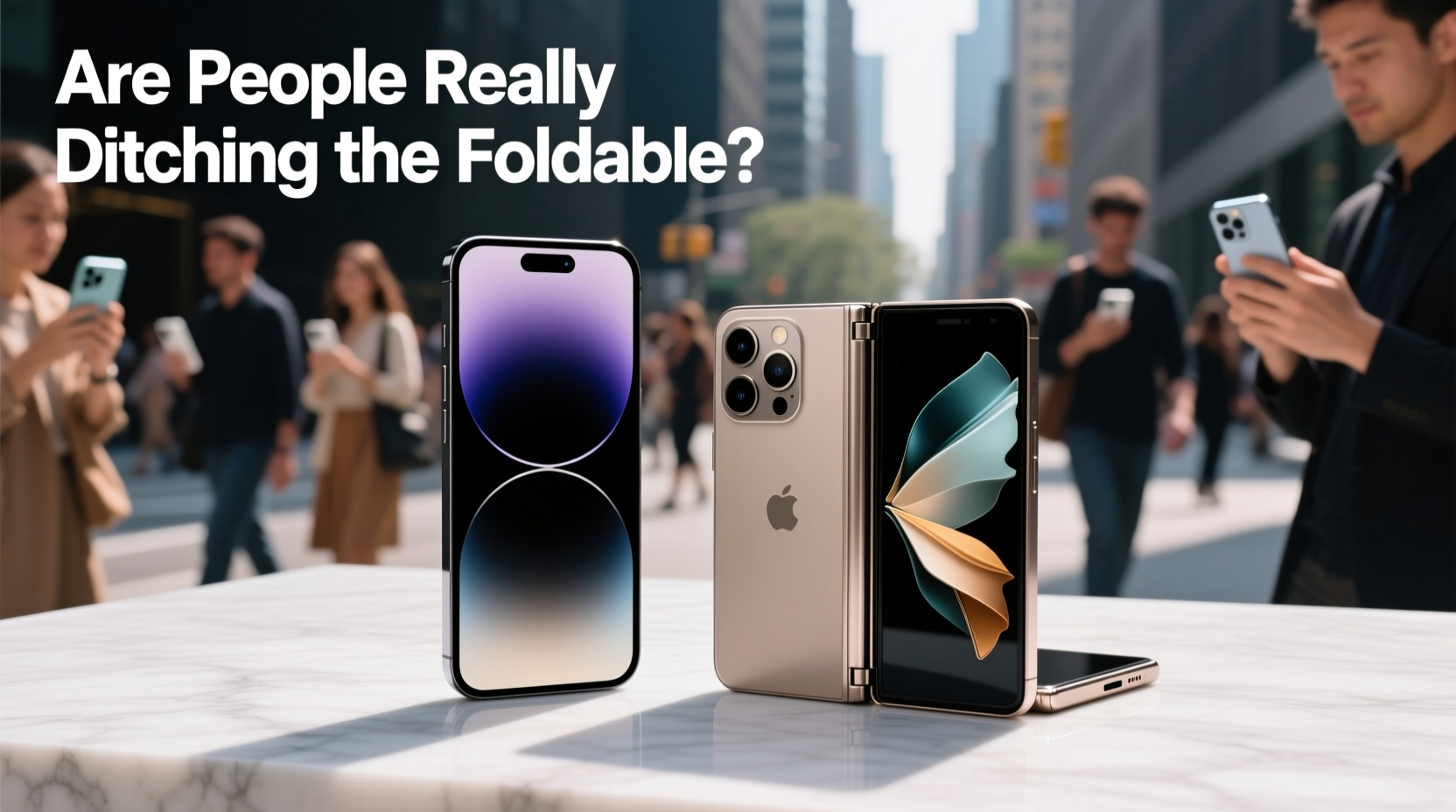
The Galaxy Z Fold 4 represents years of refinement in foldable smartphone design. With a large 7.6-inch inner display, multitasking capabilities, and a sleek outer screen, it promises a tablet-like experience in your pocket. For professionals, creatives, and early adopters, it seemed like the next logical step in mobile evolution.
Yet, despite its technical achievements, adoption remains niche. According to Counterpoint Research, foldables made up only about 1.5% of global smartphone sales in 2023. While growing year-over-year, the segment still struggles with mainstream appeal. Many who initially embraced the Fold 4 found themselves switching back to more traditional devices—often the iPhone 14 Pro Max—within months.
Daily Usability: Design vs. Durability
The iPhone 14 Pro Max delivers a familiar but polished experience. Its 6.7-inch Super Retina XDR display is bright, responsive, and protected by Ceramic Shield. The build quality is consistent, and the device feels sturdy in hand. There’s no crease, no hinge mechanism to worry about, and no uncertainty about long-term screen integrity.
In contrast, the Galaxy Z Fold 4 demands careful handling. The inner foldable screen is vulnerable to dust, pressure, and accidental punctures. While Samsung has improved durability with the second-generation Armor Aluminum frame and IPX8 water resistance on the outer shell, the folding mechanism remains a point of concern. Users report anxiety about placing the phone face-down or storing it in tight pockets.
“Foldables are impressive engineering feats, but they introduce new failure points that most users aren’t prepared to manage.” — David Liu, Senior Analyst at TechInsight Group
For many, the convenience of the iPhone 14 Pro Max outweighs the novelty of the Fold 4. Tasks like one-handed operation, quick photo capture, or using Face ID in landscape mode are seamless on Apple’s device. On the Fold 4, these actions often require adjustments in posture, app compatibility, or orientation.
Performance and Ecosystem: A Tale of Two Platforms
Under the hood, both devices are powerhouses. The iPhone 14 Pro Max runs on Apple’s A16 Bionic chip, delivering industry-leading efficiency and performance, particularly in sustained workloads like video editing or gaming. iOS remains tightly integrated, offering consistent updates, strong privacy controls, and seamless integration with other Apple devices.
The Galaxy Z Fold 4 uses the Qualcomm Snapdragon 8+ Gen 1 (in most regions), which is capable but not class-leading in 2023. More importantly, Android’s multitasking potential on the Fold 4 is hampered by inconsistent app optimization. While Samsung’s software adds split-screen and pop-up features, many third-party apps don’t scale well across the asymmetric screens.
| Feature | iPhone 14 Pro Max | Galaxy Z Fold 4 |
|---|---|---|
| Display Size | 6.7\" (single) | 6.2\" outer / 7.6\" inner |
| Processor | A16 Bionic | Snapdragon 8+ Gen 1 |
| Battery Life | Up to 29 hours video playback | ~12 hours mixed use |
| Software Updates | 5+ years expected | 4 OS upgrades, 5 security |
| Ecosystem Integration | iCloud, AirDrop, Continuity | DeX, Galaxy Wearables |
| Starting Price | $1,099 | $1,799 |
The price difference alone is telling. For $700 less, the iPhone offers comparable—if not superior—performance, longer software support, and a more cohesive ecosystem. That gap becomes even more significant when factoring in accessories, insurance, and potential repair costs for the Fold 4.
Real-World Example: The Power User Who Switched Back
Consider Mark T., a digital marketing consultant from Austin, who purchased the Galaxy Z Fold 4 at launch in August 2022. Initially thrilled by the multitasking possibilities—running Slack, Google Sheets, and Zoom simultaneously—he found the experience frustrating within weeks.
“I loved the idea,” he said, “but in practice, apps didn’t behave predictably. I’d lose formatting when dragging text between windows, and the battery died before my workday ended. After cracking the outer screen during a commute, I replaced it with an iPhone 14 Pro Max. Now I get full-day battery, reliable Face ID, and all my apps work exactly as expected.”
Mark’s story isn’t unique. Online forums like Reddit’s r/FoldLife and MacRumors threads are filled with similar accounts: excitement followed by disillusionment, then a return to conventional flagships.
When the Foldable Makes Sense—And When It Doesn’t
The Galaxy Z Fold 4 excels in specific scenarios: consuming media, taking handwritten notes with the S Pen, or managing multiple communication channels. For users deeply embedded in the Samsung ecosystem—using DeX, Galaxy Buds, and tablets—it can be transformative.
But for the average consumer, the iPhone 14 Pro Max simply works better out of the box. It doesn’t require learning new gestures, adapting to fragile hardware, or troubleshooting app compatibility. It also benefits from stronger resale value—after one year, iPhones typically retain 60–70% of their value, compared to 40–50% for the Fold 4.
- Foldables suit experimental users and tech enthusiasts.
- Traditional flagships serve reliability-focused professionals and families.
- Business travelers may prefer the iPhone’s consistency over the Fold’s bulk.
- Creatives might benefit from the Fold’s screen real estate—if they accept the trade-offs.
FAQ: Common Questions About the Switch
Why do people return the Galaxy Z Fold 4?
Common reasons include screen durability concerns, shorter battery life, inconsistent app performance, and discomfort in everyday handling. Some users also cite the high cost of repairs and limited carrier support.
Is the iPhone 14 Pro Max more durable than the Fold 4?
Yes, in practical terms. While neither phone is indestructible, the iPhone lacks moving parts and has a proven track record of surviving drops and daily wear. The Fold 4’s hinge and inner screen remain vulnerable points even with improvements.
Can the Galaxy Z Fold 4 replace a tablet?
It can, partially. The large screen supports tablet-like tasks, but software limitations and weight distribution make prolonged use less comfortable than a dedicated iPad or Android tablet.
Conclusion: Innovation Needs Time—and Patience
The question isn’t whether people are ditching the Galaxy Z Fold 4—it’s whether the technology has matured enough for mass adoption. Right now, the answer leans toward no. The iPhone 14 Pro Max wins not because it’s more innovative, but because it’s more dependable, accessible, and aligned with how most people actually use their phones.
Foldables represent the future, but that future is still unfolding. As materials improve, software catches up, and prices stabilize, the balance may shift. Until then, the majority will continue choosing proven reliability over experimental design.
If you’re tempted by the Fold 4, go in with eyes open: understand the compromises, prepare for higher ownership costs, and assess whether the benefits align with your actual needs—not just the hype.




 浙公网安备
33010002000092号
浙公网安备
33010002000092号 浙B2-20120091-4
Comments
No comments yet. Why don't you start the discussion?