
The smartphone landscape in 2023 is more competitive than ever. Apple’s iPhone 14 Pro and Google’s Pixel 7 Pro represent two distinct philosophies: one rooted in ecosystem integration and hardware refinement, the other in AI-powered photography and pure Android experience. With both devices commanding premium prices, consumers are asking a critical question — is the growing buzz around the Pixel 7 Pro justified, or does the iPhone 14 Pro still sit unchallenged at the top?
This isn’t just about specs on paper. It’s about daily usability, long-term satisfaction, camera performance in real lighting, and how well each phone fits into your digital life. Let’s break down where each excels and whether the Pixel’s momentum signals a true shift in the flagship hierarchy.
Design and Build: Premium Materials, Different Personalities
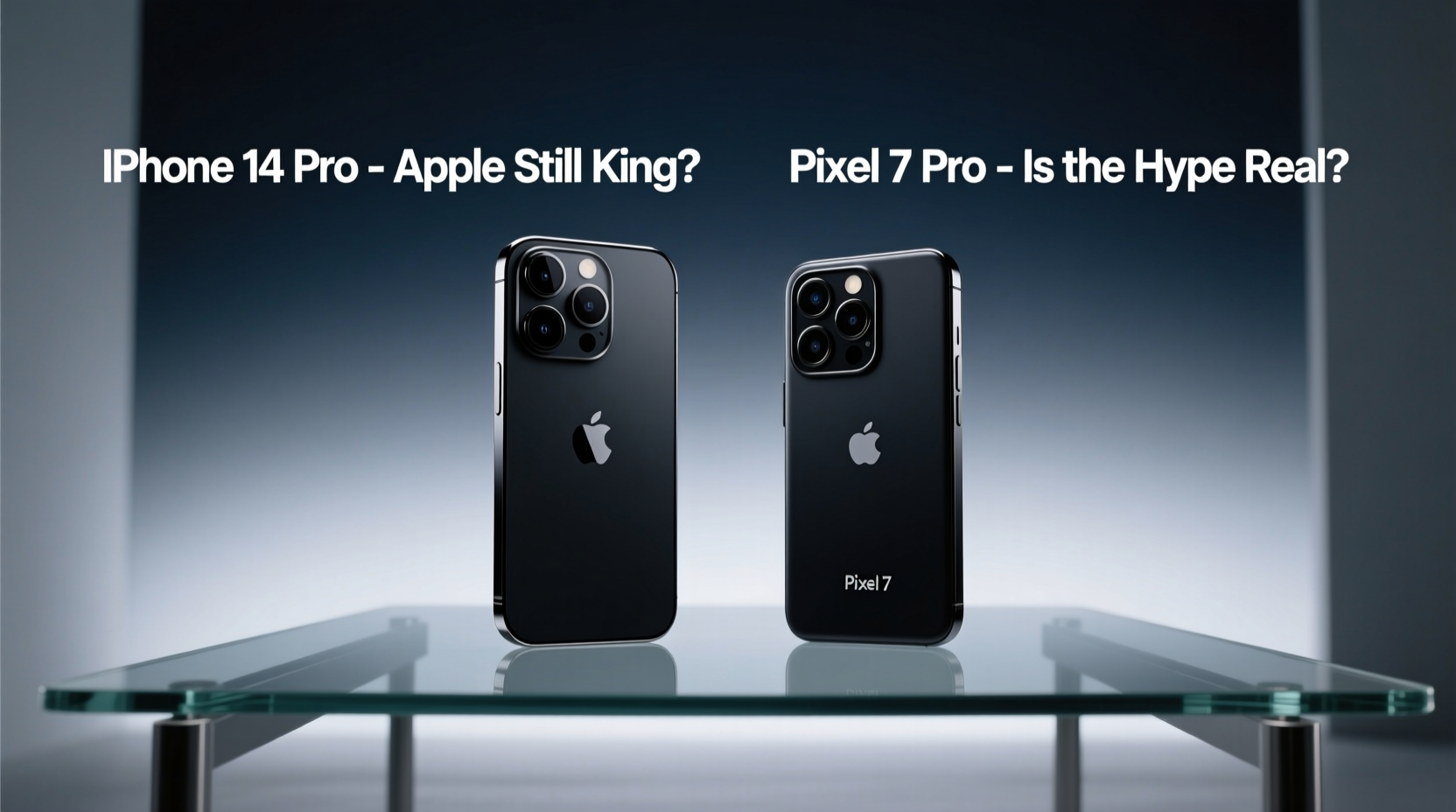
The iPhone 14 Pro continues Apple’s tradition of minimalist, precision-engineered design. Its surgical-grade stainless steel frame and Ceramic Shield front offer durability that feels substantial in hand. The new Dynamic Island — replacing the notch — is not just aesthetic but functional, integrating alerts and live activities seamlessly into the display.
In contrast, the Pixel 7 Pro embraces a more expressive identity. Its aluminum side rails sandwich a glossy glass back with Google’s signature horizontal camera bar. While lighter than the iPhone, it still conveys premium quality. The slightly curved edges make one-handed use more comfortable, though some users report less confidence in grip compared to Apple’s flatter sides.
Both are IP68-rated for water and dust resistance, ensuring reliability in adverse conditions. However, Apple’s build consistency across generations gives it an edge in perceived longevity.
Display Quality: Brightness vs. Smoothness
The iPhone 14 Pro features a 6.1-inch Super Retina XDR OLED with ProMotion technology, offering a 120Hz adaptive refresh rate. Peak brightness reaches an astonishing 2000 nits under HDR — ideal for outdoor visibility. Colors are accurate, contrast is deep, and the overall viewing experience is among the best in any smartphone.
The Pixel 7 Pro counters with a larger 6.7-inch LTPO OLED panel, also adaptive from 10–120Hz. While peak brightness hits 1550 nits (still excellent), it falls short in direct sunlight against the iPhone. However, Google’s display tuning favors natural color reproduction out of the box, avoiding oversaturation common in other Android flagships.
For media consumption, the larger screen of the Pixel may appeal, but the iPhone’s superior brightness and smoother animation handling give it an edge in high-motion tasks like gaming or scrolling through dense content.
Performance and Software: iOS Efficiency vs. Android Intelligence
Under the hood, the iPhone 14 Pro runs on Apple’s A16 Bionic chip — a 4nm powerhouse built for speed and efficiency. Apps launch instantly, multitasking is fluid, and even intensive workloads like video editing feel effortless. iOS 16 offers tight integration across Apple devices, enabling seamless Handoff, AirDrop, and iCloud continuity.
The Pixel 7 Pro uses Google’s second-generation Tensor G2 chip. It’s not as raw-fast as the A16, but it’s optimized for machine learning tasks — particularly photography and voice processing. Features like Call Screening, Live Translate, and Magic Eraser rely heavily on Tensor’s neural core. While general performance is smooth, some users report occasional stutters during app transitions.
“Apple’s silicon advantage isn’t just about speed — it’s about sustained performance and energy efficiency over years.” — Mark Rivera, Senior Tech Analyst at MobileInsight Group
iOS is renowned for long-term support; iPhones typically receive 5–6 years of updates. The Pixel 7 Pro promises only three major Android upgrades and five years of security patches — respectable for Android, but still behind Apple’s track record.
Camera Showdown: Computational Photography vs. Consistency
This is where the debate heats up. The Pixel 7 Pro has earned acclaim for its camera system, especially in computational photography. Its 50MP main sensor, combined with advanced HDR+ and Night Sight algorithms, produces stunning photos in low light and challenging conditions. The 48MP telephoto lens offers crisp 5x optical zoom — unmatched by the iPhone’s 3x.
However, the iPhone 14 Pro delivers more consistent results across diverse scenarios. Its Photonic Engine enhances low-light performance while preserving natural skin tones and dynamic range. The addition of ProRAW and ProRes video recording makes it a favorite among creators. Video quality, in particular, remains far ahead — with better stabilization, audio capture, and Dolby Vision HDR.
Google’s Magic Eraser and Best Take features are fun and useful, but they’re post-processing tools. Apple focuses on getting the shot right the first time, relying less on edits.
| Feature | iPhone 14 Pro | Pixel 7 Pro |
|---|---|---|
| Main Sensor | 48MP (f/1.78) | 50MP (f/1.85) |
| Telephoto Zoom | 3x Optical | 5x Optical |
| Ultra-Wide Aperture | f/2.2 | f/2.2 |
| Video Recording | Dolby Vision HDR up to 4K@60fps | 4K@30fps (no Dolby Vision) |
| Low-Light Photo | Excellent | Outstanding (with processing) |
Real-World Example: Concert Photography
At a recent indoor concert, a user tried capturing a dimly lit band using both phones. The Pixel 7 Pro automatically triggered Night Sight, producing a bright image with vivid colors — but slight motion blur due to longer exposure. The iPhone 14 Pro used its Photonic Engine to balance exposure faster, resulting in a sharper shot with more accurate stage lighting tones. While the Pixel’s image looked more “impressive” initially, the iPhone’s version was truer to what the audience saw.
Battery Life and Charging: All-Day Use, But Differently
The iPhone 14 Pro improved battery life significantly over its predecessor, now reliably lasting a full day with moderate to heavy use. However, charging remains slow — limited to 20W wired and 15W MagSafe. There’s no charger in the box, adding cost for those without existing accessories.
The Pixel 7 Pro packs a 5000mAh battery, translating to strong endurance — often edging past the iPhone in screen-on time. It supports 30W fast charging (charger sold separately) and wireless charging. Google’s Adaptive Battery learns usage patterns effectively, extending idle life.
While both deliver all-day performance, the Pixel wins on flexibility and charging speed. The iPhone compensates with better standby optimization and background app management.
Should You Switch? A Practical Checklist
Choosing between these two depends on your priorities. Use this checklist to guide your decision:
- ✅ Need seamless integration with Mac, iPad, or AirPods? → iPhone 14 Pro
- ✅ Want the best video recording quality? → iPhone 14 Pro
- ✅ Prioritize AI-powered photo editing and clean Android? → Pixel 7 Pro
- ✅ Prefer longer optical zoom for travel or wildlife? → Pixel 7 Pro
- ✅ Value longer software support (5+ years)? → iPhone 14 Pro
- ✅ Want faster charging and slightly better battery life? → Pixel 7 Pro
- ✅ Already invested in Google services (Photos, Assistant, etc.)? → Pixel 7 Pro
Frequently Asked Questions
Is the Pixel 7 Pro worth switching to from iPhone?
Yes, if you value stock Android, aggressive photo enhancements, and faster charging. However, expect a learning curve with app compatibility and ecosystem differences, especially if you use other Apple devices.
Does the iPhone 14 Pro camera beat the Pixel 7 Pro?
In consistency and video, yes. The iPhone captures more reliable photos across lighting conditions and records superior video. The Pixel excels in low-light stills and creative editing tools, but sometimes at the cost of realism.
Which phone will last longer?
Historically, iPhones maintain performance and resale value longer due to extended software updates and robust build quality. While the Pixel 7 Pro is well-built, Apple’s track record for 4–5 year usability gives it the longevity edge.
Conclusion: Hype vs. Legacy — Who Reigns?
The hype around the Pixel 7 Pro is real — and deserved in specific areas. Google has crafted a compelling alternative to the iPhone, particularly for photography enthusiasts who love AI-driven features and pure Android. The improvements in Tensor, camera intelligence, and design mark a clear evolution in Google’s hardware ambition.
Yet, Apple remains king for most mainstream users. The iPhone 14 Pro delivers unmatched ecosystem synergy, superior video capabilities, longer software support, and a polished user experience that few can replicate. It’s not the most innovative on paper, but it consistently performs where it matters.
If you're drawn to novelty, customization, and cutting-edge computational photography, the Pixel 7 Pro is a bold choice. But if you prioritize reliability, longevity, and seamless integration, the iPhone 14 Pro continues to set the standard.




 浙公网安备
33010002000092号
浙公网安备
33010002000092号 浙B2-20120091-4
Comments
No comments yet. Why don't you start the discussion?