
The iPhone 14 Pro and iPhone 14 Pro Max share nearly identical hardware, camera systems, and performance. The most noticeable physical distinction between them is size—and with that comes a meaningful difference in weight. The iPhone 14 Pro weighs 206 grams (7.26 oz), while the Pro Max tips the scales at 240 grams (8.47 oz). That’s a 34-gram gap—about the weight of two AAA batteries. But does this difference actually affect everyday usability, especially over extended periods?
For users deciding between these models, understanding how weight impacts grip, one-handed use, pocketability, and fatigue during prolonged use is essential. This article breaks down the real-world implications of that extra heft, backed by user patterns, ergonomic principles, and practical scenarios.
Ergonomics and Grip Comfort
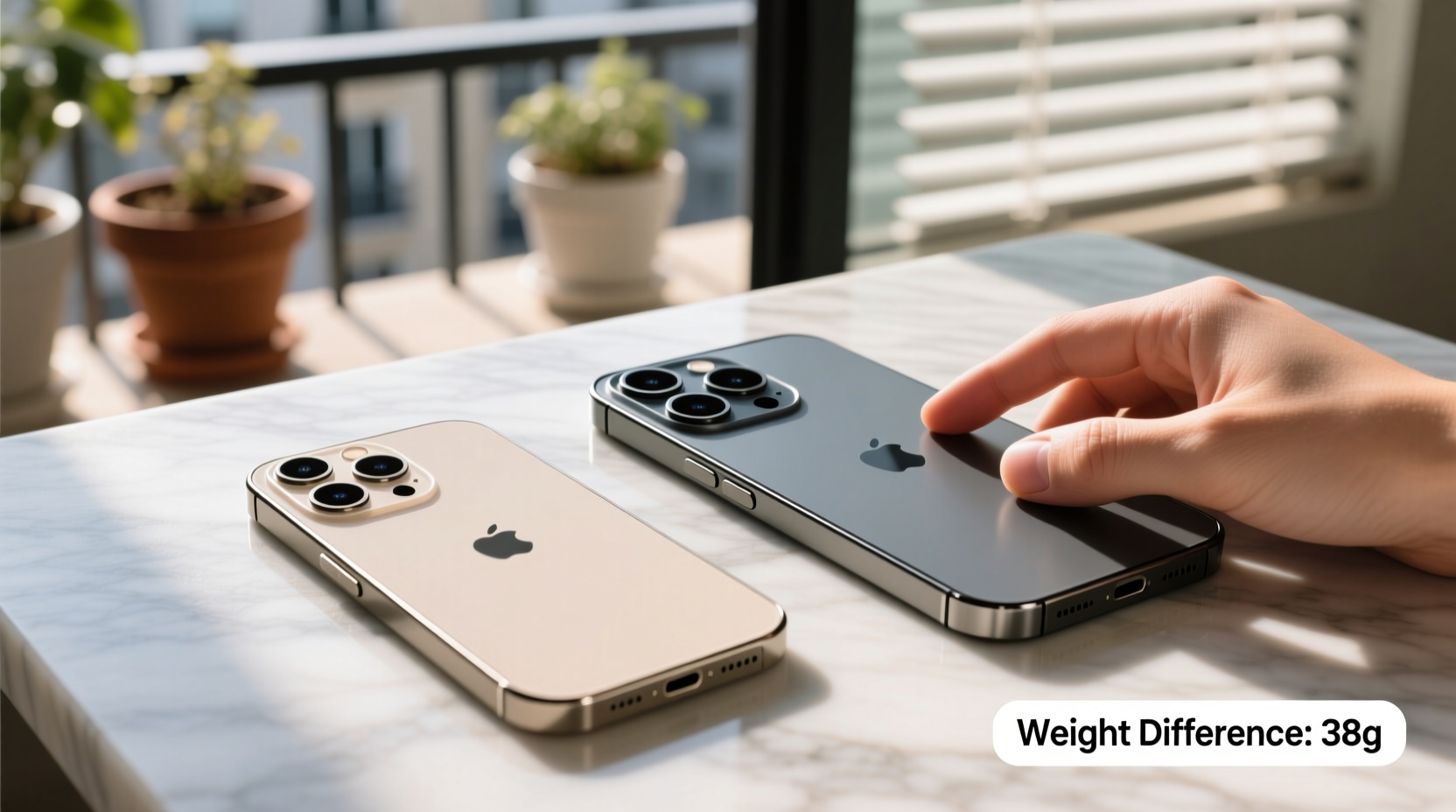
Smartphone ergonomics go beyond aesthetics—they influence how naturally a device fits in your hand and how securely you can hold it during use. The iPhone 14 Pro Max’s larger footprint and added mass require more finger extension and palm coverage to maintain a stable grip. Users with smaller hands may find it harder to reach across the screen without shifting their hold or using both hands.
In contrast, the iPhone 14 Pro, though still large by historical standards, offers better balance for single-hand operation. Its narrower bezels and slightly reduced depth make it easier to navigate apps, type, and swipe without constant repositioning.
Weight Comparison: A Closer Look
| Feature | iPhone 14 Pro | iPhone 14 Pro Max |
|---|---|---|
| Weight | 206 g (7.26 oz) | 240 g (8.47 oz) |
| Dimensions (H×W×D) | 147.5 × 71.5 × 7.85 mm | 160.7 × 77.6 × 7.85 mm |
| Display Size | 6.1 inches | 6.7 inches |
| Battery Life (Video Playback) | Up to 23 hours | Up to 29 hours |
| One-Handed Usability | Moderate to Good | Fair to Poor |
The weight difference isn’t just about raw numbers—it compounds with screen size and overall dimensions. Holding the Pro Max for long stretches, such as reading e-books, watching videos, or scrolling through social media, increases forearm fatigue due to sustained muscle engagement. Over time, this can contribute to discomfort, especially for users prone to repetitive strain.
Real-World Usage Scenarios
“After switching from the Pro Max to the standard Pro, I noticed less shoulder tension after full-day use. It’s subtle, but cumulative.” — Daniel R., Mobile Photographer & Tech Reviewer
Daniel’s experience reflects a common trend among professionals who rely on their phones throughout the day. Consider the following scenarios:
- Commuting: On crowded trains or buses, pulling out a heavier phone requires more effort and balance. The Pro Max feels bulkier in tight spaces.
- Content Creation: Filming vertical video or taking photos often involves holding the phone steady for minutes at a time. The extra weight of the Pro Max leads to faster hand tremors.
- Bedtime Use: Lying on your side and holding the phone above your chest becomes tiring quicker with the Pro Max. Many users report switching back to smaller devices for evening browsing.
- Pocket Carry: In slim jeans or workout gear, the Pro Max protrudes noticeably and can feel unbalanced, increasing the risk of dropping when reaching into pockets.
Mini Case Study: Office Worker Transition
Sarah, a project manager in her mid-30s, used the iPhone 14 Pro Max for three months after upgrading from an iPhone 12. While she appreciated the larger screen for email and document viewing, she began experiencing mild wrist soreness after full workdays spent responding to messages, attending video calls, and managing tasks. After switching to the iPhone 14 Pro, she reported improved comfort and no longer needed to rest her hand during extended use sessions. Her productivity didn’t decline—she simply adapted to a more balanced device.
Battery Life vs. Portability Trade-Off
It’s important to acknowledge what the Pro Max offers in return for its weight: significantly better battery life. Apple rates the Pro Max for up to 29 hours of video playback versus 23 hours on the Pro. For frequent travelers, remote workers, or those who dislike charging midday, this advantage is substantial.
However, the decision hinges on lifestyle. If you charge nightly and have access to power during the day, the Pro’s battery is sufficient for most users. But if you’re consistently away from outlets—hikers, field technicians, or sales reps—the Pro Max’s endurance may justify the heft.
Actionable Checklist: Choosing the Right Model for You
- Assess your average daily usage: Do you spend more than two hours actively using your phone?
- Measure your hand span: Can you comfortably reach the top corners of a 6.7-inch screen?
- Evaluate your carry method: Do you prefer front pockets, small bags, or loose jacket pockets?
- Consider your primary activities: Are you watching videos, gaming, or doing heavy typing?
- Test battery dependency: Do you regularly run out of charge before bedtime?
- Try both devices in person: Visit an Apple Store or authorized retailer to compare weight and grip.
Expert Insight on Long-Term Device Use
“The human hand wasn’t designed to hold dense rectangles for hours. Even small weight differences become significant over time, especially with repeated lifting and tilting motions.” — Dr. Lena Patel, Occupational Therapist Specializing in Digital Ergonomics
Dr. Patel emphasizes that cumulative micro-strain from heavier devices can lead to chronic discomfort, particularly in the thumb, wrist, and forearm. She recommends choosing the lightest device that meets functional needs—especially for individuals with pre-existing joint conditions like arthritis or carpal tunnel syndrome.
FAQ
Is the iPhone 14 Pro Max too heavy for everyday use?
Not inherently—but it depends on individual physiology and habits. Many users adapt quickly, while others find it cumbersome over time, especially for one-handed use or extended holding.
Does the weight affect drop resistance?
Heavier phones gain more momentum when falling, potentially increasing impact force. Combined with the larger surface area, the Pro Max may sustain more damage in certain drop scenarios compared to the lighter Pro.
Can a case make the weight difference worse?
Yes. Adding a rugged or multi-layered case can add 30–50 grams, amplifying the total mass and altering the center of gravity. This effect is more pronounced on the already-heavy Pro Max.
Conclusion: Prioritize Fit Over Features
The iPhone 14 Pro and Pro Max are both exceptional devices, but the weight difference isn’t trivial when evaluated through the lens of daily interaction. While the Pro Max delivers superior battery life and a cinematic display, these benefits come at the cost of portability and long-term comfort. The iPhone 14 Pro, though slightly less powerful in endurance, offers a more balanced experience for most users—especially those who value ease of handling, pocket fit, and reduced physical strain.
Ultimately, smartphone choice should align not just with specs, but with how the device integrates into your life. If you prioritize sustained comfort, agility, and ease of use, the lighter Pro may be the smarter long-term investment—even if the Max looks more impressive on paper.




 浙公网安备
33010002000092号
浙公网安备
33010002000092号 浙B2-20120091-4
Comments
No comments yet. Why don't you start the discussion?