
When you invest in an iPhone 15, one of the first accessories you consider is protection. But not all protective gear is created equal. Between full-coverage cases and minimalist bumpers, consumers face a real trade-off: maximum safety versus sleek design. The question isn’t just about aesthetics—it’s about what actually keeps your phone safe from drops, scratches, and daily wear. Let’s break down the differences between iPhone 15 cases and bumpers, assess their real-world performance, and determine whether a full case truly offers superior protection.
Understanding iPhone 15 Protection Options
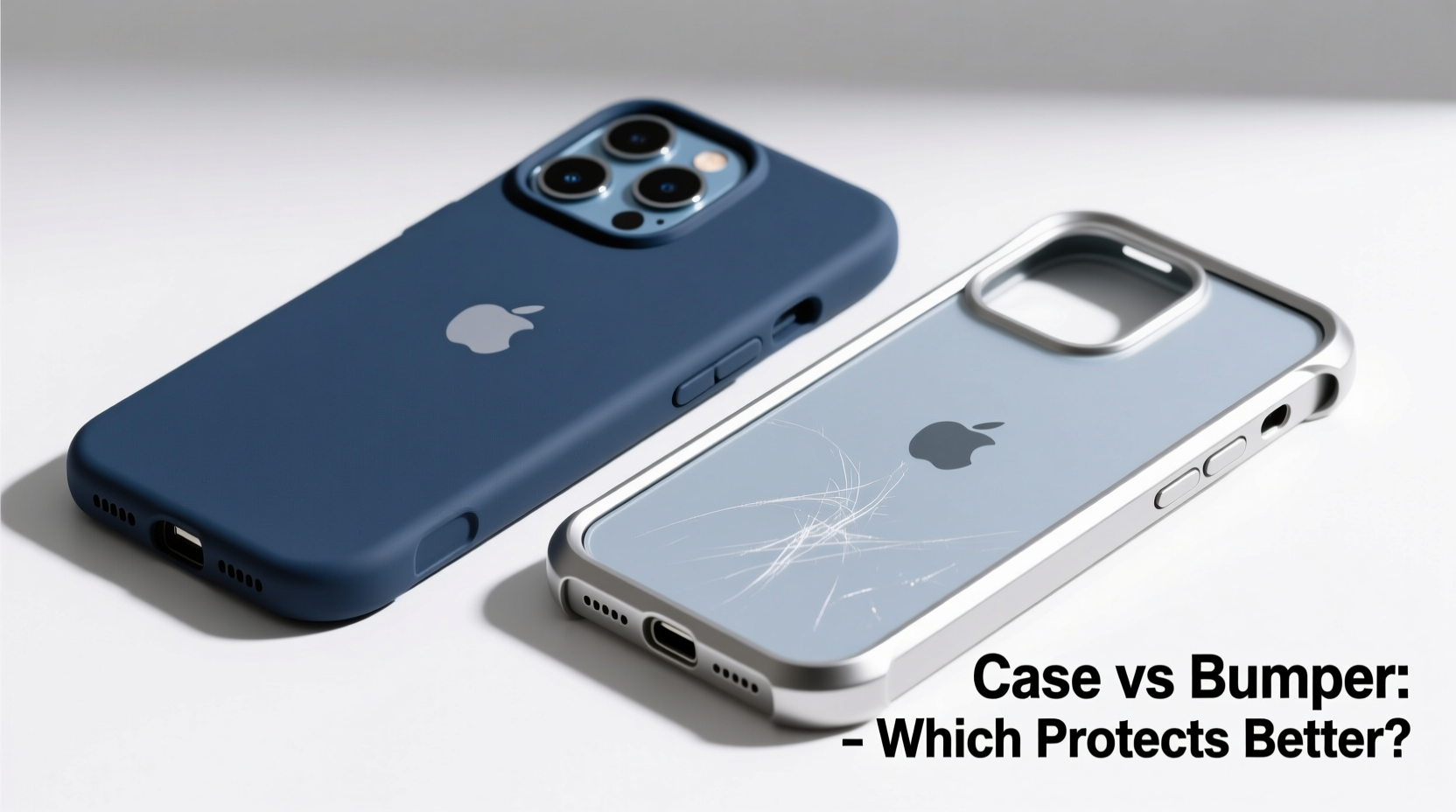
A full phone case wraps around the entire device—back, sides, and often slightly over the front. It typically uses materials like TPU (thermoplastic polyurethane), silicone, or polycarbonate, sometimes with added shock-absorbing layers such as air cushions or reinforced corners. Bumpers, on the other hand, are narrow frames that only cover the edges of the phone, leaving the back and screen exposed. They’re usually made of metal, hard plastic, or rubberized materials designed to absorb impact at critical points.
The fundamental difference lies in coverage. A case shields every surface that commonly hits the ground during a fall. A bumper protects only the perimeter—the part most likely to take initial impact—but leaves the glass back and screen vulnerable. This structural distinction directly affects how each performs under stress.
Drop Test Performance: What the Data Shows
Independent labs and consumer testers have conducted numerous drop simulations comparing full cases and bumpers. In controlled tests from heights of 4 to 6 feet—typical for pocket or hand-level drops—full cases consistently outperform bumpers in preventing damage. Key findings include:
- Full cases reduce the risk of screen cracks by up to 70% compared to bare phones or bumper-only setups.
- Bumpers offer moderate edge protection but do little to prevent back glass shattering when landing flat.
- High-end cases with raised bezels or corner airbags absorb shock more effectively than rigid bumpers.
“While bumpers can mitigate corner impacts, they leave too much surface area unprotected for high-risk environments.” — Dr. Alan Reeves, Materials Engineer at Mobile Durability Labs
In real-world conditions, where surfaces vary from concrete to tile to carpet, the likelihood of landing screen-down or back-first is significant. Without front and rear shielding, bumpers cannot match the comprehensive defense offered by quality cases.
Protection Comparison: Case vs Bumper
| Feature | Full Case | Bumper |
|---|---|---|
| Covers Back Panel | Yes | No |
| Protects Screen from Direct Contact | Yes (if raised bezel) | No |
| Shock Absorption | High (multi-layer designs) | Moderate (edge-focused) |
| Scratch Resistance | Excellent | Limited |
| Weight & Bulk | Higher | Minimal |
| Pocket-Friendly Design | Sometimes | Usually |
| Price Range (Average) | $20–$60 | $15–$40 |
This table highlights a clear pattern: full cases sacrifice slimness for security. For users who prioritize longevity and incident prevention, that trade-off is often worth it. Bumpers appeal to those who value minimalism and tactile access to the phone’s original finish but accept higher risk of cosmetic and structural damage.
Real-World Scenario: A Week Without a Full Case
Consider Sarah, a freelance photographer who switched from a rugged OtterBox case to a brushed aluminum bumper for aesthetic reasons. Over seven days, her iPhone 15 experienced three minor drops: once onto pavement while adjusting camera settings, once off a café table, and once slipped from her coat pocket into a backpack with keys and lenses. By day five, she noticed hairline cracks radiating from the bottom-left corner of the back glass. The screen remained intact, but wireless charging became unreliable due to internal sensor pressure. She also observed micro-scratches across the camera housing—damage a full case would have prevented.
Sarah’s experience reflects a common trend among bumper users: gradual degradation rather than sudden failure. While no catastrophic break occurred, the cumulative effect diminished both resale value and user confidence. After switching back to a hybrid case with reinforced corners, she reported feeling “less anxious” every time she set her phone down.
Choosing Based on Your Lifestyle
Your choice should align with how you use your phone. Ask yourself:
- Do I work outdoors or in high-traffic areas?
- Do I frequently place my phone face-down or toss it into bags?
- Am I willing to repair or replace my phone sooner if it gets damaged?
If you answer “yes” to any of these, a full case is the smarter investment. For office workers or those with careful handling habits, a bumper might suffice—especially if paired with a tempered glass screen protector and a protective pouch when traveling.
Step-by-Step: How to Choose the Right Protection
- Evaluate your environment: High-risk settings (construction sites, gyms, commutes) demand maximum protection.
- Assess past behavior: Have you broken phones before? If yes, opt for a case with MIL-STD drop certification.
- Determine design priorities: Want to show off the iPhone 15’s finish? Consider a transparent case instead of a bumper.
- Check compatibility: Ensure the case or bumper doesn’t interfere with MagSafe charging or camera functionality.
- Test grip and access: Even the best-protected phone is useless if buttons are stiff or ports are blocked.
Frequently Asked Questions
Can a bumper protect against screen cracks?
Not directly. Most bumpers don’t extend above the screen, so if the phone lands face-down, the display absorbs the full impact. Only cases with raised lips provide meaningful screen protection.
Are full cases bad for heat dissipation?
Modern cases use thermally efficient materials and thin profiles that don’t significantly trap heat during normal use. However, heavy gaming or prolonged video recording may benefit from less insulation. In general, thermal concerns are minimal.
Do bumpers affect signal strength?
Most bumpers are non-conductive or designed to avoid antenna lines, so they rarely interfere with Wi-Fi, GPS, or cellular signals. Metal bumpers with poor design can cause issues, but reputable brands test for RF compatibility.
Final Recommendation: Prioritize Long-Term Value Over Minimalism
A full iPhone 15 case does offer significantly better protection than a bumper. It guards against drops, scratches, and everyday abrasion across all surfaces. While bumpers preserve the phone’s sleek look and reduce weight, they leave too many vulnerabilities exposed for most users. Unless you handle your device with extreme care and accept the risk of cosmetic wear, a well-designed case is the logical choice for preserving both function and value.
Technology evolves quickly, but replacing a cracked iPhone 15 costs hundreds of dollars and creates electronic waste. Investing $30–$50 in reliable protection isn’t just practical—it’s responsible. Whether you choose a rugged dual-layer case or a slim transparent model, know that you’re adding a crucial layer of defense between your device and the unpredictable world.




 浙公网安备
33010002000092号
浙公网安备
33010002000092号 浙B2-20120091-4
Comments
No comments yet. Why don't you start the discussion?