
The iPhone 15 Pro Max is Apple’s largest and most advanced smartphone, built for power users, creatives, and professionals on the move. With its premium price tag and sleek titanium design, protecting it properly is non-negotiable. While most people stick with minimalist silicone or clear cases, a growing number are opting for cases with integrated straps—wrist loops, lanyard attachments, or shoulder-style bands. But is this shift practical, or just a trend? For those considering ditching the standard case, the answer depends on lifestyle, usage patterns, and personal priorities.
Why Consider a Strap Case?
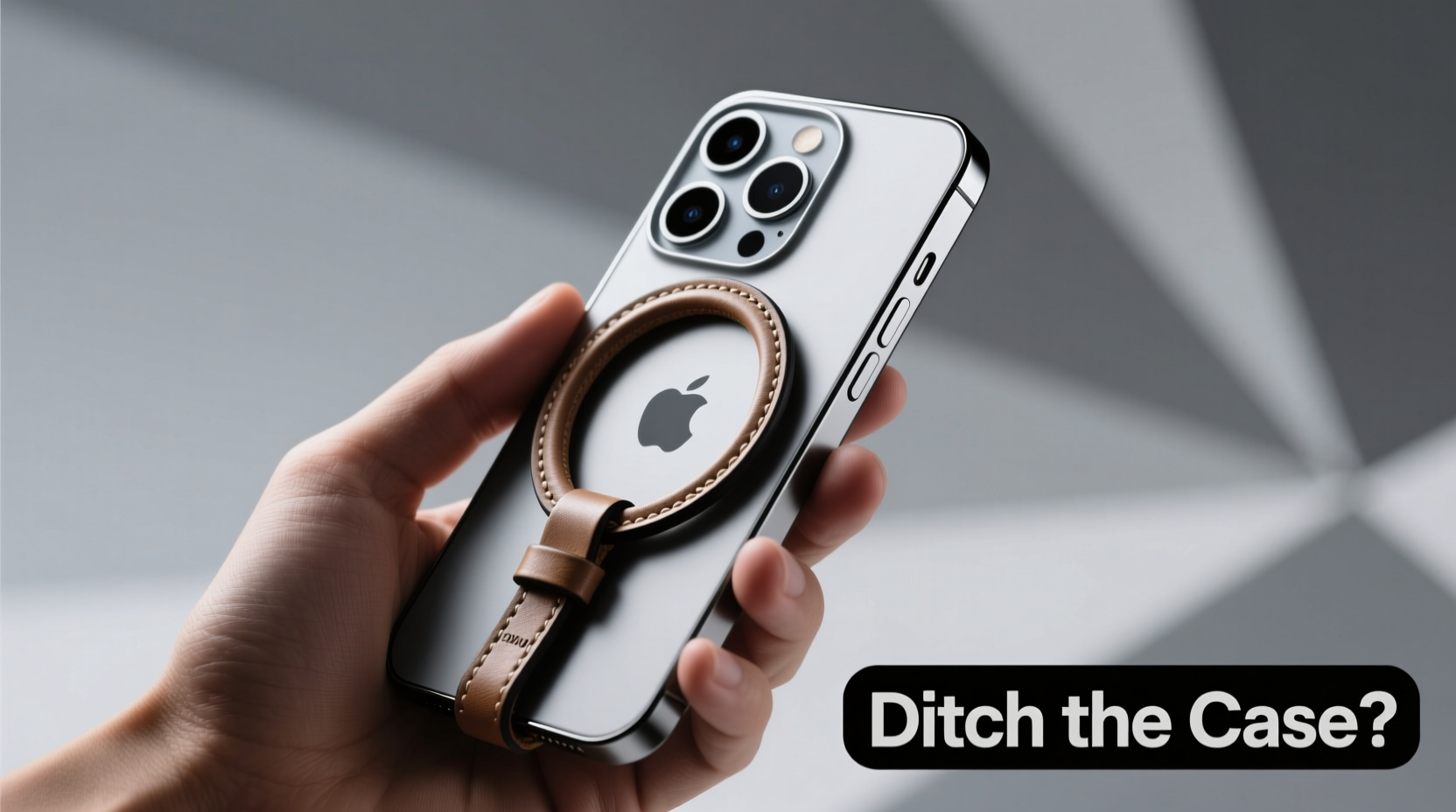
The appeal of a strap-equipped case goes beyond aesthetics. It introduces a new layer of physical security and functional versatility. The iPhone 15 Pro Max weighs 221 grams—significantly heavier than previous models—and its smooth edges make it prone to slipping from hands, especially when using one hand while walking or commuting. A strap mitigates that risk by acting as a physical tether.
For photographers, travelers, parents, and urban commuters, dropping a phone can mean more than inconvenience—it can mean data loss, repair costs, or missed opportunities. A wrist strap ensures the device stays within reach even during sudden movements. Moreover, in crowded environments like concerts or subways, having your phone secured reduces the risk of theft or accidental loss.
Design and Usability Trade-offs
While functionality improves, design compromises often follow. Most strap-integrated cases add bulk, alter the phone’s profile, and may interfere with MagSafe accessories or wireless charging alignment. Some designs position the strap attachment at the corners, creating awkward pressure points when held. Others integrate the strap into a rugged bumper-style case, which protects well but diminishes the iPhone’s premium feel.
Material choice also matters. Silicone strap cases tend to be lightweight but offer minimal drop protection. TPU or polycarbonate hybrids with reinforced corners provide better impact resistance but can feel industrial. Leather strap cases exist but are rare due to structural limitations—attaching a durable strap to leather without compromising integrity requires expert craftsmanship.
Another consideration is strap adjustability. Fixed-length wrist loops may be too tight or too loose depending on clothing or activity. Adjustable or detachable straps offer flexibility, letting users switch between carry modes—wrist, neck, or shoulder—depending on the situation.
Real-World Use: A Day in the Life
“After switching to a strap case, I stopped checking my pocket every five minutes. It’s reassuring knowing my phone won’t fall into a subway grate.” — Jordan Lee, freelance videographer
Jordan, who films cityscapes and street interviews across New York, used to rely on a slim Apple silicone case. During a shoot near Times Square, his phone slipped from his hand while adjusting settings and shattered on the pavement. After replacing it, he invested in a rugged OtterBox Defender-style case with a detachable wrist strap.
Now, he shoots handheld video while walking, uses voice memos during interviews, and navigates crowded areas without anxiety. The strap allows him to set the phone down momentarily on a ledge or hang it from his wrist while adjusting gear. “It’s not just about protection,” he says. “It’s about workflow freedom.”
This scenario reflects a broader trend: professionals and active users benefit most from strap integration. Casual users who keep their phones on desks or in bags may find the added hardware unnecessary.
Comparison: Standard Case vs. Strap Case
| Feature | Standard Case | Strap Case |
|---|---|---|
| Drop Protection | Moderate (depends on material) | High (often rugged design) |
| Portability | Excellent (slim, pocket-friendly) | Good (bulkier, strap adds weight) |
| Dropping Risk | Higher (no physical retention) | Lower (strap prevents falls) |
| MagSafe Compatibility | Usually preserved | Sometimes obstructed |
| Versatility | Low (single use) | High (wearable, hangable, secure) |
| Aesthetic Appeal | High (clean, matches Apple design) | Variable (some look utilitarian) |
Key Features to Look for in a Quality Strap Case
Not all strap cases are created equal. To ensure you’re getting value, focus on these critical elements:
- Secure Attachment Points: Straps should connect via metal-reinforced anchors, not plastic clips that degrade over time.
- Adjustable or Detachable Strap: Allows customization based on activity—remove it when not needed or reconfigure for different carry styles.
- Precise Cutouts: Ensure full access to ports, buttons, and the Dynamic Island without obstruction.
- Wireless Charging Compatibility: The case should allow Qi2 and MagSafe charging without removal.
- Drop Rating: Look for MIL-STD-810G certification or equivalent third-party testing for impact resistance.
Step-by-Step: Choosing the Right Strap Case
- Assess Your Daily Routine: Do you walk often? Use your phone while moving? Work outdoors? High-motion lifestyles benefit most from straps.
- Determine Carry Preference: Wrist, hand, neck, or shoulder? Choose a case compatible with your preferred method.
- Check Material Durability: Prioritize TPU, polycarbonate, or hybrid builds with shock-absorbing corners.
- Verify Access & Functionality: Confirm camera, button, and charging access. Test with your MagSafe wallet or charger if applicable.
- Read User Reviews: Focus on long-term feedback about strap durability and case fit over time.
- Consider Aesthetics: Match the case style to your personal or professional image—some brands offer sleeker, minimalist strap options.
Frequently Asked Questions
Can a strap case damage my iPhone 15 Pro Max over time?
No, if the case is well-designed. Poorly made cases with weak attachment points may cause stress on the frame, but reputable brands engineer their products to distribute force evenly and protect the device.
Do strap cases interfere with signal or GPS?
Generally, no. Modern materials used in quality cases do not block cellular, Wi-Fi, or GPS signals. However, avoid cases with metallic components unless explicitly tested for RF transparency.
Are strap cases suitable for everyday pocket use?
They can be, but they’re less ideal. The strap may catch on fabric or make the phone harder to insert and remove. For pure pocket use, a standard case remains more convenient.
Final Verdict: Is It Worth It?
Ditching the standard case for a strap-equipped alternative isn’t a universal upgrade—it’s a strategic shift based on how you use your iPhone 15 Pro Max. If your day involves constant movement, one-handed operation, or high-risk environments (crowds, travel, outdoor work), then yes, a strap case is absolutely worth the trade-offs. The peace of mind, reduced drop risk, and enhanced usability outweigh the slight increase in bulk.
However, if you primarily use your phone at a desk, in controlled environments, or value minimalism above all, the standard case still holds merit. It preserves the iPhone’s elegant design, fits effortlessly in pockets, and works seamlessly with Apple’s ecosystem of accessories.
“The right case doesn’t just protect your phone—it adapts to your life.” — Dana Ruiz, Mobile Device Ergonomics Researcher at TechWell Labs
Take Action Today
Don’t let convenience come at the cost of security. Evaluate your daily habits: how often do you nearly drop your phone? How much would a repair or replacement cost you in time and money? If the answer gives you pause, it’s time to consider a smarter solution. Explore reputable strap case brands like Moment, Catalyst, or UAG, test their designs, and choose one that aligns with your lifestyle. Your iPhone 15 Pro Max is a powerful tool—protect it like the investment it is.




 浙公网安备
33010002000092号
浙公网安备
33010002000092号 浙B2-20120091-4
Comments
No comments yet. Why don't you start the discussion?