
For many smartphone users, video recording isn’t just a feature—it’s a primary function. Whether capturing family moments, creating social media content, or filming travel adventures, the quality of your phone’s camera can make or break the experience. With Apple’s release of the iPhone 15 series, many iPhone 13 owners are asking: is upgrading really worth it for better video quality? The answer depends on how you use your phone, what you value in video performance, and whether incremental improvements justify the cost.
Camera Hardware Evolution: From iPhone 13 to iPhone 15
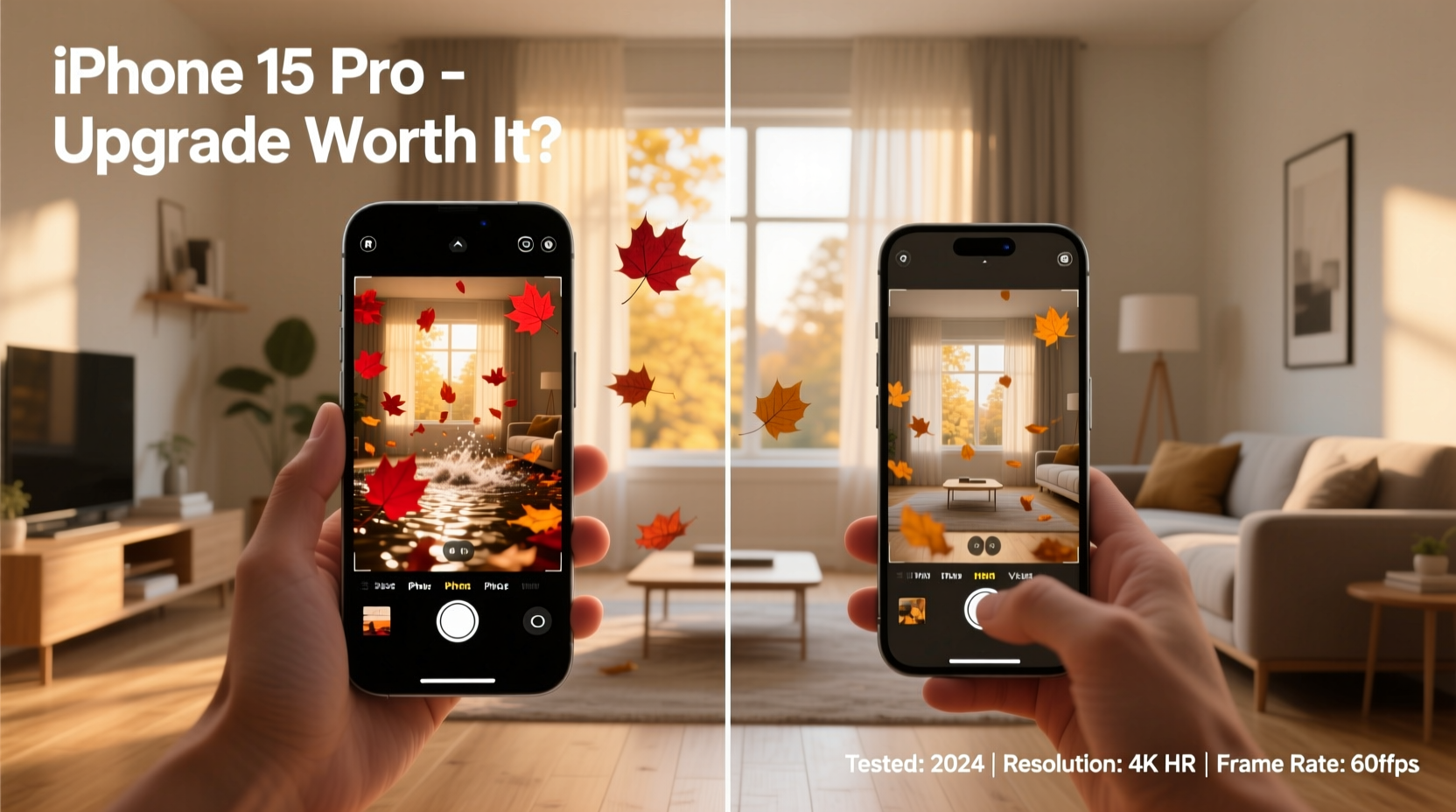
The iPhone 13 introduced significant camera upgrades at the time, including Sensor Shift stabilization in the main camera and improved low-light performance. It supports 4K video at 60fps across all rear cameras, with Dolby Vision HDR recording—a standout feature that gave Apple a clear edge in mobile cinematography.
The iPhone 15, particularly the Pro models, takes this further. The base iPhone 15 now features a 48MP main sensor (up from 12MP), though it defaults to pixel-binned 12MP shots for everyday use. This larger sensor captures more light and detail, especially noticeable in dynamic range and texture retention. The ultra-wide camera also sees improvements in low-light clarity, reducing noise in darker scenes.
On the Pro models, the leap is even greater. The iPhone 15 Pro includes a next-generation image signal processor, enhanced computational photography, and a new tetraprism telephoto lens with up to 5x optical zoom. But most critically for videographers, it introduces Log encoding and ProRes video recording directly to external SSDs via USB-C—features previously limited to professional cinema gear.
Video Quality Comparison: Real-World Performance
In side-by-side tests, the differences between iPhone 13 and iPhone 15 video become apparent under scrutiny. While both record excellent 4K footage with accurate colors and reliable stabilization, the iPhone 15 consistently outperforms its predecessor in three key areas: dynamic range, autofocus responsiveness, and low-light clarity.
Apple’s Photonic Engine and Smart HDR 5 work harder on the iPhone 15, analyzing scenes in real time to balance exposure and reduce blown-out skies or murky shadows. Autofocus transitions are smoother when switching between subjects, thanks to faster neural engine processing. In dimly lit indoor settings or nighttime cityscapes, the iPhone 15 retains cleaner details and less digital grain.
One subtle but impactful upgrade is audio recording. The iPhone 15 features updated microphones with better wind suppression and spatial audio capture. For vloggers or filmmakers using the phone’s built-in mic, this means clearer dialogue and more immersive soundscapes.
“Even small gains in sensor size and processing speed translate into meaningful improvements in video fidelity, especially when editing footage.” — David Lin, Mobile Cinematography Instructor at NYFA
Key Upgrades That Impact Video Use
| Feature | iPhone 13 | iPhone 15 |
|---|---|---|
| Main Camera Resolution | 12MP | 48MP (pixel-binned to 12MP default) |
| Dynamic Range | Dolby Vision HDR (up to 4K 60fps) | Enhanced HDR with better highlight/shadow control |
| Low-Light Performance | Solid, with Night mode video | Improved sensor + processing = cleaner night footage |
| Zoom Capabilities | 2x optical zoom (digital beyond) | Pro model: 5x optical zoom; better digital zoom quality |
| External Recording | No support | ProRes to SSD via USB-C (Pro models) |
| Audio Capture | Good stereo recording | Improved mics with reduced wind noise |
Real Example: A Travel Vlogger’s Experience
Sophia, a full-time travel content creator based in Vancouver, upgraded from an iPhone 13 Pro to an iPhone 15 Pro in early 2024. She films 3–4 videos per week, often in variable lighting—from misty rainforests to bright alpine snowfields.
“The first thing I noticed was how much more flexibility I had in post,” she said. “Shooting in Log on the 15 Pro let me grade my footage like I would with a DSLR. On the 13, I was always fighting crushed shadows in mountain scenes. Now, I recover details I didn’t even know were there.”
She also praised the USB-C port. “I shot a 40-minute interview in 4K ProRes and saved it directly to a portable SSD. No compression, no transcoding hassles. That alone saves me hours of workflow each week.”
However, she noted that casual viewers might not see the difference. “If you’re just posting vertical clips to Instagram Stories, the iPhone 13 still looks great. But if you’re serious about content creation, the 15 Pro is a tool upgrade, not just a phone upgrade.”
Is the Upgrade Worth It? A Practical Checklist
Before deciding whether to upgrade, consider your usage patterns. Here’s a checklist to help evaluate if the iPhone 15 offers meaningful benefits over the iPhone 13:
- Do you edit video professionally or semi-professionally?
- Do you often shoot in low-light conditions (e.g., indoors, evenings)?
- Are you frustrated by limited dynamic range in bright or dark scenes?
- Would external SSD recording streamline your workflow?
- Do you rely on digital zoom for distant subjects?
- Are you still satisfied with your iPhone 13’s performance?
If you answered “yes” to the first four questions, the iPhone 15—especially the Pro model—is likely worth the investment. If you mostly shoot casual videos and share them directly, the iPhone 13 remains highly capable.
Frequently Asked Questions
Can the iPhone 15 shoot better slow-motion video than the iPhone 13?
Both phones support 1080p slow motion at 120fps and 240fps. However, the iPhone 15 applies better stabilization and color consistency during playback, making clips look smoother and more cinematic. The improvement is subtle but noticeable in action sequences.
Does the iPhone 15 have better video stabilization than the iPhone 13?
Yes. While both use Sensor Shift stabilization in the main camera, the iPhone 15 combines it with improved algorithmic corrections and motion prediction. In handheld walking shots or moving vehicles, the footage is noticeably steadier, with fewer jitters and rolling shutter effects.
Is the front camera better for vlogging on the iPhone 15?
Absolutely. The iPhone 15 features a 12MP front camera with autofocus and wider field of view options. When recording FaceTime-style vlogs, subjects stay sharply focused even when moving closer or farther from the lens—something the fixed-focus iPhone 13 struggles with.
Final Verdict: Who Should Upgrade?
The iPhone 13 remains one of Apple’s best-balanced smartphones, and its video capabilities are still excellent for most users. If you're happy with your current results and don’t need advanced features like ProRes or external recording, holding onto your iPhone 13 is both practical and economical.
But for creators, professionals, or anyone pushing the limits of mobile filmmaking, the iPhone 15—particularly the Pro models—delivers tangible upgrades. The combination of a larger sensor, smarter processing, enhanced audio, and pro-grade recording formats makes it a legitimate step toward hybrid photography/videography tools.
Ultimately, the decision isn’t just about pixels or specs. It’s about whether the new capabilities align with your creative goals. For some, the upgrade is essential. For others, it’s simply nice to have.




 浙公网安备
33010002000092号
浙公网安备
33010002000092号 浙B2-20120091-4
Comments
No comments yet. Why don't you start the discussion?