
For many Android users, the Galaxy S21 was a turning point—a device that offered flagship performance at a competitive price. Released in early 2021, it delivered excellent camera capabilities, smooth software, and solid build quality. Fast forward to 2024, and Apple’s iPhone 15 has taken center stage with its refined design, advanced camera system, and new USB-C port. But if you’re still using an S21, is switching to the iPhone 15 truly worthwhile? The answer depends on what you value most in a smartphone: ecosystem integration, long-term software support, camera evolution, or raw performance.
Performance and Hardware Evolution
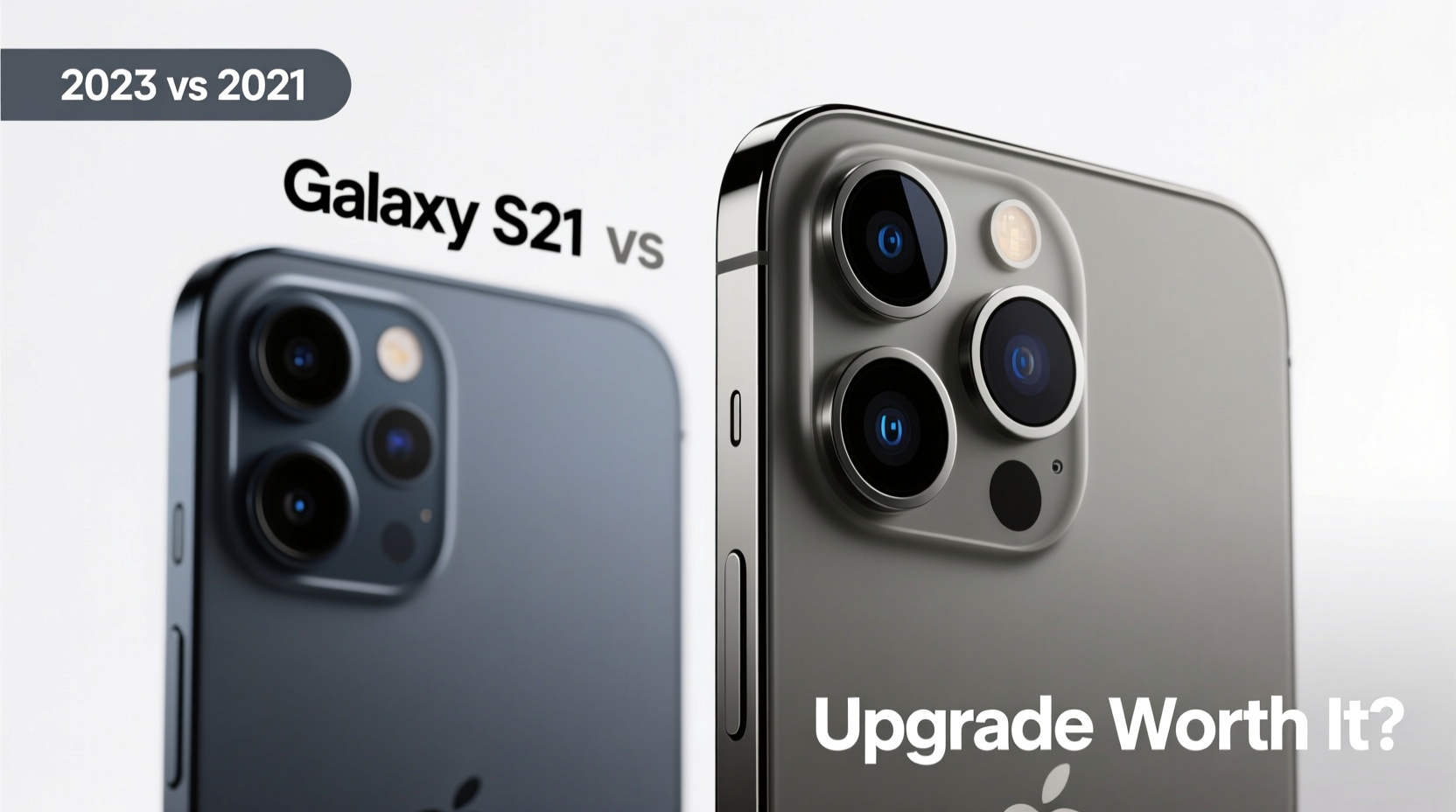
The Galaxy S21 launched with the Qualcomm Snapdragon 888 (or Exynos 2100 in some regions), a powerful chipset for its time. It handled multitasking, gaming, and everyday use with ease. However, the chip was known for thermal throttling under sustained load, especially in warmer climates. By today’s standards, it remains capable but shows signs of aging when running newer, more demanding apps.
In contrast, the iPhone 15 features Apple’s A16 Bionic chip—originally introduced in the iPhone 14 Pro but now standard across the base iPhone 15 lineup. Built on a 4nm process, the A16 delivers superior efficiency and performance. Real-world benchmarks show it outperforming the S21’s chipset by up to 60% in CPU tasks and nearly double in GPU-intensive applications like video editing and mobile gaming.
Apple’s tight integration between hardware and software allows iOS to leverage the full potential of the A16, resulting in smoother animations, faster app launches, and better background task management. For users who keep their phones for three to four years, this performance delta could mean the difference between a sluggish experience in 2027 versus a still-responsive one.
Camera Comparison: Innovation vs. Consistency
The Galaxy S21 featured a versatile triple-camera setup: a 12MP main sensor, a 64MP telephoto, and a 12MP ultrawide. Samsung’s image processing prioritized dynamic range and vibrant colors, making photos pop—especially in daylight. Low-light performance was decent, though grainy in darker environments.
The iPhone 15 introduces a 48MP main sensor, a significant leap over previous base models. While Apple doesn’t chase megapixel counts for marketing, the higher resolution enables better detail capture and improved digital zoom. Combined with computational photography features like Smart HDR 5 and Photonic Engine, the iPhone produces more natural-looking images with accurate skin tones and balanced exposure.
Video recording is where the iPhone pulls ahead decisively. With Dolby Vision HDR support at up to 4K/60fps, the iPhone 15 captures cinematic footage that the S21 simply can’t match. The S21 supports 8K video, which sounds impressive on paper, but lacks stabilization and color grading sophistication in practice.
“Apple’s focus on video quality gives creators a reliable tool straight out of the box.” — Mark Tran, Mobile Photographer & Tech Reviewer
Photo Quality Breakdown
| Feature | Galaxy S21 | iPhone 15 |
|---|---|---|
| Main Sensor | 12MP, f/1.8 | 48MP, f/1.6 |
| Ultrawide | 12MP, f/2.2 | 12MP, f/2.2 |
| Telephoto | 64MP, 3x hybrid zoom | 12MP, 2x optical zoom |
| Low-Light Performance | Moderate noise reduction | Advanced Night mode + fusion |
| Video Recording | 8K@24fps, 4K@60fps | 4K@60fps with Dolby Vision HDR |
Battery Life and Charging: Efficiency Matters
The Galaxy S21 packs a 4,000mAh battery. In real-world usage, this typically lasts a full day with moderate use, but heavy users often need a midday charge. It supports 25W fast charging and 15W wireless charging, which were strong specs in 2021.
The iPhone 15, despite having a slightly smaller physical battery (~3,349mAh), benefits from the A16’s power efficiency and iOS optimization. Apple claims up to 20 hours of video playback, and user reports confirm it consistently outlasts the S21 in mixed usage scenarios. However, charging speeds remain conservative: 20W wired (USB-C) and MagSafe-compatible 15W wireless.
One notable upgrade: the iPhone 15 finally ditches Lightning for USB-C, aligning with modern standards. This means faster data transfer (up to USB 2.0 speeds) and compatibility with existing cables used by many Android devices, laptops, and accessories.
Ecosystem and Software Longevity
This is where the decision becomes less about specs and more about lifestyle. If you're already invested in Apple’s ecosystem—using a Mac, iPad, AirPods, or Apple Watch—the iPhone 15 offers seamless integration. Features like AirDrop, Universal Clipboard, Handoff, and iMessage continuity create a frictionless experience that Android struggles to replicate.
Software support is another critical factor. Samsung provides four major Android OS updates and five years of security patches for the S21—excellent by Android standards. But Apple routinely supports iPhones for five to six years, sometimes longer. The iPhone 15 will likely receive iOS updates until 2029 or beyond, ensuring access to future features, security improvements, and app compatibility.
iOS also tends to run more smoothly over time due to stricter app optimization requirements and consistent hardware design. Many S21 owners report increased lag after multiple OS updates, while iPhones maintain responsiveness longer.
Real-World Scenario: Should You Upgrade?
Consider Sarah, a freelance graphic designer who bought her Galaxy S21 in March 2021. She uses her phone daily for client communication, photo editing, and social media posting. Over time, she noticed her apps take longer to open, battery drains faster during back-to-back Zoom calls, and the camera struggles in dimly lit cafes.
After testing an iPhone 15 at a store, she was impressed by how quickly Photoshop Express loaded, how crisp her portfolio photos looked, and how easily she could AirDrop files to her MacBook. The switch meant relearning gestures and adjusting to iMessage, but the long-term benefits—especially reliability and ecosystem synergy—made the transition worthwhile.
Sarah’s case illustrates a common tipping point: when your current device starts hindering productivity rather than enabling it, an upgrade makes sense—even across platforms.
Upgrade Checklist: Are You Ready?
- Assess your current phone’s performance: Does it lag or crash often?
- Evaluate battery health: Does it die before bedtime with light use?
- Check software status: Is your phone still receiving updates?
- Determine ecosystem needs: Do you use Apple devices regularly?
- Compare costs: Factor in trade-in value, carrier deals, and accessory reuse.
Frequently Asked Questions
Can I transfer my data from Galaxy S21 to iPhone 15 easily?
Yes. Apple’s “Move to iOS” app guides Android users through transferring contacts, messages, photos, calendars, and Google account data during initial setup. Some third-party apps may require manual reinstallation, but core data moves seamlessly.
Is the iPhone 15 waterproof like the S21?
Both phones have IP68 ratings, meaning they can survive submersion in up to 6 meters of water for 30 minutes. However, water resistance degrades over time, so neither should be intentionally submerged regularly.
Will my Galaxy Buds work with the iPhone 15?
Yes, but with limited functionality. They’ll connect via Bluetooth for audio playback, but features like quick pairing, firmware updates, and ambient sound modes won’t work without Samsung’s Wearable app, which isn’t available on iOS.
Final Verdict: Is the Upgrade Worth It?
If your Galaxy S21 still performs well, has good battery life, and meets your daily needs, holding off on an upgrade is perfectly reasonable. The S21 remains a competent device in 2024 for casual users.
However, if you value long-term reliability, superior camera processing, tighter ecosystem integration, and future-proof software support, the iPhone 15 represents a meaningful step forward. The shift from Android to iOS requires adjustment, but for many professionals and multi-device users, the payoff in efficiency and longevity justifies the change.
Technology upgrades aren’t just about newer specs—they’re about enhancing how you live and work. If the iPhone 15 aligns better with your habits and goals, then yes, it’s worth upgrading.




 浙公网安备
33010002000092号
浙公网安备
33010002000092号 浙B2-20120091-4
Comments
No comments yet. Why don't you start the discussion?