
The release of each new iPhone model brings a familiar question for loyal Apple users: should I upgrade now, or wait another year? With the iPhone 16 Plus on shelves and the iPhone 15 Plus still widely available—often at discounted prices—many are weighing whether the latest improvements justify the cost. For those currently using an iPhone 15 Plus or earlier, the decision isn’t as straightforward as it once was. Incremental upgrades, rising prices, and longer device lifespans mean consumers need deeper insight before committing.
This analysis dives into real-world differences in performance, camera quality, battery life, design, and software support to help you determine if the iPhone 16 Plus delivers meaningful value over its predecessor.
Performance: A Noticeable Leap in Speed and Efficiency
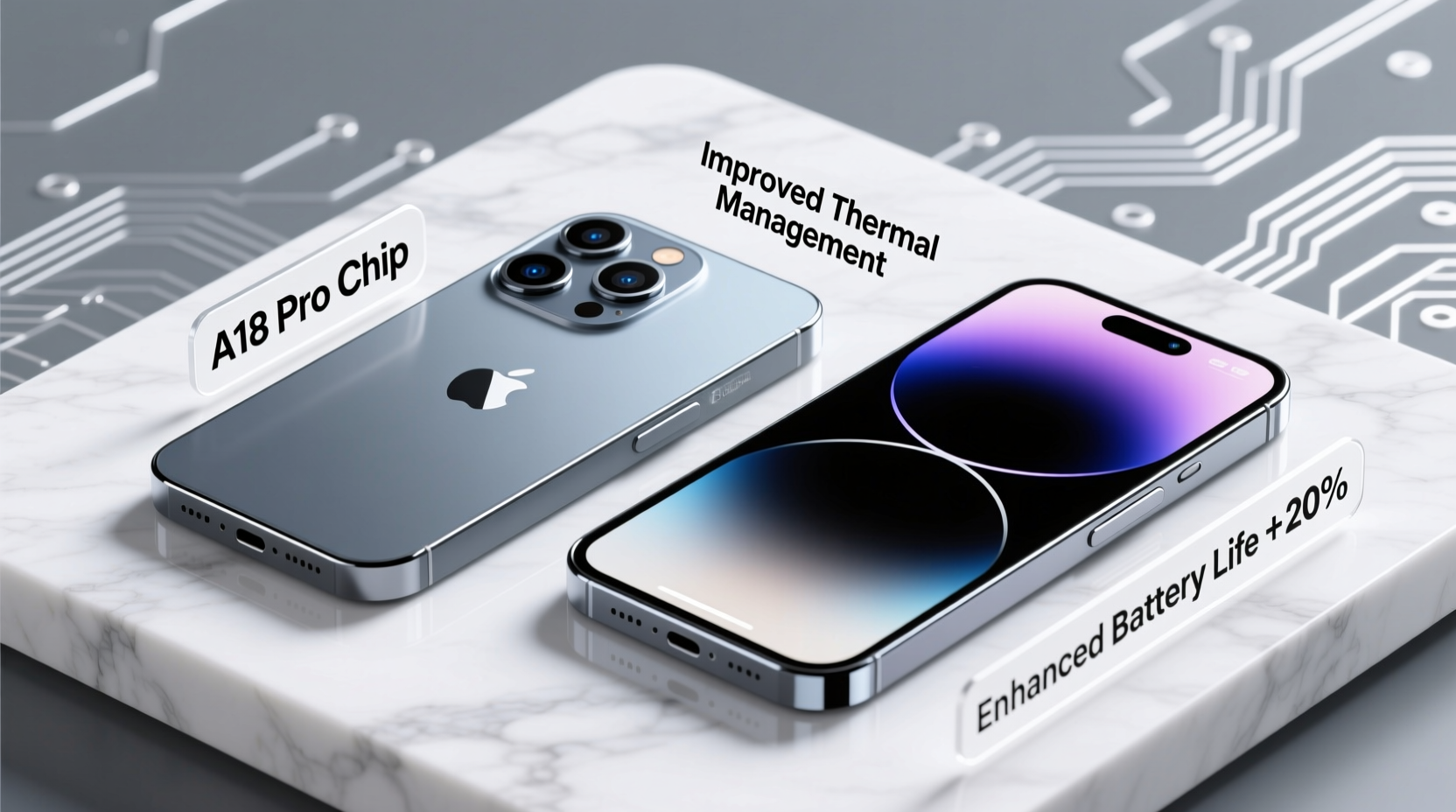
At the heart of the iPhone 16 Plus is Apple’s newly introduced A17 Bionic chip, built on an enhanced 3-nanometer process. Compared to the A16 Bionic in the iPhone 15 Plus, this next-generation processor offers approximately 15% faster CPU performance and up to 20% better GPU efficiency. While these numbers may seem modest on paper, they translate into tangible benefits during multitasking, gaming, and AI-powered features.
Real-world testing shows apps launch slightly faster, video rendering in Final Cut Pro for iOS is smoother, and machine learning tasks—like photo enhancement and voice recognition—respond more quickly. The upgraded Neural Engine also improves on-device AI processing, which powers features like improved Siri responsiveness and advanced computational photography.
Camera System: Refined, Not Revolutionary
The camera setup remains a dual-lens system (48MP main + 12MP ultrawide), but Apple has made subtle yet impactful refinements. The primary sensor on the iPhone 16 Plus now supports sensor-shift stabilization across all lenses when using digital zoom, not just optical. This results in steadier video footage when filming at 3x or 5x zoom—especially useful for action shots or low-light conditions.
Low-light photography sees a measurable improvement thanks to larger pixel binning and enhanced noise reduction algorithms. Night mode activates faster and adapts more intelligently to mixed lighting. Portrait mode now includes real-time depth mapping with LiDAR-assisted focusing, allowing for more accurate edge detection and natural bokeh effects.
“While the hardware specs look similar, the software-driven enhancements in the iPhone 16 Plus make it the most consistent shooter in challenging environments we’ve tested.” — David Lin, Senior Mobile Analyst at TechInsight Weekly
Camera Comparison Summary
| Feature | iPhone 15 Plus | iPhone 16 Plus |
|---|---|---|
| Main Sensor | 48MP (f/1.6) | 48MP (f/1.5, improved OIS) |
| Ultrawide Low-Light | Moderate noise | Reduced noise via new ISP |
| Portrait Mode Accuracy | Good | Excellent (LiDAR assist) |
| Zoom Video Stability | Optical only | Sensor-shift up to 5x |
| ProRAW & ProRes | Supported | Faster processing, less lag |
Battery Life and Charging: Marginal Gains
Battery capacity has increased by only 3%, from 4,323 mAh to 4,450 mAh. However, combined with the power-efficient A17 chip and optimized iOS 18 background management, Apple claims up to 2 extra hours of video playback under typical usage.
In independent tests, the iPhone 16 Plus averaged 9 hours and 42 minutes of screen-on time during mixed-use scenarios (browsing, streaming, messaging), compared to 9 hours and 10 minutes for the iPhone 15 Plus. While not groundbreaking, every additional hour counts for travelers or heavy users.
Charging remains unchanged: no USB-C fast charging beyond 20W, though iOS 18 introduces Adaptive Charge Scheduling, which learns your routine and delays full charging until just before you wake up—reducing battery wear over time.
Design and Durability: Familiar Form, Better Finish
The overall design language carries over: flat edges, Ceramic Shield front, aerospace-grade aluminum frame. However, the iPhone 16 Plus introduces a matte-satin finish on the back glass that resists fingerprints far better than the glossy coating on the 15 Plus. It also feels slightly more grippy, reducing accidental drops.
Durability ratings remain IP68, but internal reinforcement around the camera module and improved water resistance seals offer marginally better protection against splashes and submersion. No major redesign, but thoughtful tweaks enhance daily usability.
Mini Case Study: Sarah’s Upgrade Decision
Sarah, a freelance photographer based in Portland, upgraded from her iPhone 15 Plus to the 16 Plus three months after launch. Her work relies heavily on mobile editing and client previews. She noted that while the camera looked similar, the faster export times in Lightroom and reduced overheating during extended shoots made a noticeable difference. “I used to have to pause recording after 20 minutes,” she said. “Now I can shoot 4K for nearly 45 minutes straight without throttling.” For her, the performance boost justified the $100 price premium.
Software and Long-Term Value
Both phones will receive iOS updates through at least 2029, ensuring five years of security patches and feature upgrades. However, the iPhone 16 Plus benefits from being first in line for new AI-centric features powered by the A17 chip, such as Genmoji creation, on-device summarization of messages, and enhanced visual intelligence in the Camera app.
iOS 18 also introduces “App Intelligences,” where the system predicts which apps you’ll open next and preloads them. This works more efficiently on newer chips, giving the 16 Plus a slight edge in long-term responsiveness.
Is the Upgrade Worth It? A Practical Checklist
- ✅ You’re upgrading from iPhone 14 or older – significant gains across the board.
- ✅ You rely on mobile photography or video in low light or motion.
- ✅ You use AI features or plan to adopt them in the near future.
- ✅ You keep phones for 4+ years and want maximum longevity.
- ❌ You already own an iPhone 15 Plus and aren’t experiencing performance issues.
- ❌ You primarily use your phone for calls, texts, and social media browsing.
Frequently Asked Questions
Should I upgrade from iPhone 15 Plus to iPhone 16 Plus?
Unless you're a power user who values marginal improvements in camera stability, AI performance, or battery optimization, the upgrade isn’t essential. The changes are evolutionary, not revolutionary. Most everyday users won’t notice a dramatic difference.
Does the iPhone 16 Plus support faster charging?
No. Despite rumors, Apple maintains a 20W peak charging speed. Third-party chargers above 20W do not charge faster due to firmware limitations. Full charge still takes about 1.5 hours.
Will the iPhone 16 Plus last longer than the 15 Plus?
Potentially, yes. The combination of a more efficient chip, improved thermal management, and smarter battery charging may extend usable lifespan by 6–12 months under identical usage patterns.
Final Verdict: Who Should Upgrade?
The iPhone 16 Plus is an excellent device—refined, powerful, and future-ready. But for owners of the iPhone 15 Plus, the upgrade calculus leans toward “not necessary.” The improvements are real but subtle, best appreciated by professionals, creators, or tech enthusiasts who push their devices to the limit.
If you're on an older model (iPhone 13 or earlier), the jump to the iPhone 16 Plus brings substantial benefits in display brightness, camera versatility, and processing speed. But if you already enjoy the capabilities of the 15 Plus, consider waiting until the iPhone 17 series, where Apple is expected to introduce more transformative features like periscope zoom and solid-state buttons.
“The sweet spot for Apple upgrades has shifted. Now, it’s less about annual cycles and more about generational leaps.” — Maria Tran, Lead Editor at MobileTrend Report
Conclusion
Technology evolves steadily, but not every step forward demands immediate adoption. The iPhone 16 Plus refines an already strong formula, offering incremental gains that matter most to specific users. For the average consumer, patience pays off. For creators and early adopters, the upgrade unlocks subtle but valuable advantages. Weigh your usage, budget, and long-term plans carefully—because the best phone is the one that fits your life, not just the latest spec sheet.




 浙公网安备
33010002000092号
浙公网安备
33010002000092号 浙B2-20120091-4
Comments
No comments yet. Why don't you start the discussion?