
In 2024, the smartphone landscape is shifting. While Samsung has long held a dominant position in the Android ecosystem, whispers in tech forums, retail sales data, and customer migration patterns suggest a quiet but significant trend: some loyal Samsung users are returning to Apple. With the release of the iPhone 16 Plus and the Galaxy S24, consumers face two flagship devices that represent not just technological prowess, but entire ecosystems. The question isn’t just about specs—it’s about loyalty, experience, and whether the tide is turning.
The Ecosystem Effect: Why Switching Feels Bigger Than Specs
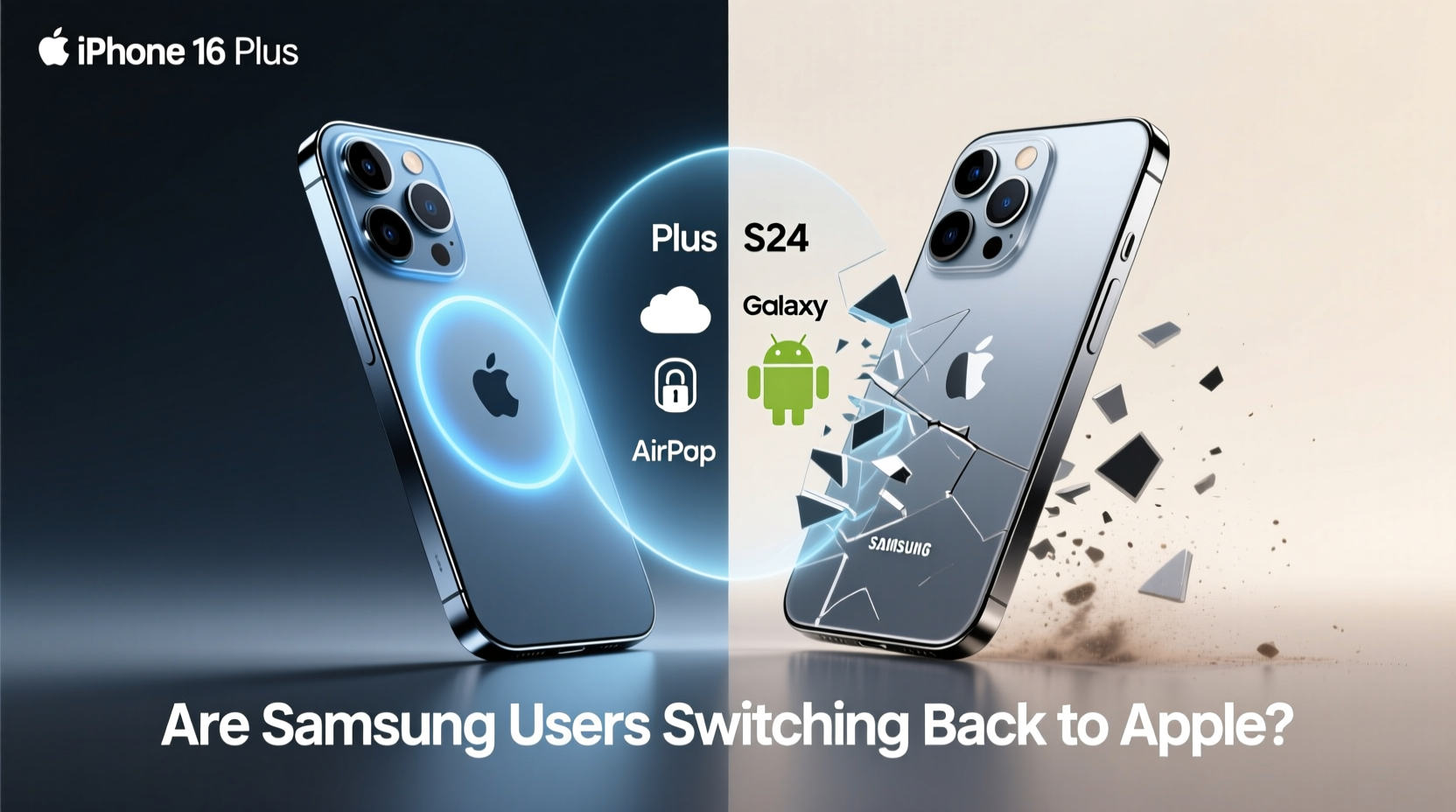
Smartphones today are more than standalone devices—they’re hubs for digital lives. For years, Samsung users have enjoyed deep integration with Google services, DeX functionality, and flexible hardware options. But Apple’s ecosystem remains uniquely sticky. Once users invest in AirPods, MacBooks, or Apple Watches, the seamless continuity between devices becomes a powerful retention tool.
Recent surveys from Consumer Intelligence Research Partners (CIRP) show that iPhone ownership in the U.S. rose to 60% in early 2024—the highest in a decade. Notably, 17% of new iPhone buyers previously owned an Android device, with Samsung leading that group. This suggests a measurable shift, not just speculation.
“Switching ecosystems used to mean losing convenience. Now, Apple’s ecosystem coherence is pulling users who value reliability over customization.” — Dr. Lena Tran, Mobile Behavior Analyst at TechInsight Group
iPhone 16 Plus vs Galaxy S24: Head-to-Head Comparison
At first glance, both phones deliver premium experiences. But subtle differences in design philosophy, software updates, and long-term usability reveal where each brand excels—and where compromises emerge.
| Feature | iPhone 16 Plus | Galaxy S24 |
|---|---|---|
| Display | 6.7” Super Retina XDR OLED, 120Hz ProMotion | 6.2” Dynamic AMOLED 2X, 120Hz adaptive |
| Processor | A18 chip (3nm) | Snapdragon 8 Gen 3 (for Galaxy) |
| Software Support | Expected: 5–6 years of iOS updates | 7 years of OS and security updates |
| Battery Life | Up to 28 hours video playback | Up to 22 hours video playback |
| Camera System | 48MP main, 12MP ultra-wide, Photonic Engine | 50MP main, 12MP ultra-wide, 10MP telephoto |
| Ecosystem Integration | iCloud, Continuity, FaceTime, iMessage | Google AI, Samsung DeX, SmartThings |
| Starting Price | $999 | $799 |
The Galaxy S24 wins on price and promises longer software support—a major win for sustainability-focused users. However, the iPhone 16 Plus counters with superior video recording, tighter app optimization, and unmatched ecosystem synergy. For users already invested in Apple’s world, the upgrade path feels natural. For ex-Apple users returning, it feels like coming home.
The Quiet Return: Real-World Shifts Among Power Users
Jessica M., a graphic designer from Austin, used Samsung flagships exclusively from 2016 to 2023. She switched to the iPhone 16 Plus after struggling with inconsistent app performance across her Galaxy phone and iPad during client presentations.
“My workflow broke down when I had to share mockups from my iPad to my Samsung. AirDrop just works. And now, my Apple Pencil syncs instantly. It’s not flashy—but it saves me 20 minutes per project.”
Her story mirrors a broader pattern: professionals who rely on cross-device workflows are increasingly opting for homogeneity. Adobe Creative Cloud, Microsoft Office, and Zoom all perform more fluidly within Apple’s ecosystem due to deeper integration and uniform update cycles.
Meanwhile, Samsung’s strength in hardware innovation—like foldables and high-zoom cameras—isn’t enough to offset fragmentation issues. Many users report delayed Android updates, inconsistent UI behavior across apps, and compatibility hiccups with third-party accessories.
What’s Driving the Switch? Five Key Factors
- Seamless Continuity: Features like Universal Control and Instant Hotspot reduce friction between devices.
- iMessage Lock-In: Despite RCS adoption, green bubbles still create social friction, especially among younger users.
- Resale Value: iPhones retain up to 60% of value after one year; Samsung phones average 45%.
- Privacy Focus: Apple’s App Tracking Transparency and on-device processing appeal to privacy-conscious users.
- Long-Term Reliability: iOS updates remain consistent across models, while Android fragmentation leads to uneven experiences.
Step-by-Step: How to Evaluate Your Own Switch
If you're considering a move from Galaxy to iPhone—or vice versa—follow this practical timeline:
- Week 1: Audit Your Ecosystem
List your current devices: smartwatch, laptop, headphones, tablets. Note which ecosystem they align with. - Week 2: Test Core Workflows
Try sharing files, making calls, and using productivity apps across devices. Identify pain points. - Week 3: Compare Costs
Factor in purchase price, trade-in value, and accessory compatibility. - Week 4: Trial Period
Borrow or rent the target phone for 3–5 days. Use it as your primary device. - Decision Day: Weigh reliability, convenience, and long-term fit—not just camera megapixels.
FAQ: Common Questions About Switching
Does the Galaxy S24 offer better customization than the iPhone 16 Plus?
Yes. Samsung allows greater control over UI layout, default apps, and automation via Bixby Routines. However, iOS offers improved accessibility features and consistent performance across all apps.
Can I keep my number and Google contacts if I switch to iPhone?
Absolutely. Apple’s Move to iOS app transfers contacts, calendars, photos, and messages directly from your Galaxy. Your phone number can be ported seamlessly through carrier support.
Is iOS more secure than Android?
iOS benefits from centralized control, strict app review, and faster patch deployment. While Android has improved security, its open nature makes it more vulnerable to malware, especially on non-Google-certified devices.
Checklist: Are You Ready to Switch Back to Apple?
- ☐ You own at least one other Apple device (Mac, iPad, Watch).
- ☐ You frequently use iMessage or FaceTime for communication.
- ☐ You prioritize long-term software updates and resale value.
- ☐ You find Android’s update delays frustrating.
- ☐ Your work or personal life depends on smooth device handoffs.
- ☐ You value out-of-the-box stability over deep customization.
Conclusion: More Than a Phone—It’s a Digital Lifestyle Choice
The debate between the iPhone 16 Plus and Galaxy S24 isn’t just about which camera takes sharper photos or whose battery lasts longer. It’s about how technology fits into your life. Samsung continues to innovate boldly, offering flexibility and value. But Apple’s strength lies in cohesion—its ability to make complex interactions feel effortless.
The quiet return of Samsung users to Apple isn’t driven by hype. It’s fueled by real-world frustrations with fragmentation, inconsistent updates, and broken workflows. For many, switching back isn’t a step backward—it’s a strategic choice for simplicity, longevity, and peace of mind.




 浙公网安备
33010002000092号
浙公网安备
33010002000092号 浙B2-20120091-4
Comments
No comments yet. Why don't you start the discussion?