
The iPhone 16 Pro Max represents the pinnacle of Apple’s smartphone engineering—sleek, powerful, and meticulously designed. With a price tag that reflects its premium status, protecting this device becomes more than just practical; it’s essential. One of the most common decisions users face is whether to invest in a custom-fit case or opt for a universal alternative. While both options claim to offer protection, the real differences lie in precision, longevity, and overall user experience.
At first glance, universal cases appear to be a budget-friendly shortcut. They promise compatibility across multiple models and are often available at lower price points. However, when you consider the exacting dimensions of the iPhone 16 Pro Max—its camera array alignment, button placement, and wireless charging efficiency—even minor discrepancies can lead to functional drawbacks. A case that fits perfectly isn’t just about aesthetics; it affects how your phone performs day-to-day.
Design Precision and Device Compatibility
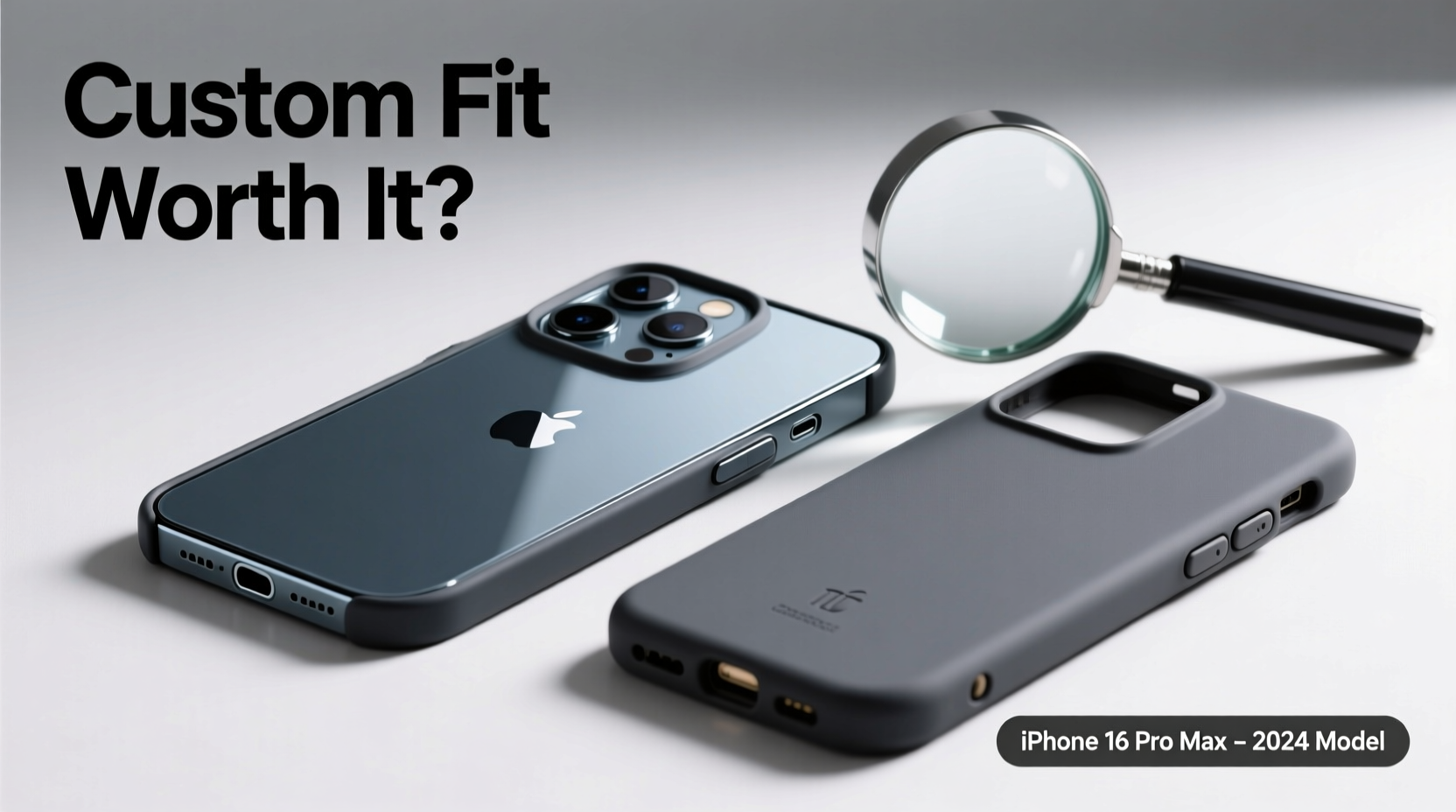
Custom-fit cases are engineered specifically for the iPhone 16 Pro Max. Manufacturers use precise CAD models and direct measurements from Apple’s specifications to ensure every cutout, curve, and port opening aligns flawlessly. This level of accuracy means:
- Camera lenses sit flush with the case edge, reducing dust accumulation and lens scratches.
- Volume and power buttons are precisely mapped, offering tactile feedback without requiring excessive force.
- Speaker grilles and microphones remain unobstructed, preserving audio quality during calls and media playback.
In contrast, universal cases rely on adjustable interior linings or stretchable materials to accommodate various phone sizes. While convenient, this flexibility introduces compromises. Misaligned cutouts may partially block sensors or make button presses inconsistent. Over time, the internal padding can shift, leading to internal movement within the case—a risk factor if the phone is dropped.
“Even a 0.5mm deviation in camera cutout placement can increase the chance of smudges and reduce photo clarity due to light diffraction.” — Dr. Lena Park, Mobile Hardware Analyst at TechInsight Labs
Protection Quality: Impact Resistance and Longevity
When evaluating protection, material composition matters—but so does structural integrity. Custom-fit cases often use multi-layer designs: a rigid polycarbonate outer shell paired with a shock-absorbent TPU inner liner. Because these layers are bonded to match the iPhone’s contours exactly, impact forces are distributed evenly across all four corners during drops.
Universal cases, especially those made from single-material construction (like soft silicone), tend to compress unevenly upon impact. Their generic shape means they may lack reinforced corners or elevated bezels around the screen and camera module. As a result, even a three-foot drop onto hardwood can lead to cracked screens or damaged lenses—costly repairs that could have been avoided.
Long-term durability also favors custom cases. Since they don’t require stretching or forcing into place, there’s less stress on the material. Users report that well-made branded cases maintain their shape and snap securely even after two years of daily use.
Comparison Table: Custom-Fit vs Universal Cases
| Feature | Custom-Fit Case | Universal Case |
|---|---|---|
| Precision Cutouts | ✅ Exact alignment with cameras, ports, buttons | ⚠️ May be oversized or misaligned |
| Drop Protection | ✅ Reinforced corners, even energy distribution | ❌ Inconsistent cushioning due to loose fit |
| Wireless Charging Efficiency | ✅ Unimpeded signal transfer; supports 15W MagSafe | ⚠️ Thick or metallic inserts may slow charging |
| Lifespan | ✅ 2+ years with proper care | ❌ Often degrades within 6–12 months |
| Price Range | $35–$70 (premium brands) | $10–$25 |
Real-World Example: The Commuter’s Dilemma
Take Sarah, a project manager in San Francisco who commutes daily via BART. She initially purchased a universal magnetic car-mount case to save money and combine functionality. Within four months, she noticed her phone’s right-side volume button became sluggish. Upon inspection, she realized the case’s internal plastic clip was pressing against the button housing, causing wear. Additionally, the camera bump wasn’t fully protected, resulting in a scratched lens after being placed face-down on a desk.
She switched to a custom-fit case from a reputable brand known for military-grade drop testing. Not only did the new case eliminate button interference, but its raised lip also prevented screen contact when laid flat. After eight months of rigorous use—including one accidental drop down a flight of stairs—the iPhone remained undamaged.
Sarah concluded that the $45 upgrade paid for itself in peace of mind and avoided repair costs exceeding $120.
Step-by-Step Guide: Choosing the Right Case
Selecting between a custom-fit and universal case doesn’t have to be overwhelming. Follow this logical sequence to make an informed decision:
- Assess your usage pattern: Are you frequently outdoors, traveling, or working in high-risk environments? High exposure demands superior protection.
- Determine your budget: Factor in potential repair costs. A $40 case may prevent a $300 screen replacement.
- Check compatibility details: Look for phrases like “specifically designed for iPhone 16 Pro Max” rather than “compatible with latest iPhones.”
- Evaluate features: Prioritize cases with MagSafe support, antimicrobial coatings, or eco-friendly materials if important to you.
- Read verified reviews: Focus on long-term feedback mentioning fit stability, yellowing, and button responsiveness over time.
Frequently Asked Questions
Can a universal case damage my iPhone 16 Pro Max?
Yes, poorly designed universal cases can cause physical damage over time. Excess pressure on buttons or ports may lead to mechanical failure. Additionally, thick or conductive materials can interfere with wireless charging and signal reception.
Do custom-fit cases limit accessory compatibility?
No—in fact, they enhance it. Most premium custom cases are rigorously tested with Apple-certified accessories, including MagSafe chargers, wallets, and car mounts. Many include embedded magnets aligned to Apple’s specifications for seamless integration.
Are third-party custom cases as good as Apple’s official ones?
Some third-party brands match or exceed Apple’s standards. Companies like Spigen, OtterBox, and UAG invest heavily in lab testing and material innovation. However, always verify independent drop-test certifications (e.g., MIL-STD-810G) before assuming quality equivalence.
Final Verdict: Is the Custom Fit Worth It?
For most users, especially those relying on their iPhone 16 Pro Max for work, travel, or creative tasks, a custom-fit case is a smart investment. The marginal cost difference—often less than the price of a single app subscription—is outweighed by tangible benefits: better protection, improved ergonomics, and uninterrupted access to all features.
While universal cases serve a niche market—such as temporary replacements or secondary devices—they fall short in consistency and reliability. When safeguarding a device that likely costs over $1,200, cutting corners on protection rarely makes sense.




 浙公网安备
33010002000092号
浙公网安备
33010002000092号 浙B2-20120091-4
Comments
No comments yet. Why don't you start the discussion?