
For many Apple users, upgrading to the latest iPhone isn’t just about new features—it’s about whether those improvements justify the cost. The iPhone 16 Pro Max arrives with significant hardware and software enhancements over its predecessor, the iPhone 13 Pro Max. But if you're still using a 13 Pro Max, is jumping to the 16 Pro Max truly worthwhile in 2024? Let's break down the key differences in performance, camera systems, battery life, design, and real-world usability to help you decide.
Performance: A Quantum Leap in Processing Power
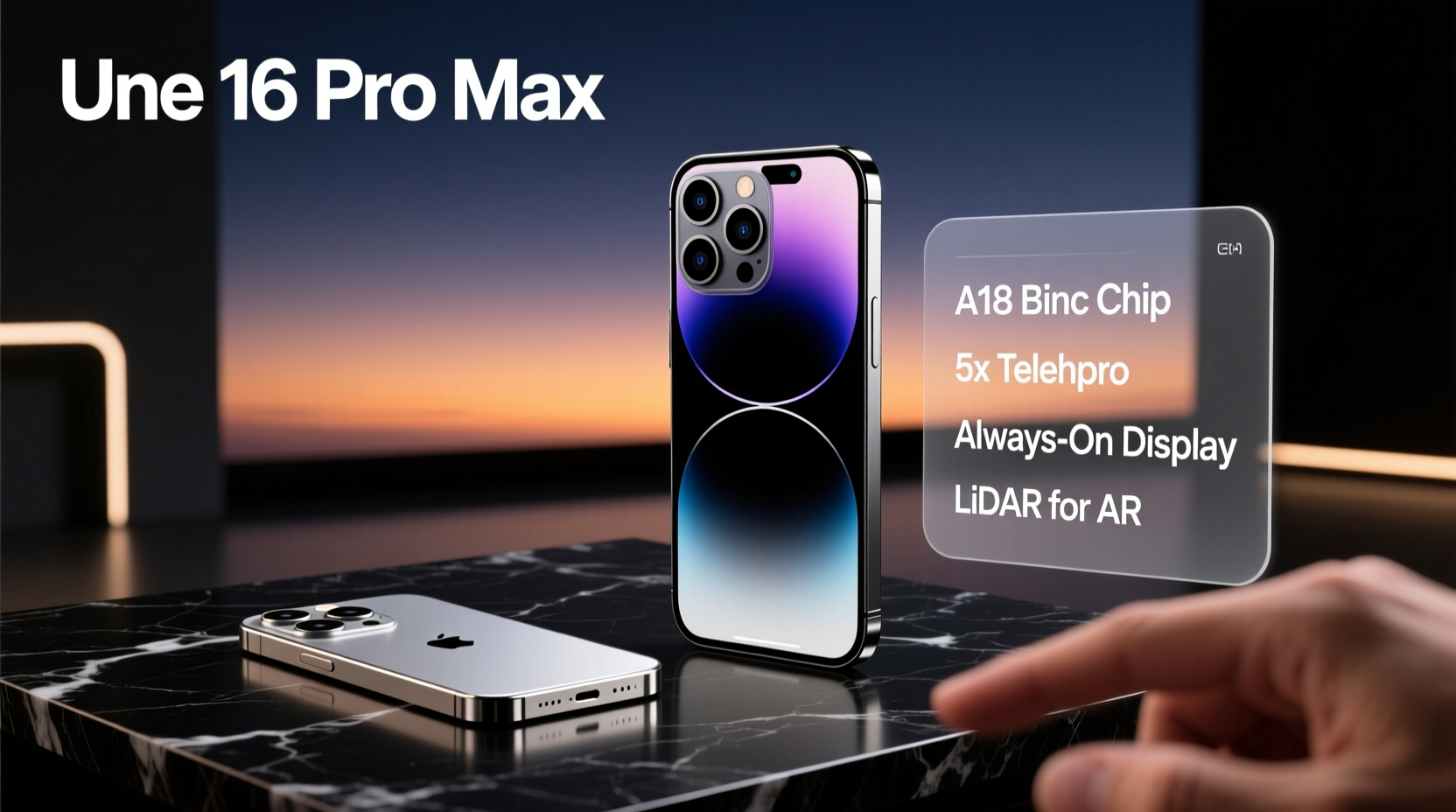
The most dramatic difference between the two models lies under the hood. The iPhone 13 Pro Max runs on the A15 Bionic chip, which was groundbreaking at launch but now shows its age when compared to modern demands. In contrast, the iPhone 16 Pro Max is powered by the A18 Pro chip, built on a 3nm+ process that delivers up to 30% faster CPU performance and 40% better GPU efficiency.
This leap translates into tangible benefits: smoother multitasking, faster app launches, enhanced AR experiences, and improved machine learning capabilities for photography and voice processing. For professionals editing 4K video or running intensive creative apps, the A18 Pro offers noticeable responsiveness that the A15 simply can't match.
Camera Evolution: From Great to Professional-Grade
The camera system has seen one of the most aggressive evolutions across these generations. The iPhone 13 Pro Max introduced the triple-lens setup with sensor-shift stabilization and macro photography—features that were impressive in 2021. However, the iPhone 16 Pro Max redefines mobile photography with several key upgrades:
- New tetraprism 5x optical zoom lens replacing the older 3x telephoto, enabling sharper long-range shots.
- 48MP main sensor with larger pixels for improved low-light performance and dynamic range.
- Advanced computational photography including AI-driven Night Mode HDR and subject tracking in video.
- Dual-action button customization allows instant access to camera modes or focus settings.
In practical terms, this means clearer portraits, more detailed zoomed photos, and significantly better video stabilization—even while walking or in motion. Videographers will appreciate the new Log encoding and expanded external recording options via USB-C 3.0 (now standard on all Pro models).
“Smartphone cameras are now competing with entry-level DSLRs. The iPhone 16 Pro Max pushes the boundary of what’s possible without carrying extra gear.” — David Lin, Mobile Photography Consultant
Battery Life and Charging: Real-World Endurance
Battery life remains a critical factor for power users. While both phones feature large batteries, the iPhone 16 Pro Max benefits from architectural improvements and more efficient components. Apple claims up to 32 hours of video playback, an increase of nearly 6 hours over the 13 Pro Max.
In daily use, this translates to:
- Easily lasting through a full workday with heavy usage (email, navigation, streaming).
- Better standby optimization thanks to iOS 18’s on-device intelligence managing background activity.
- Faster charging: 0–80% in 35 minutes with a 30W+ adapter (vs. 40+ minutes on the 13 Pro Max).
Additionally, the 16 Pro Max supports adaptive charging based on your routine, reducing battery wear over time—an important consideration for longevity.
Design and Display: Refined, Not Revolutionized
Visually, the two phones share a similar aesthetic language. Both feature stainless steel frames, Ceramic Shield glass, and flat edges. However, subtle refinements in the iPhone 16 Pro Max improve durability and usability:
- Slightly thinner bezels and a smaller Dynamic Island cutout enhance screen immersion.
- Titanium frame redesign makes the 16 Pro Max lighter despite a marginally larger footprint.
- Always-On Display improvements now show more widgets and notifications intelligently.
- Higher peak brightness (up to 3000 nits) for better outdoor visibility.
The display technology itself has matured—ProMotion refresh rate remains at 120Hz, but with finer tuning for animation fluidity and touch response. For readers and media consumers, the upgraded OLED panel reduces eye strain during prolonged use.
Is the Upgrade Worth It? A Practical Decision Framework
Ultimately, the decision hinges on your current needs and how much value you place on incremental innovation. Below is a checklist to guide your evaluation:
- Are you still satisfied with your iPhone 13 Pro Max’s performance in 2024?
- Do you regularly push your phone with photo/video creation?
- Have you experienced battery degradation (less than 80% health)?
- Would advanced zoom, low-light performance, or AI photo editing benefit your workflow?
- Can you take advantage of faster charging and longer battery life?
- Are you due for a carrier upgrade or trade-in deal?
If you answered “yes” to three or more, the upgrade likely makes sense.
Real User Scenario: Sarah, Travel Photographer
Sarah used her iPhone 13 Pro Max for travel blogging for three years. While it served her well, she found herself struggling with slow processing when shooting bursts in low light and limited zoom reach. After upgrading to the iPhone 16 Pro Max, she noticed immediate improvements: faster export times, crisper wildlife shots at 5x zoom, and the ability to record ProRes video directly to an SSD via USB-C. Her content quality improved, and post-processing became more efficient. For her, the upgrade paid off within six months through increased client satisfaction and engagement.
Feature Comparison Table
| Feature | iPhone 13 Pro Max | iPhone 16 Pro Max |
|---|---|---|
| Chipset | A15 Bionic | A18 Pro (3nm+) |
| Rear Cameras | Triple 12MP (Ultra, Wide, 3x Telephoto) | Triple 48MP Main, Ultra, 5x Tetraprism Telephoto |
| Zoom Capability | 3x optical, 15x digital | 5x optical, 25x digital |
| Battery Life (Video Playback) | 28 hours | 32 hours |
| Charging Speed | MagSafe & Qi, ~40 min to 80% | USB-C 3.0 & MagSafe, ~35 min to 80% |
| Display Brightness (Peak) | 1200 nits | 3000 nits |
| OS Support (Estimated End) | iOS 18 (possibly iOS 19) | iOS 22+ |
| Starting Price (Launch) | $1,099 | $1,199 |
FAQ: Common Questions Answered
Will the iPhone 16 Pro Max get longer software support?
Yes. Devices with newer chips typically receive 5–6 years of iOS updates. The iPhone 13 Pro Max may stop receiving updates after iOS 19, while the 16 Pro Max is expected to support iOS 22 or later, giving it at least 1–2 extra years of security and feature updates.
Can I notice the camera difference in everyday use?
Absolutely. The improved low-light performance, enhanced zoom, and smarter HDR make a visible difference in social media content, night shots, and distant subjects like concerts or wildlife. Even casual photographers benefit from more consistent results.
Is the price difference justified?
At $100 more at launch, the 16 Pro Max costs slightly more upfront. However, considering battery longevity, future-proofing, and resale value, many users find the investment breaks even over 2–3 years—especially if trading in an older device.
Final Verdict: Who Should Upgrade?
The iPhone 16 Pro Max is not a revolutionary leap, but it represents meaningful progress—particularly in areas that matter most to power users: performance, camera versatility, and battery endurance. If you're on an iPhone 13 Pro Max and your device still performs well, you’re not missing out on essential functionality. However, if you value cutting-edge photography, extended software support, or rely on your phone for creative work, the upgrade delivers measurable returns.
For those whose batteries have degraded or who want to leverage the latest AI and computational features, moving to the iPhone 16 Pro Max in 2024 is a smart, forward-looking decision.




 浙公网安备
33010002000092号
浙公网安备
33010002000092号 浙B2-20120091-4
Comments
No comments yet. Why don't you start the discussion?