
Apple’s relentless innovation cycle means new iPhones arrive every year, each promising better performance, improved design, and smarter features. For owners of the iPhone 13, the arrival of the iPhone 16 Pro raises a practical question: is upgrading truly worth it—especially when considering changes in size, camera systems, processing power, and battery life?
The answer isn’t just about raw specs. It’s about how those upgrades translate into daily use. Whether you’re holding onto a three-year-old iPhone 13 or considering a jump from an even earlier model, understanding what’s changed—and what hasn’t—can help you make a smarter, more cost-effective decision.
Design and Physical Dimensions: Bigger, But Better?
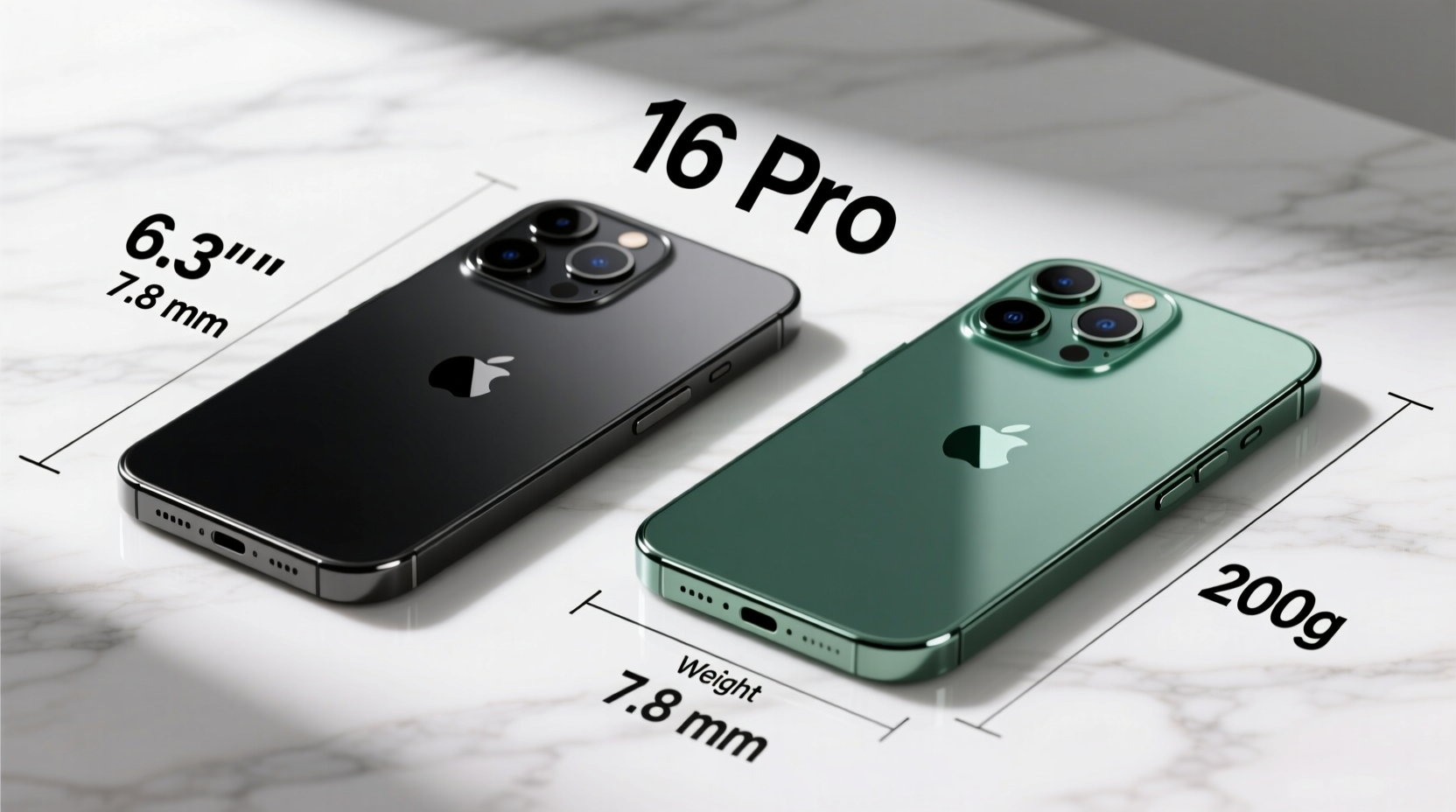
One of the most noticeable shifts between the iPhone 13 and iPhone 16 Pro is in physical size and build quality. The iPhone 13, released in 2021, features a 6.1-inch Super Retina XDR display with a flat aluminum frame on the standard model and stainless steel on the Pro variant. In contrast, the iPhone 16 Pro expands slightly to a 6.3-inch display, while the Pro Max grows to 6.9 inches—reflecting Apple’s trend toward larger screens optimized for media consumption and multitasking.
The weight distribution has also been refined. The iPhone 16 Pro uses a new titanium alloy frame, shaving off nearly 15 grams compared to its predecessor, despite the larger screen. This makes it more comfortable to hold for extended periods, especially when watching videos or using augmented reality apps.
Additionally, the bezels are now thinner thanks to advancements in display encapsulation technology. While the overall footprint increases only marginally, the screen-to-body ratio improves significantly, offering a more immersive experience without drastically increasing pocket bulk.
Performance and Hardware: Generational Leap in Power
Under the hood, the difference between these two models is dramatic. The iPhone 13 runs on the A15 Bionic chip—a powerhouse in its time—while the iPhone 16 Pro is powered by the A18 Pro, built on a 3nm+ process. This translates to up to 40% faster CPU performance and 50% better GPU efficiency, according to independent benchmarks from AnandTech.
This leap matters most in real-world scenarios like video editing, gaming at high frame rates, and AI-driven photography. The A18 Pro includes a next-gen Neural Engine capable of handling 35 trillion operations per second, enabling on-device generative AI features such as live scene enhancement, voice separation in recordings, and predictive text input based on context.
“The A18 Pro isn’t just faster—it’s smarter. On-device machine learning now handles tasks that previously required cloud processing.” — Dr. Lena Torres, Mobile Systems Researcher at MIT
For users who rely on their phones for productivity, content creation, or advanced photography, this shift represents more than incremental improvement. It’s a transformation in what the device can do autonomously.
Camera System Evolution: From Great to Professional Grade
The camera setup is where the iPhone 16 Pro pulls far ahead. The iPhone 13 introduced computational photography to the mainstream with Smart HDR 4 and Cinematic Mode, but the iPhone 16 Pro redefines mobile imaging.
- Main Sensor: Upgraded from 12MP to a 48MP tetraprism sensor with adaptive pixel binning.
- Telephoto Lens: Now offers 5x optical zoom (up from 3x) and supports up to 25x digital zoom with AI stabilization.
- New Capture Button: A touch-sensitive dial on the side enables quick photo and video capture, even from standby mode.
- Photonic Engine 2: Enhances low-light performance and enables real-time depth mapping for portrait shots.
In practical terms, this means sharper photos in dim lighting, smoother zoom transitions, and more creative control over focus and exposure—all without opening third-party apps.
| Feature | iPhone 13 | iPhone 16 Pro |
|---|---|---|
| Display Size | 6.1 inches | 6.3 inches |
| Chipset | A15 Bionic | A18 Pro (3nm+) |
| Rear Cameras | 12MP + 12MP | 48MP main + 12MP ultra-wide + 12MP telephoto (5x zoom) |
| Battery Life (Video Playback) | Up to 19 hours | Up to 28 hours |
| Weight | 174g | 165g |
| Charging | Limited MagSafe, no USB-C | Fully USB-C compliant, 35W fast charging |
Real-World Example: Sarah’s Upgrade Journey
Sarah, a freelance photographer based in Portland, used her iPhone 13 for both personal and professional work. She captured product shots, edited them in Lightroom Mobile, and sent proofs to clients—all from her phone. By late 2024, she noticed delays in rendering edits and limitations in zoom quality during outdoor shoots.
After upgrading to the iPhone 16 Pro, her workflow transformed. The 5x optical zoom eliminated the need for carrying a separate compact camera. The improved dynamic range allowed her to skip post-processing steps, and the new Capture Button let her snap candid moments faster than ever. Most importantly, the longer battery life meant she could shoot all day without carrying extra chargers.
“It’s not just better photos,” she said. “It’s fewer compromises.”
Is the Upgrade Worth It? A Step-by-Step Decision Guide
Deciding whether to upgrade should be based on your usage patterns, not just marketing claims. Follow this timeline to evaluate your needs:
- Assess Current Device Health: Check battery health in Settings > Battery. If capacity is below 80%, performance throttling may already be affecting your experience.
- Evaluate Daily Use: Are you frequently editing videos, using AR apps, or relying on your phone for creative work? High-demand tasks benefit most from newer hardware.
- Consider Longevity: The iPhone 16 Pro will likely receive iOS updates until 2031, while the iPhone 13 may stop receiving major updates by 2026.
- Review Budget: Weigh the cost of a new device against repair expenses for your current phone. New iPhones start around $999, but trade-in values for iPhone 13 models average $350–$450.
- Test Hands-On: Visit an Apple Store or authorized retailer to feel the size, weight, and responsiveness of the iPhone 16 Pro before committing.
Frequently Asked Questions
Will my iPhone 13 become obsolete after the iPhone 16 Pro launch?
No. The iPhone 13 remains a capable device for everyday tasks like messaging, browsing, and social media. It will continue to receive security updates and app support for several years. Obsolescence depends more on personal needs than release cycles.
Does the iPhone 16 Pro support USB-C accessories I already own?
Yes. The iPhone 16 Pro fully supports USB-C standards, including data transfer speeds up to 10Gbps and compatibility with existing USB-C cables and peripherals. However, some older chargers may not deliver full fast-charging capabilities.
Is the size increase uncomfortable for small hands?
Some users report needing an adjustment period, especially when navigating the top of the screen. Apple includes an “Ease of Access” gesture (swipe down on the home bar) to temporarily shift the interface downward, making one-handed use easier.
Final Checklist Before Upgrading
- ✅ Back up your iPhone 13 via iCloud or Finder
- ✅ Check carrier compatibility and plan eligibility for installment options
- ✅ Trade in your old device to reduce upfront cost
- ✅ Transfer your SIM or prepare for eSIM setup
- ✅ Install the latest iOS version on your current phone for smoother migration
Conclusion: Make the Move When It Serves You
The iPhone 16 Pro delivers meaningful improvements in size, performance, camera quality, and future-proofing. But whether the upgrade is worth it depends entirely on how you use your phone. If you're still satisfied with your iPhone 13 for calls, texts, and light apps, waiting another year might make sense.
However, if you create content, multitask heavily, or value cutting-edge camera technology and longer software support, the iPhone 16 Pro offers tangible benefits that justify the investment. Technology should enhance your life—not complicate it. Choose the device that aligns with your actual needs, not just the latest hype.




 浙公网安备
33010002000092号
浙公网安备
33010002000092号 浙B2-20120091-4
Comments
No comments yet. Why don't you start the discussion?