
For millions of users still relying on the iPhone 6s, the idea of upgrading to the latest iPhone 16 Pro may feel like a leap into the future — especially when it comes to photography. The iPhone 6s was groundbreaking in its time, introducing Live Photos and a 12-megapixel rear camera that set a new standard for smartphone imaging. But nearly a decade later, the iPhone 16 Pro brings computational photography, AI-powered enhancements, and multi-lens systems that seem worlds apart. So, is the upgrade truly worth it just for the camera? The answer depends on how you use your phone, what kind of photos matter to you, and whether modern photography features align with your lifestyle.
The Evolution of iPhone Cameras: From 6s to 16 Pro
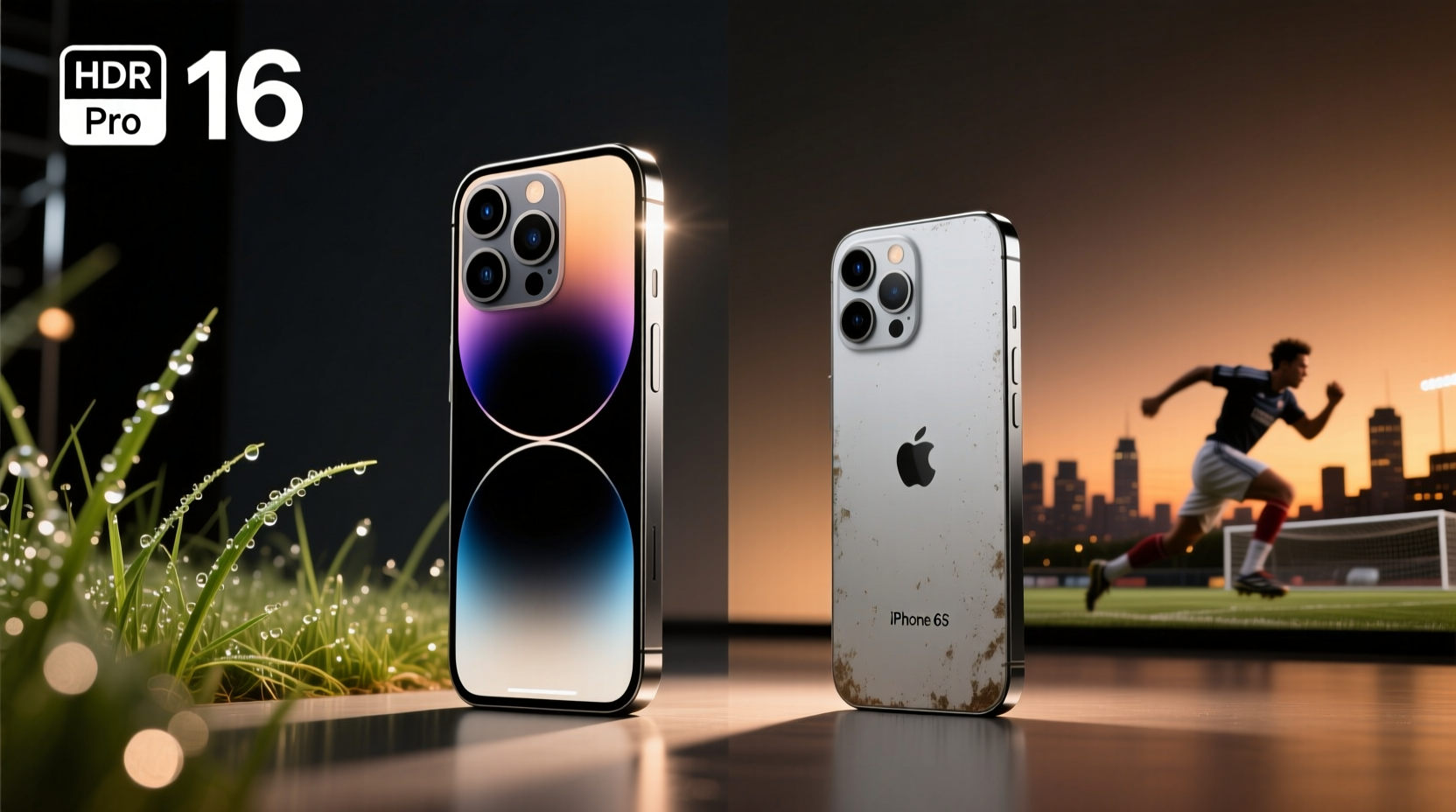
The journey from the iPhone 6s to the iPhone 16 Pro reflects a revolution in mobile imaging. In 2015, the 6s delivered solid daylight photos and introduced 4K video recording — a major milestone. Fast forward to 2024, and the iPhone 16 Pro features a triple-camera system with a 48MP main sensor, advanced telephoto zoom up to 10x optical, LiDAR-assisted focus, and deep integration with Apple Intelligence for scene optimization, noise reduction, and subject separation.
Modern iPhones don’t just capture light; they process moments. The Neural Engine now analyzes scenes in real-time, adjusting exposure, color balance, and depth mapping before you even tap the shutter. Night mode, which didn’t exist on the 6s, now delivers stunning low-light results with minimal user input. Meanwhile, the 6s struggles in dim environments, producing grainy images and slow autofocus.
Camera Specs Comparison: A Side-by-Side Look
| Feature | iPhone 6s | iPhone 16 Pro |
|---|---|---|
| Rear Camera Resolution | 12 MP | 48 MP (main), 12 MP (ultra-wide), 12 MP (telephoto) |
| Front Camera | 5 MP | 12 MP TrueDepth with Auto HDR and Portrait Mode |
| Video Recording | 4K at 30fps | 4K at 60fps, Dolby Vision HDR, ProRes support |
| Zoom Capability | Digital only (up to 3x) | 5x optical zoom in, 10x optical zoom out, 25x digital |
| Night Mode | No | Yes, with tripod detection and long exposure |
| Computational Photography | Limited (basic HDR) | Advanced (Smart HDR 6, Photonic Engine, AI-enhanced portraits) |
| AI & Machine Learning | None | Fully integrated with Apple Intelligence for object recognition and editing |
The technological gap is not merely incremental — it's transformative. The 16 Pro doesn't just take better pictures; it understands them. It can isolate subjects, enhance skin tones, reduce motion blur, and even suggest edits based on content. These capabilities are absent on the 6s, which relies entirely on manual timing and lighting conditions.
Real-World Photo Performance: When the Upgrade Matters Most
Specs tell part of the story, but real-life usage determines value. Consider three common scenarios where the iPhone 16 Pro’s camera shines compared to the 6s:
- Low-Light Events: Whether it’s a birthday dinner or a concert, the 6s often produces dark, blurry images. The 16 Pro uses sensor-shift stabilization and multi-frame noise reduction to deliver clear, vibrant shots even in near-darkness.
- Travel Photography: With 5x optical zoom and superior dynamic range, the 16 Pro captures distant landmarks and landscapes with detail the 6s simply cannot match.
- Family Portraits: The front camera on the 16 Pro supports Portrait Mode and advanced facial recognition, creating professional-looking selfies. On the 6s, portraits lack depth and often misfocus.
“Smartphone photography today is less about pressing a button and more about intelligent interpretation. The difference between a 2015 and 2024 iPhone isn’t megapixels — it’s context awareness.” — Dr. Lena Torres, Imaging Technology Researcher at MIT Media Lab
A Mini Case Study: Sarah’s Family Album Upgrade
Sarah, a mother of two in Portland, used her iPhone 6s for six years, capturing school plays, vacations, and daily moments. She noticed that many indoor photos were too dark or out of focus. After upgrading to the iPhone 16 Pro, she retook similar shots under the same conditions. The difference was immediate: her child’s face was clearly lit during a dimly lit recital, sunset beach photos retained rich gradients without overexposure, and close-up shots of birthday cakes showed fine details like sprinkles and frosting texture. For Sarah, the upgrade wasn’t about luxury — it was about preserving memories accurately.
Is the Upgrade Worth It? A Practical Checklist
Before deciding, assess your current needs using this checklist:
- ✅ Do you regularly take photos in low light?
- ✅ Do you struggle with blurry or out-of-focus shots?
- ✅ Are you sharing photos on social media or printing them?
- ✅ Do you record videos of events or family moments?
- ✅ Have you experienced storage issues due to older file formats?
- ✅ Do you edit photos using apps or rely on automatic enhancements?
If you answered “yes” to three or more, the camera upgrade alone may justify the switch. The iPhone 16 Pro offers not just better hardware, but smarter software that reduces the learning curve for great photography.
What You Gain Beyond Megapixels
The camera experience on the iPhone 16 Pro extends beyond resolution. Features like:
- Cinematic Mode in 4K: Adds professional-grade depth effects to videos.
- Action Mode: Stabilizes footage while walking or moving — ideal for vlogging.
- ProRAW & ProRes: Gives creative professionals full control over post-processing.
- AI-Powered Editing: Suggests cropping, adjusts lighting, and removes distractions automatically.
These tools turn casual shooters into capable creators. Even if you don’t consider yourself a photographer, these enhancements make it easier to produce share-worthy content without extra effort.
Frequently Asked Questions
Can the iPhone 16 Pro camera replace a DSLR?
For everyday use, travel, and social media, yes — in many cases. While DSLRs still offer superior lens flexibility and manual control, the 16 Pro closes the gap significantly with computational photography and AI enhancements. Casual photographers will rarely need anything more.
Will my old accessories work with the new iPhone?
Most charging cables and wireless chargers are compatible, but older cases designed for the 6s won’t fit the larger 16 Pro. Additionally, some third-party lenses or tripods may require adapters due to changes in camera module placement.
Is the front camera really that much better?
Yes. The 16 Pro’s front camera captures higher resolution, supports Night mode, and uses machine learning to improve skin tones and background blur in selfies. Compared to the 6s’s 5MP shooter, it’s a generational leap in both clarity and usability.
Final Verdict: To Upgrade or Not?
For users clinging to the iPhone 6s, the decision to upgrade for the camera isn’t just about better photos — it’s about reclaiming confidence in every shot. The iPhone 16 Pro transforms photography from a hit-or-miss experience into a reliable, intelligent tool. If you value clarity, consistency, and convenience in capturing life’s moments, the upgrade is absolutely worth it.
Technology evolves, and so do our expectations. The iPhone 6s was a pioneer in its era, but today’s standards demand more. Whether you’re documenting family milestones, exploring nature, or building a personal brand online, the iPhone 16 Pro equips you with the precision and power to do it right — the first time.




 浙公网安备
33010002000092号
浙公网安备
33010002000092号 浙B2-20120091-4
Comments
No comments yet. Why don't you start the discussion?