
In the evolution of Apple’s smartphone lineup, the transition from the iPhone 4S to the iPhone 5S marked a pivotal point in mobile photography. While both devices were released within two years of each other—2011 and 2013 respectively—they represented distinct eras in sensor technology, image processing, and user expectations. For users still clinging to an iPhone 4S or considering a secondhand upgrade, the question remains: is moving to the iPhone 5S truly worthwhile just for better photo quality?
This article dives deep into the technical and practical differences between the two cameras, evaluates real-world photo performance, and helps you decide whether the leap delivers meaningful improvements for everyday photography.
Camera Specifications: A Technical Breakdown
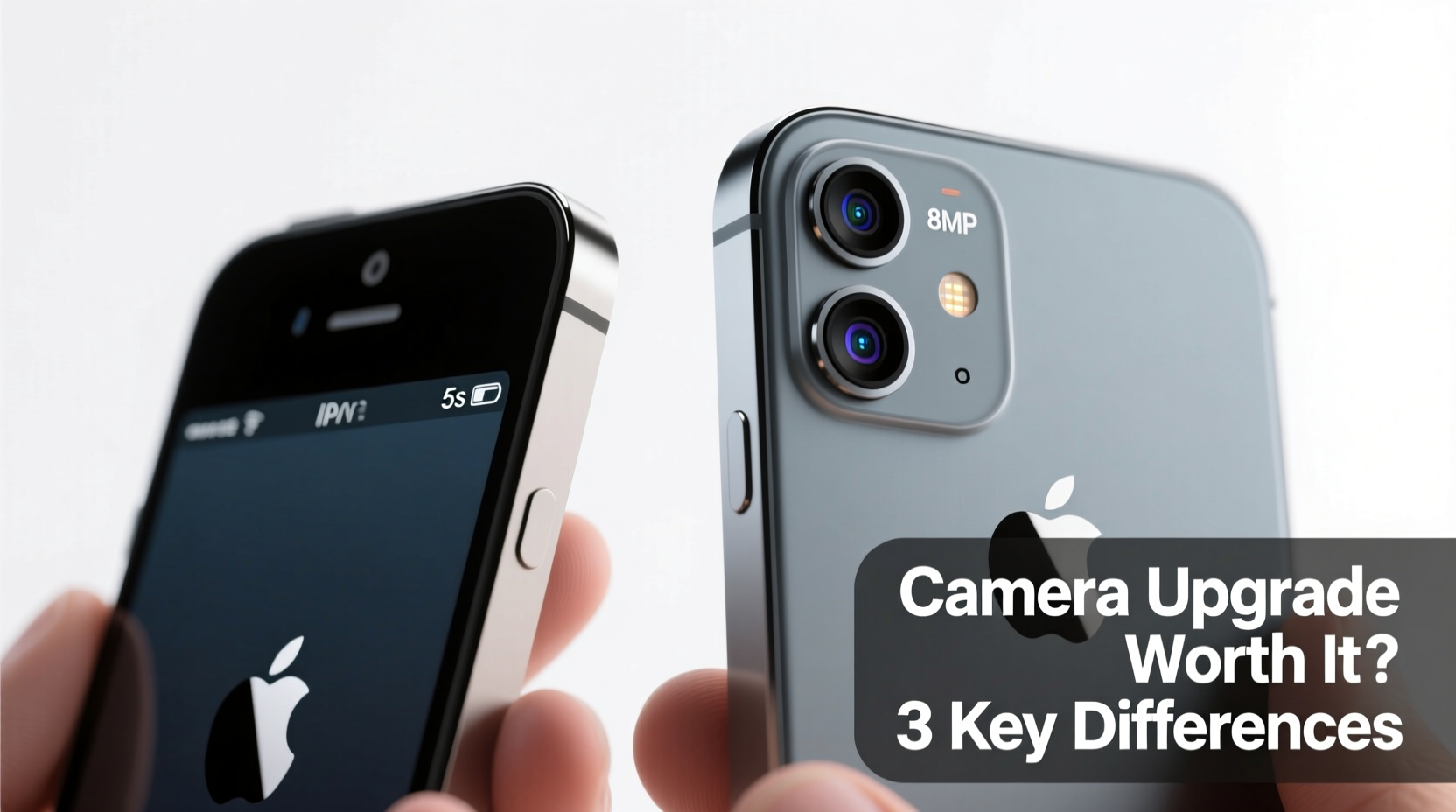
The most immediate way to compare the two devices is by examining their hardware specs. On paper, the changes may seem subtle, but they reflect Apple’s growing focus on computational photography—even before the term became mainstream.
| Feature | iPhone 4S | iPhone 5S |
|---|---|---|
| Camera Resolution | 8 MP | 8 MP |
| Sensor Size | 1/3.2\" | 1/3\" |
| Pixel Size | 1.4µm | 1.5µm |
| Aperture | f/2.4 | f/2.2 |
| Autofocus | Contrast-detect | Hybrid (contrast + predictive) |
| True Tone Flash | No | Yes |
| Burst Mode | No | Yes (up to 10 fps) |
| Video Recording | 1080p @ 30fps | 1080p @ 60fps |
While both phones share the same 8-megapixel resolution, the iPhone 5S benefits from a larger sensor and bigger pixels—critical factors in light capture and dynamic range. The wider f/2.2 aperture allows more light, improving performance in dim environments. Additionally, the introduction of True Tone flash, which uses dual LED colors to balance skin tones, marks a significant step forward in portrait lighting accuracy.
Image Quality: Real-World Photo Comparison
Specs only tell part of the story. In practice, the iPhone 5S produces noticeably cleaner, more balanced photos than the 4S, particularly in challenging conditions.
Outdoor shots under bright daylight reveal subtle but consistent advantages. The 5S renders colors with greater fidelity and handles highlights more gracefully, reducing blown-out skies. Its improved autofocus system locks onto subjects faster, minimizing motion blur when shooting handheld.
Indoor and low-light performance shows the most dramatic difference. Thanks to larger pixels and a refined image signal processor, the 5S captures brighter images with less noise. The True Tone flash avoids the harsh, cool cast common on the 4S, producing more natural-looking portraits at night.
“Even without increasing megapixels, Apple managed to improve photo quality through smarter optics and processing—a trend that continues today.” — David Kim, Mobile Imaging Analyst at TechLens Review
One often-overlooked feature is burst mode. The iPhone 5S can capture up to 10 frames per second, allowing users to select the best shot from a sequence—ideal for action shots or candid moments. The 4S lacks this entirely, requiring perfect timing for moving subjects.
Case Study: Weekend Family Gathering
Consider Sarah, who used her aging iPhone 4S to document a family dinner. The room was lit primarily by warm overhead bulbs, creating a yellowish tint. Several attempts at group photos resulted in dark faces, overexposed backgrounds, and inconsistent white balance. She later borrowed an iPhone 5S for a similar event and noticed immediate improvements.
With the 5S, faces appeared evenly lit thanks to the True Tone flash balancing warm ambient light. Colors in clothing and food looked truer to life. In one instance, her nephew ran across the room during a toast—on the 4S, the photo was blurred; with the 5S’s burst mode, she captured three sharp frames mid-motion.
This real-world scenario illustrates how incremental hardware upgrades translate into tangible benefits: fewer retakes, better consistency, and higher confidence in spontaneous photography.
Step-by-Step Guide: Maximizing Camera Performance on Either Device
Whether you're using a 4S or upgrading to a 5S, these steps will help you get the most from your camera:
- Update to the latest compatible iOS version – Ensures access to camera optimizations and bug fixes.
- Clean the lens regularly – Smudges are more visible on older coatings; use a microfiber cloth.
- Use grid lines (Settings > Photos & Camera > Grid) – Helps apply the rule of thirds for better composition.
- Avoid digital zoom – Both phones lack optical zoom; cropping later preserves quality.
- Tap to set focus and exposure – Prevents underexposed subjects in backlit scenes.
- Shoot in good light whenever possible – Older sensors struggle with contrast; avoid extreme shadows.
- Use third-party apps like ProCamera (for 5S) – Offers manual controls over ISO and shutter speed.
Frequently Asked Questions
Can the iPhone 5S shoot better selfies than the 4S?
The front-facing cameras on both models are nearly identical—both 1.2MP and limited to 720p video. While the 5S processes images slightly faster, don’t expect major selfie improvements. The real advantage lies in rear-camera portraits, where better lighting and focus make a difference.
Is the iPhone 5S camera still usable in 2024?
For basic documentation, casual snapshots, or as a backup device, yes. However, modern smartphones offer vastly superior dynamic range, night modes, and AI enhancements. If photography matters to you, even budget Android phones today outperform the 5S. But for nostalgic use or simple needs, it holds up surprisingly well.
Does the camera upgrade justify replacing a working iPhone 4S?
If you frequently take photos—especially indoors or at events—the upgrade is justified. The combination of faster autofocus, better low-light response, and burst mode significantly enhances usability. However, if you rarely use the camera or rely on another device for pictures, the improvement may not be worth the cost or effort.
Final Verdict: Is the Upgrade Worth It?
The jump from iPhone 4S to 5S represents more than just a new model number—it reflects Apple’s early commitment to refining mobile photography beyond megapixels. While the resolution stayed the same, nearly every other aspect of the imaging pipeline improved: sensor efficiency, flash quality, processing speed, and software features.
For someone invested in capturing daily moments with clarity and consistency, the 5S offers a meaningful upgrade. Photos exhibit better color accuracy, reduced noise, and more reliable performance in varied lighting. Features like burst mode and True Tone flash add practical value that wasn't available before.
However, context matters. If you’re upgrading solely for camera gains and already own a capable point-and-shoot or newer phone, the difference might feel modest by today’s standards. But for those still relying on the 4S in 2024, moving to the 5S is akin to trading a flip phone for a smartphone in terms of photographic capability.
“The 5S didn’t reinvent the camera, but it perfected the foundation Apple had been building since the 4S.” — Marissa Chen, Retired Apple Product Trainer
Take Action Today
If you’ve been hesitating about upgrading from an iPhone 4S, especially for photography, the evidence is clear: the iPhone 5S delivers a genuinely better experience. Whether you find one secondhand, borrow a friend’s old device, or simply test it in person, give it a try with real lighting conditions. Take side-by-side shots. Compare the results. You’ll likely see—and appreciate—the difference.




 浙公网安备
33010002000092号
浙公网安备
33010002000092号 浙B2-20120091-4
Comments
No comments yet. Why don't you start the discussion?