
The iPhone 4S, released in 2011, was a landmark device that introduced Siri and marked Apple’s transition into modern smartphone design. Over a decade later, some users may still be holding onto one—perhaps as a backup phone, a nostalgic keepsake, or even a daily driver out of necessity. Meanwhile, the iPhone 12, launched in 2020, brought 5G, a powerful A14 chip, and a dramatic redesign. For anyone still using an iPhone 4S, the question isn’t just about nostalgia—it’s practical: Is upgrading to an iPhone 12 (or its equivalent) actually worth it in 2024?
The short answer is yes—unequivocally so. But let’s explore why with a thorough breakdown of performance, software support, photography, connectivity, and everyday usability.
Performance and Hardware: A Generational Chasm
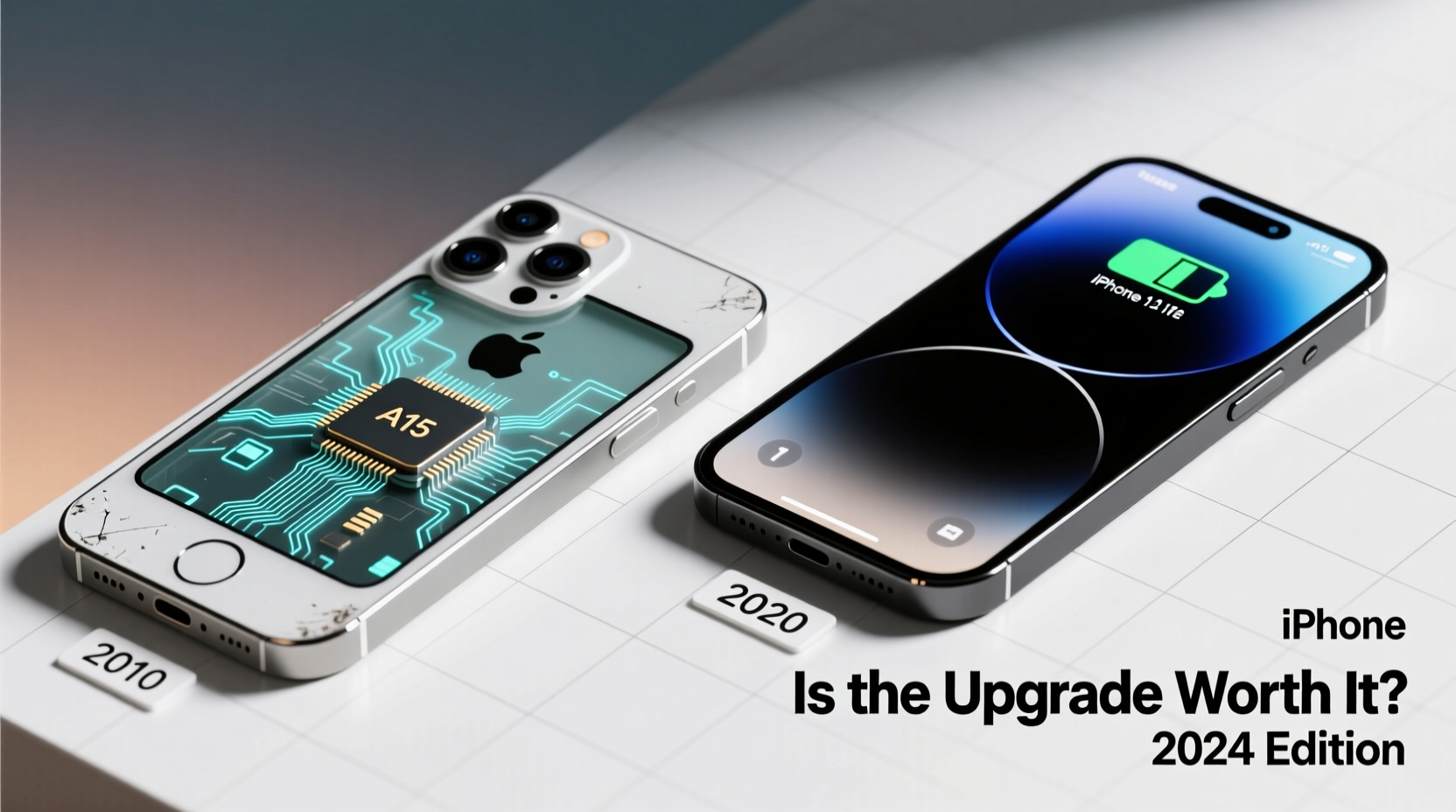
The gap between the iPhone 4S and iPhone 12 isn’t just incremental; it’s evolutionary. The 4S ran on Apple’s A5 chip, a dual-core processor with 512MB of RAM. By today’s standards, this hardware struggles to run basic apps, let alone multitask or handle background processes.
In contrast, the iPhone 12 features the A14 Bionic chip—a 6-core CPU, 4-core GPU, and 16-core Neural Engine built on a 5nm process. This chip delivers over 30 times the CPU performance and nearly 50 times the graphics power of the A5.
Real-world implications are stark: loading web pages, switching between apps, using GPS navigation, or even typing feels instantaneous on the iPhone 12. On the 4S, these actions can feel like waiting for a dial-up connection in a broadband world.
Software and Security: Staying Safe Online
iOS has evolved dramatically since iOS 5, which shipped with the 4S. Modern apps require newer operating systems, and most major developers have dropped support for devices running iOS 12 and earlier. The iPhone 12 runs iOS 14 at launch and is supported up to iOS 17 (and likely iOS 18), ensuring access to the latest security patches, privacy controls, and app compatibility.
The 4S, capped at iOS 9.3.5 (for most models), lacks critical security updates released in the last decade. This makes it vulnerable to phishing, malware, and unsecured network exploits—especially when browsing or logging into accounts.
“Using a device that hasn’t received security updates since 2016 is like leaving your front door unlocked in a high-crime neighborhood.” — David Lin, Cybersecurity Analyst at TechShield Labs
Even if you limit usage to calls and texts, connecting such a device to public Wi-Fi poses risks. Modern iPhones include advanced encryption, app tracking transparency, and on-device intelligence to detect fraud—all absent in older models.
Camera Capabilities: From Basic Snaps to Pro-Level Photography
The iPhone 4S featured a 8MP rear camera with no flash stabilization, modest low-light performance, and 1080p video recording at 30fps. It was impressive for its time but pales in comparison to today’s standards.
The iPhone 12 boasts a dual-camera system: a 12MP wide lens and a 12MP ultra-wide, both supporting Night mode, Deep Fusion, Smart HDR 3, and Dolby Vision HDR video recording up to 4K at 60fps. The front-facing TrueDepth camera enables Portrait mode selfies and Animoji—features unimaginable in 2011.
| Feature | iPhone 4S | iPhone 12 |
|---|---|---|
| Rear Camera Resolution | 8MP | 12MP (dual) |
| Video Recording | 1080p @ 30fps | 4K @ 60fps + Dolby Vision |
| Low-Light Performance | Limited, no Night mode | Night mode on all cameras |
| Front Camera | 0.3MP VGA | 12MP with Portrait mode |
| Computational Photography | None | Deep Fusion, Smart HDR 3, Photographic Styles |
If you value capturing memories clearly—whether family gatherings, travel moments, or work-related documentation—the iPhone 12 offers a quantum leap in image quality, dynamic range, and usability.
Connectivity and Future-Proofing
The iPhone 4S supports only 3G networks and 802.11n Wi-Fi. Many carriers have already shut down or are phasing out 3G, meaning service could become spotty or unavailable altogether. The device also lacks Bluetooth 4.0+, GPS accuracy improvements, and any form of NFC—ruling out Apple Pay or contactless sharing.
The iPhone 12 introduces 5G (mmWave and sub-6GHz), Wi-Fi 6, Bluetooth 5.0, and NFC. These aren’t just marketing points—they translate to faster downloads, smoother streaming, reliable hotspot use, and seamless integration with smart home devices, wearables, and payment systems.
Mini Case Study: Maria’s Upgrade Journey
Maria, a 68-year-old retiree from Tucson, used her iPhone 4S for over a decade. She relied on it for calls, weather checks, and occasional photos. When her local Verizon store informed her that 3G would be discontinued, she hesitated—worried about complexity and cost.
She purchased a used iPhone 12 mini for $450. Within days, she discovered FaceTime with grandkids in HD, voice-to-text messaging, and instant photo sharing via iCloud. “I didn’t realize how much I was missing,” she said. “Now I send videos of my garden every week. My son helped set it up in 20 minutes.”
Maria’s story reflects a broader truth: modern iPhones are not just faster—they’re more intuitive, accessible, and integrated into daily life than ever before.
Is the Upgrade Worth It Now?
Even in 2024, moving from an iPhone 4S to an iPhone 12 (or newer) is transformative. Consider these factors:
- Daily usability: Apps load instantly, voice assistants respond reliably, and maps provide turn-by-turn navigation without freezing.
- Battery life: The iPhone 12 lasts all day with moderate use. The 4S often needs midday charging—even with light usage.
- App compatibility: Banking apps, ride-sharing services, healthcare portals, and social media platforms increasingly require iOS 14 or later.
- Resale and trade-in value: Used iPhone 12 models retain value, while 4S units are essentially e-waste.
Checklist: Should You Upgrade?
- Can your current phone connect reliably to cellular data? (Try loading a news site.)
- Are you unable to install key apps like WhatsApp, Google Maps, or your bank’s app?
- Does your device take more than 5 seconds to unlock or open messages?
- Have you experienced crashes, freezes, or failed updates recently?
- Do you want to use FaceTime, Apple Pay, or share high-quality photos easily?
If you answered “yes” to two or more, upgrading is not just beneficial—it’s necessary for staying connected in today’s digital ecosystem.
FAQ
Can I transfer data from my iPhone 4S to an iPhone 12?
Direct iCloud or Quick Start transfers won’t work due to outdated iOS versions. However, you can manually back up contacts via SIM or email, save photos to a computer, and restore them on the new device. For full migration, use iTunes on a computer to extract data before setting up the new phone.
Is the iPhone 12 still supported by Apple?
Yes. The iPhone 12 receives regular iOS updates and is expected to support iOS 18 in 2024. Apple typically provides 5–6 years of software support, meaning the device remains secure and functional through at least 2026.
Are there cheaper alternatives to the iPhone 12?
Yes. Refurbished iPhone 12 units start around $300–$400. Alternatively, consider the iPhone SE (3rd gen), which offers the A15 chip and 5G in a compact form at a lower price—though with a less advanced camera system.
Conclusion: Take the Leap
The journey from iPhone 4S to iPhone 12 isn’t just an upgrade—it’s a reentry into the modern digital world. What once felt like science fiction—AI-powered photography, instant global communication, secure mobile payments—is now standard. Holding onto outdated technology may feel safe, but it limits your access to convenience, safety, and connection.
Whether you’re motivated by security, usability, or simply the joy of a responsive, capable device, making the switch today ensures you’re not left behind. The future isn’t waiting. Your next iPhone doesn’t have to be perfect—just present.




 浙公网安备
33010002000092号
浙公网安备
33010002000092号 浙B2-20120091-4
Comments
No comments yet. Why don't you start the discussion?