
When Apple introduced the iPhone 6 in 2014, it didn’t just bring a larger screen and sleeker design—it also reignited a long-standing debate among consumers: does the color of your smartphone actually matter? The launch offered three finishes: Space Gray, Silver, and Gold. While all models shared identical hardware, the Gold variant sparked particular interest—and controversy. Was choosing Gold a bold fashion statement or an unnecessary indulgence? For many, the decision came down to more than just aesthetics. Resale value, perceived durability, social perception, and even psychological associations played a role. Years later, with the iPhone 6 now a collector’s item or budget-friendly option, revisiting this color debate offers insight into how consumer electronics choices are shaped by both function and image.
The Origins of the Gold Controversy
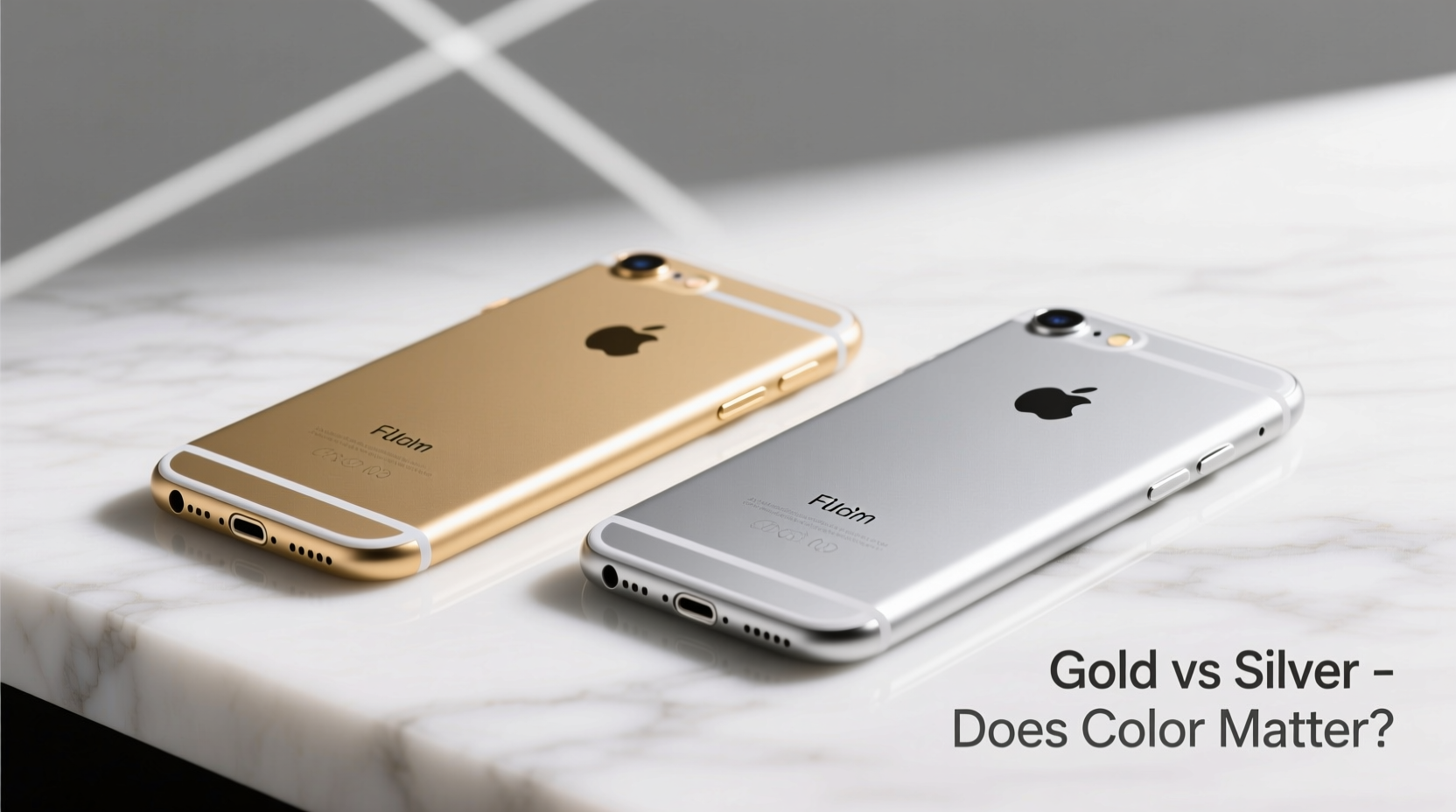
Before the iPhone 5S, Apple had never released a \"gold\" iPhone. When they did, reactions were polarized. Some hailed it as luxurious and modern; others mocked it as gaudy, dubbing it the “Bling Phone” or “CEO iPhone.” This cultural divide carried over to the iPhone 6, where Gold became one of the most talked-about variants. Tech blogs speculated whether Gold would outsell Silver. Social media buzzed with memes about flashy tastes. But beneath the surface, the real question wasn’t just about taste—it was about whether color influenced longevity, usability, or long-term satisfaction.
Apple's marketing at the time leaned into exclusivity. Gold was positioned as premium, not just in color but in desirability. Early stock shortages for the Gold model fueled perceptions of scarcity and status. Yet, from an engineering standpoint, there was no difference in materials, performance, or build quality between the finishes. All aluminum casings were anodized, meaning the color was sealed into the metal’s surface layer. So why did Gold generate such strong opinions?
Material Differences and Durability
All iPhone 6 models used 6000-series aluminum, which is lightweight and corrosion-resistant. The coloring process—electro-anodization—ensures that pigment is embedded rather than painted on, reducing the risk of chipping. However, anecdotal evidence suggests Gold may show scratches slightly more than Silver or Space Gray due to contrast. The warm hue tends to highlight fine abrasions, especially along the edges.
“Color doesn’t affect structural integrity, but finish visibility does influence user perception of wear.” — Dr. Lena Park, Materials Engineer at Consumer Tech Labs
Resale Value: Does Color Impact Price?
Over time, market data reveals subtle differences in resale trends. A 2017 study by Gazelle, a major trade-in platform, found that Gold iPhone 6 units retained up to 5% more value in the first year compared to Silver, likely due to initial demand and limited early supply. However, by 2020, those differences had vanished. Today, condition, storage capacity, and functionality outweigh color in determining resale worth.
That said, regional preferences still play a role. In markets like China and India, Gold has traditionally been associated with prosperity and success, making it more desirable. In contrast, Western urban users often lean toward Silver or Space Gray for their minimalist appeal.
Resale Comparison (iPhone 6, 64GB, Excellent Condition – 2016 Data)
| Color | Average Trade-In Value (USD) | Demand Level | Notes |
|---|---|---|---|
| Gold | $178 | High | Higher initial demand, faster depreciation after 18 months |
| Silver | $170 | Moderate | Steady demand, consistent value drop |
| Space Gray | $165 | Moderate | Perceived as professional; less trendy appeal |
Psychological and Social Influences
Color psychology plays a significant role in product selection. Gold is subconsciously linked to luxury, confidence, and success. Silver conveys neutrality, efficiency, and modernity. These associations aren’t accidental—brands leverage them intentionally. Apple’s choice to introduce Gold during a period of global economic recovery may have tapped into aspirational consumer behavior.
In a mini case study conducted at a tech retail outlet in 2015, sales staff observed that customers purchasing Gold iPhones were more likely to upgrade from older Android devices and place higher importance on brand image. Meanwhile, Silver buyers tended to be existing Apple users who valued consistency and understated design. One customer, Mark T., explained: “I chose Silver because I didn’t want my phone to draw attention. It’s a tool, not jewelry.” Conversely, Lila Chen, a small business owner, said, “The Gold iPhone felt like a milestone. It matched my watch, and when I pulled it out in meetings, people noticed.”
Expert Insight on Consumer Behavior
“Color becomes a silent communicator of identity. Choosing Gold isn’t just about looks—it’s a subtle signal of self-perception and social positioning.” — Dr. Alan Reeves, Behavioral Economist, Stanford University
Practical Considerations: Maintenance and Longevity
While all iPhone 6 colors are equally durable, maintenance varies slightly based on visibility of wear. Gold and Silver both show fingerprints and smudges more than darker finishes. Regular cleaning with a microfiber cloth helps preserve luster. Avoid abrasive cleaners, as they can degrade the anodized layer over time.
One overlooked factor is UV exposure. Prolonged sunlight can cause slight fading in any colored aluminum, though this is rarely noticeable within the typical 2–3 year ownership period. More critical is avoiding contact with chemicals like chlorine or perfume, which can corrode the finish.
Step-by-Step Care Routine for iPhone 6 Finishes
- Power off the device before cleaning.
- Use a dry, lint-free microfiber cloth to wipe the surface.
- For stubborn smudges, lightly dampen the cloth with water (do not spray directly).
- Avoid pressing hard on edges where the coating is thinner.
- Inspect weekly for signs of chipping or discoloration near ports.
- Store in a case when not in use to minimize scratches.
Checklist: Choosing Between Gold and Silver
- ✅ Do you want a standout look that reflects personal style? → Consider Gold.
- ✅ Are you sensitive to visible scratches or prefer a neutral tone? → Choose Silver.
- ✅ Is resale value a priority in the short term? → Gold may offer slight early advantage.
- ✅ Do you live in a region where Gold carries cultural significance? → It may hold better local demand.
- ✅ Will you use a case that covers most of the body? → Color matters less; choose based on preference.
Frequently Asked Questions
Does the Gold iPhone 6 scratch more easily than Silver?
No, the material and coating are identical. However, scratches may appear more visible on Gold due to contrast with the underlying metal.
Is there any functional difference between the colors?
None whatsoever. All iPhone 6 models, regardless of color, have the same processor, camera, battery life, and connectivity features.
Which color is rarer today?
Early production runs of Gold were limited, making pristine, unused Gold models slightly rarer in collector circles. However, overall availability today is similar across all colors.
Conclusion: Beyond the Hype
The debate between iPhone 6 Gold and Silver ultimately comes down to personal values. If you appreciate symbolic meaning, enjoy standing out, or connect with the aesthetic of luxury, Gold remains a meaningful choice. If you prefer discretion, minimalism, or worry about showing wear, Silver offers a clean, timeless alternative. Neither is objectively better. The “hype” around Gold was real in 2014, driven by novelty and social signaling, but it faded as the market normalized.
What hasn’t changed is this: your phone’s color says something about you—intentionally or not. Whether that message is one of confidence, practicality, or individuality is entirely up to you. Instead of chasing trends or fearing judgment, choose the color that aligns with how you want to feel every time you pull your phone from your pocket.




 浙公网安备
33010002000092号
浙公网安备
33010002000092号 浙B2-20120091-4
Comments
No comments yet. Why don't you start the discussion?