
The iPhone 6, released in 2014, was a landmark device that redefined Apple’s design language with its sleek aluminum unibody and rounded edges. Available in three finishes—Space Gray, Silver, and Gold—the color choice once carried social weight, signaling taste, status, or even personality. Over a decade later, as we navigate 2024’s smartphone landscape dominated by foldables and AI-powered devices, the question arises: does the color of an iPhone 6 still matter? For collectors, resellers, or nostalgic users holding onto their old devices, the answer isn’t as simple as “it’s just a phone.”
The Cultural Significance of iPhone 6 Colors at Launch
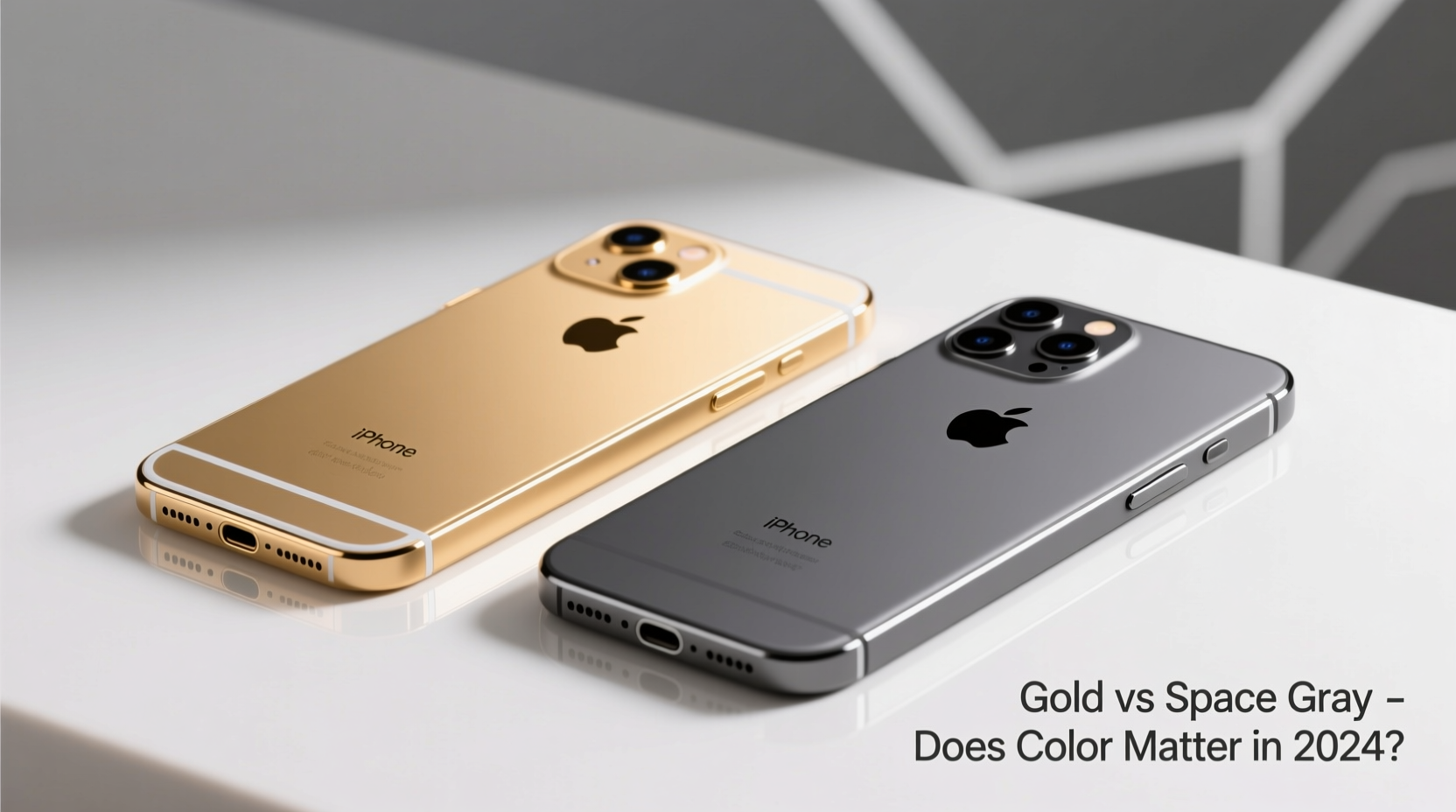
When the iPhone 6 launched, the Gold model sparked both fascination and controversy. Dubbed “Champagne” by Apple to soften its opulence, it quickly became known as “the rich people’s phone.” Media outlets joked about “Gold iPhone elitism,” while fashion influencers embraced it as a statement piece. In contrast, Space Gray projected minimalism and professionalism—favored by executives and creatives alike.
Color wasn’t just aesthetic; it was symbolic. The Gold variant sold out rapidly in markets like China and the Middle East, where metallic finishes were culturally associated with prosperity. Meanwhile, Space Gray maintained steady appeal across North America and Europe for its understated elegance.
“Color in tech isn’t arbitrary—it reflects identity. The Gold iPhone 6 wasn’t just popular; it was aspirational.” — Dr. Lena Park, Consumer Technology Sociologist, MIT Media Lab
Physical Differences: Durability and Wear Patterns
Beyond perception, there are tangible differences between the Gold and Space Gray iPhone 6 models, especially after years of use. Both share the same aerospace-grade aluminum casing, but their anodized finishes react differently to environmental exposure.
Gold iPhones are more prone to chipping and discoloration, particularly around the edges and camera ring. The underlying silver metal becomes visible over time, creating a two-tone effect often referred to as “gold rot.” This is less common with Space Gray, whose darker finish masks micro-scratches and wear better. Silver models suffer similarly to Gold, but Gold’s contrast makes degradation more noticeable.
Comparison Table: iPhone 6 Gold vs Space Gray (2024 Relevance)
| Feature | Gold | Space Gray |
|---|---|---|
| Original Prestige Factor | High (luxury image) | Moderate (professional) |
| Durability Over Time | Poor (visible flaking) | Good (wear less noticeable) |
| Resale Value (2024, used) | $25–$40 (collector niche) | $30–$50 (slightly higher demand) |
| Rarity Perception | Common at launch, now seen as dated | Still considered timeless |
| Nostalgia Appeal | Strong (symbol of mid-2010s trend) | Moderate (less flashy, less memorable) |
Real-World Example: A Collector’s Perspective
Jamal Thompson, a vintage Apple collector from Portland, owns seven iPhone 6 units in various colors and conditions. He purchased his first Gold iPhone 6 in 2014 and kept it pristine in a display case. In 2023, he listed it on eBay with original packaging and accessories. Despite its age, it sold for $62—a premium over average market prices.
“The Gold one got more bids than the Space Gray,” Jamal said. “People remember it. It’s not functional anymore, but it’s a cultural artifact. The scratches on other Gold models made them undesirable, though. Condition is everything.”
This illustrates a key point: in 2024, the value of an iPhone 6 color depends less on personal preference and more on preservation, narrative, and collector sentiment.
Does Color Matter for Functionality Today?
In practical terms, no. By 2024, the iPhone 6 cannot support modern iOS versions beyond iOS 12, lacks app compatibility, and suffers from battery degradation. Whether Gold or Space Gray, it cannot serve as a primary smartphone for most users. Its functionality is limited to offline tasks, retro gaming, or emergency calling—if the battery holds.
However, color can influence usability indirectly. Darker finishes like Space Gray show fewer fingerprints and smudges, making a used device appear cleaner during short-term use. Gold models, especially those with flaked coating, may feel less pleasant to handle due to texture inconsistencies.
Step-by-Step: How to Assess Your iPhone 6’s Current Value (Based on Color & Condition)
- Check the model number: Identify if it’s A1549, A1586, or A1589—this affects regional compatibility.
- Evaluate cosmetic condition: Look for flaking (common in Gold), dents, and screen cracks.
- Test basic functions: Power on, check touchscreen response, charging port, and speaker.
- Research recent sales: Search eBay “sold listings” for iPhone 6 in your color and storage size.
- Determine purpose: Decide whether to keep (nostalgia), sell (cash), or recycle (eco-friendly).
Modern Context: Why We’ve Moved Beyond Color Signaling
In 2024, smartphone color carries far less social meaning than it did a decade ago. With hundreds of models across brands offering matte finishes, gradient backs, and eco-conscious materials, individuality is expressed through cases, wallpapers, and software customization—not base color.
Moreover, flagship phones now prioritize features like camera systems, battery life, and AI integration. A user choosing a current-gen iPhone isn’t debating Gold vs Space Gray—they’re weighing titanium build quality against satellite connectivity. The iPhone 6’s color debate belongs to a different era, when hardware design was one of the few ways to differentiate oneself in a homogenized tech world.
Checklist: What to Do With Your Old iPhone 6 in 2024
- ✅ Back up data and erase personal information before disposal
- ✅ Check if Apple offers recycling credit (even non-functional units qualify)
- ✅ Consider donating to schools or repair programs teaching electronics
- ✅ Store one unit in mint condition if you’re a tech memorabilia enthusiast
- ✅ Avoid selling online unless it’s fully functional—scams and lowball offers are common
Frequently Asked Questions
Is the Gold iPhone 6 worth more than Space Gray today?
Not inherently. While Gold has stronger nostalgia, Space Gray models in better condition often fetch higher prices due to superior wear resistance. Market demand is nearly equal, with condition outweighing color.
Can I still use an iPhone 6 in 2024?
Limited use only. It won’t support modern apps like WhatsApp (after 2023 updates), banking apps, or Google services. It can function as an iPod touch for music or offline games, but connectivity and security are major concerns.
Why did the Gold iPhone 6 become so iconic?
It was the first bold luxury color in Apple’s lineup, breaking from conservative silver and black. Its association with status, combined with viral media attention, cemented its place in pop culture history.
Final Thoughts: Color as a Fading Memory
In 2024, the distinction between iPhone 6 Gold and Space Gray is less about utility and more about memory. These colors represent a moment when smartphones began to blend fashion with technology. While Gold shimmered brightly in the spotlight, Space Gray endured quietly—proving that subtlety often outlasts flashiness.
If you still own an iPhone 6, its color might spark a story, a laugh, or a reminder of 2014’s tech optimism. But as a functional device, its hue no longer influences performance, value, or relevance. What matters more is what you do with it now: preserve it, repurpose it, or let it go responsibly.




 浙公网安备
33010002000092号
浙公网安备
33010002000092号 浙B2-20120091-4
Comments
No comments yet. Why don't you start the discussion?