
In 2017, the smartphone market saw a pivotal shift. Apple’s iPhone 6 Plus, released in 2014, had been a flagship device for millions—known for its reliability, ecosystem integration, and solid build. But by 2017, users were questioning whether sticking with an aging device made sense. Enter the Samsung Galaxy S8: a sleek, futuristic Android powerhouse boasting cutting-edge features. For iPhone 6 Plus owners considering a switch, the upgrade decision wasn’t just about specs—it involved ecosystem loyalty, usability habits, and long-term value. So, was upgrading from the iPhone 6 Plus to the Galaxy S8 truly worth it? The answer depends on what you valued most in a phone.
Design and Build: A Leap Forward
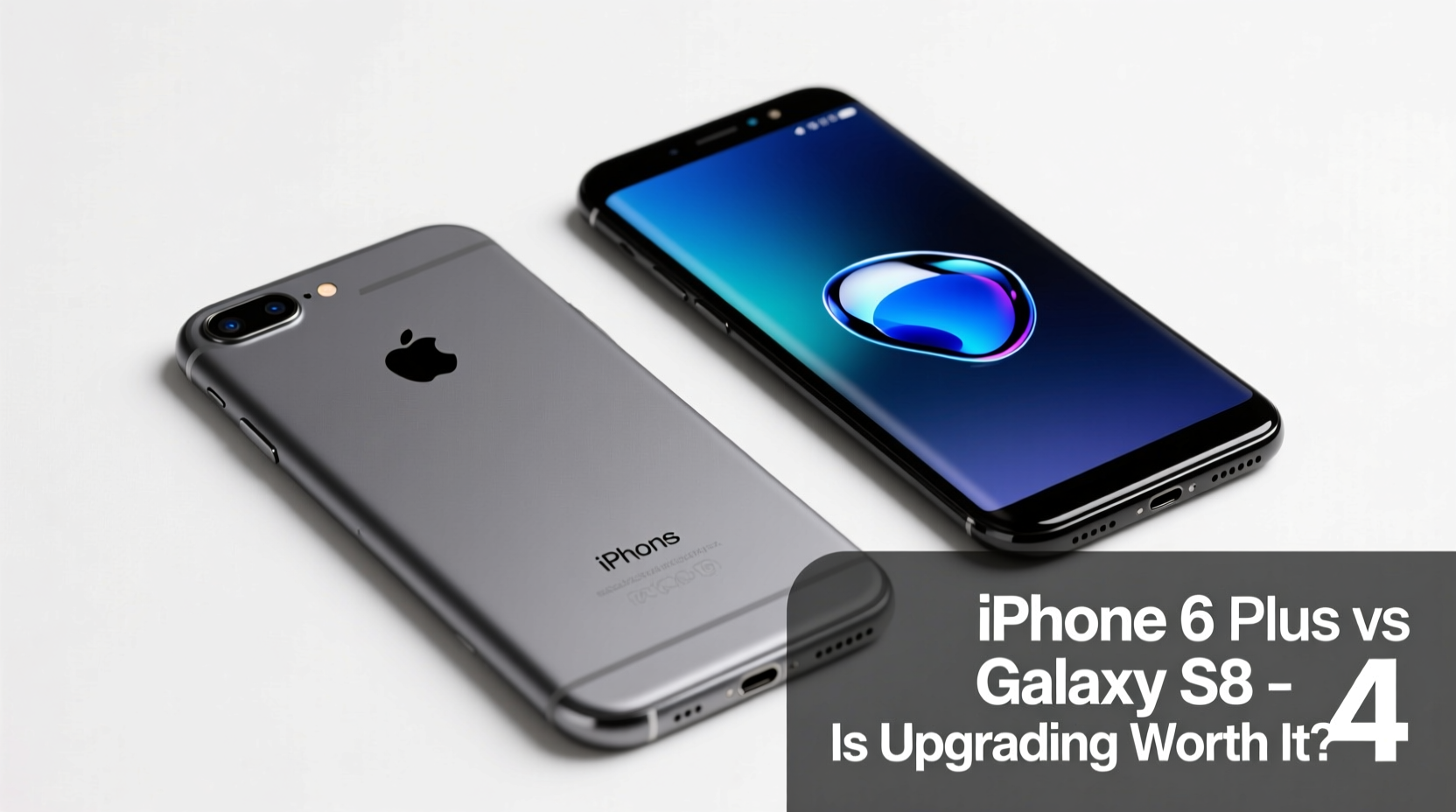
The visual contrast between the iPhone 6 Plus and the Galaxy S8 couldn't be starker. The iPhone 6 Plus featured a classic aluminum unibody design with chamfered edges and physical home buttons. It was sturdy, familiar, and comfortable in hand—but undeniably conservative by 2017 standards.
In contrast, the Galaxy S8 introduced Samsung’s “Infinity Display,” a nearly bezel-less 5.8-inch Quad HD+ AMOLED screen that stretched edge-to-edge. This design maximized screen real estate while maintaining a compact footprint despite the larger display. The glass-and-metal construction felt premium, and the curved sides gave it a modern, almost sci-fi aesthetic.
However, the S8’s glass back made it more prone to fingerprints and drops, requiring a case for practical use. The iPhone 6 Plus, while less flashy, offered better grip and durability out of the box.
Performance and Software Experience
Under the hood, the difference was night and day. The iPhone 6 Plus ran on Apple’s A8 chip with 1GB of RAM. By 2017, this configuration struggled with newer iOS updates and multitasking. Apps launched slower, background processes were frequently purged, and overall responsiveness had degraded—especially after iOS 10 and 11 updates.
The Galaxy S8, equipped with either the Snapdragon 835 or Exynos 8895 (depending on region), paired with 4GB of RAM, delivered smooth performance across all tasks. Multitasking was fluid, gaming was seamless, and the interface responded instantly. Combined with Android 7.0 Nougat (upgradable to Oreo), the S8 offered deeper customization, split-screen mode, and always-on display functionality.
But software experience goes beyond speed. iOS remained more consistent and secure, with guaranteed update support for years. Android, while powerful, varied by manufacturer—Samsung’s skin (TouchWiz, later rebranded as Experience) added bloat but also useful features like Samsung Pay, DeX support, and enhanced privacy controls.
“Switching from iOS to Android in 2017 meant trading some polish for flexibility. The S8 wasn’t just faster—it opened doors to a different way of using a phone.” — David Lin, Mobile Tech Analyst at TechPulse Weekly
Camera Comparison: Quality vs Consistency
The iPhone 6 Plus came with an 8MP rear camera with optical image stabilization—a solid performer in daylight but lacking in low-light conditions and dynamic range by 2017 standards. Video recording topped out at 1080p at 60fps, which was still respectable but no longer class-leading.
The Galaxy S8 upgraded to a 12MP dual-pixel rear sensor with f/1.7 aperture, significantly improving low-light performance and autofocus speed. Its HDR processing and color accuracy were excellent, often producing more vibrant and detailed photos than the iPhone in mixed lighting. Video capabilities jumped to 4K at 30fps, giving content creators far more flexibility.
That said, the iPhone still held an edge in video stabilization and consistency. Apple’s image processing prioritized natural tones and reliable results across scenarios. The S8 sometimes oversaturated colors or over-sharpened images, requiring manual tweaking via Pro mode.
| Feature | iPhone 6 Plus | Galaxy S8 |
|---|---|---|
| Rear Camera | 8MP, f/2.2, OIS | 12MP, f/1.7, Dual Pixel AF |
| Front Camera | 1.2MP, 720p video | 8MP, 1080p video, autofocus |
| Video Recording | 1080p @ 60fps | 4K @ 30fps, 1080p @ 60fps |
| Low-Light Performance | Moderate | Excellent |
| Software Processing | Natural, consistent | Vibrant, occasionally oversaturated |
Battery Life and Charging Evolution
The iPhone 6 Plus boasted a 2915mAh battery—the largest in any iPhone at the time—and delivered solid endurance, typically lasting a full day with moderate use. However, by 2017, battery degradation affected many units, reducing real-world usage to 6–8 hours of screen time.
The Galaxy S8 packed a smaller 3000mAh cell, yet thanks to power-efficient hardware and adaptive brightness, it matched or slightly exceeded the iPhone’s longevity. More importantly, it supported fast charging and wireless charging—features absent on the iPhone 6 Plus. These additions weren’t just convenient; they signaled a shift toward future-proofing mobile usage.
Real User Experience: A Case Study
Consider Mark, a long-time iPhone user who relied on his iPhone 6 Plus for work emails, photography, and fitness tracking. By early 2017, he noticed apps crashing, sluggish performance after updates, and declining battery life. He hesitated to switch ecosystems but decided to test the Galaxy S8 for one month.
He found the transition smoother than expected. Samsung Smart Switch transferred contacts, messages, and photos seamlessly. Google Photos replaced iCloud with superior organization and free high-quality backups. He appreciated the Always-On Display for checking time without unlocking and used split-screen mode to manage email and calendar side-by-side.
The biggest adjustment was letting go of iMessage and FaceTime. While WhatsApp and Google Duo filled the gap, he missed the blue-green bubble distinction and seamless integration with his iPad. After four weeks, he kept the S8—not because it was perfect, but because it felt like progress. His productivity improved, photo quality increased, and the device didn’t slow down under load.
Upgrade Checklist: Is the Galaxy S8 Right for You?
Before making the jump, consider these key factors:
- Evaluate your current device’s health: Is your iPhone 6 Plus suffering from battery degradation or frequent crashes?
- Assess your app dependency: Do you rely heavily on iMessage, FaceTime, or Apple-exclusive services?
- Test data transfer tools: Use Samsung Smart Switch to ensure your content migrates smoothly.
- Compare carrier compatibility: Ensure the S8 supports your network bands, especially for LTE and VoLTE.
- Try the ergonomics: The S8 is taller and narrower—does it fit comfortably in your hand?
- Check accessory investment: You’ll need new chargers, cases, and possibly headphones (S8 lacks a headphone jack).
Frequently Asked Questions
Can I transfer my iMessages to the Galaxy S8?
No. iMessages are end-to-end encrypted and tied to Apple’s ecosystem. Once you leave iOS, you can no longer send or receive iMessages. SMS messages can be transferred, but blue bubbles will turn green for iPhone contacts.
Is the Galaxy S8 still supported in 2024?
No. Samsung ended major OS updates for the S8 in 2019 and security patches concluded by 2020. While it still functions, it lacks modern security protections and app compatibility may degrade over time.
Was the price difference justified?
The Galaxy S8 launched at $725, while the iPhone 6 Plus was discontinued but available refurbished for under $250. For many, the near-$500 jump was steep. However, users valuing screen quality, performance, and modern features generally found the cost worthwhile as a long-term upgrade.
Conclusion: Weighing Progress Against Comfort
Upgrading from the iPhone 6 Plus to the Galaxy S8 in 2017 wasn’t just about better specs—it was a shift in philosophy. The iPhone represented stability, simplicity, and seamless integration within Apple’s world. The Galaxy S8 offered innovation, personalization, and a glimpse into the future of smartphones.
For users stuck on an aging device, the S8 provided a compelling reason to move on. Faster performance, superior display, advanced camera, and modern charging options addressed the limitations that had become apparent in daily use. Yet, the transition required letting go of ecosystem comforts—iMessage, Siri shortcuts, and continuity features.
If your priority was staying current with technology trends and maximizing device capability, the upgrade was absolutely worth it. But if you valued consistency, long-term software support, and deep integration with other Apple devices, holding onto the iPhone—or waiting for the iPhone 8 or X—might have been the smarter play.




 浙公网安备
33010002000092号
浙公网安备
33010002000092号 浙B2-20120091-4
Comments
No comments yet. Why don't you start the discussion?