
In the ever-evolving world of smartphones, upgrading from one device to another often feels like a leap forward. For users clinging to older iPhones like the iPhone 6 Plus—released in 2014—the temptation to switch to a newer, more affordable Android option like the LG Stylo 4 (2018) can be strong. But was that upgrade truly worth it? To answer this, we need to look beyond marketing claims and examine real-world performance, user experience, longevity, and practical value.
The iPhone 6 Plus was once a flagship device known for its sleek design, iOS ecosystem, and solid build quality. The LG Stylo 4, on the other hand, entered the market as a budget-friendly phablet with a stylus, large display, and modern Android features. On paper, the Stylo 4 appears to offer more—larger screen, newer OS, expandable storage—but does that translate into a better daily experience?
Performance and Operating System Experience
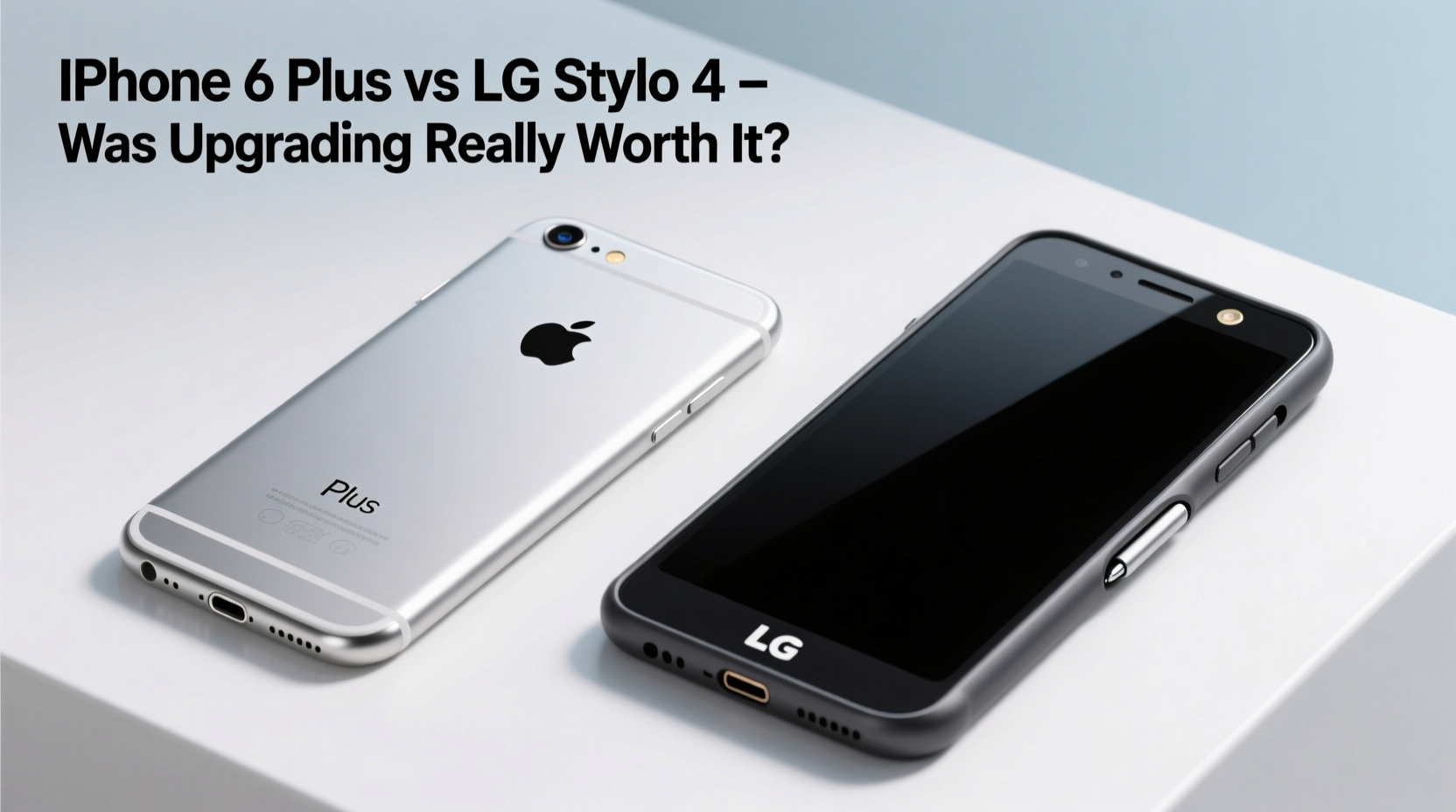
The core of any smartphone experience lies in how smoothly it runs day-to-day tasks. The iPhone 6 Plus was powered by Apple’s A8 chip and 1GB of RAM, which, at launch, delivered excellent performance. By 2018, however, iOS updates had begun to strain the hardware. Many users reported lag when opening apps, delays in multitasking, and longer app load times—especially after updating to iOS 11 or later.
The LG Stylo 4, equipped with a Qualcomm Snapdragon 450 processor and 3GB of RAM, offered significantly more memory and a more modern chipset. While not a high-end performer, it handled basic tasks like web browsing, social media, and video streaming with ease. It launched with Android 8.1 Oreo, bringing features like picture-in-picture, improved battery management, and better background app control—advantages the aging iPhone could not match.
Battery Life and Charging
Battery degradation is a major factor when evaluating older devices. After years of use, the iPhone 6 Plus typically suffers from reduced battery capacity. Even with optimal settings, most units from 2014–2015 struggle to last a full day without recharging. Fast charging wasn’t supported, and wireless charging wasn’t available—features now considered standard.
In contrast, the LG Stylo 4 came with a 3,500mAh battery, a removable back panel, and support for USB charging via micro-USB. In real-world usage, it consistently delivered 1.5 to 2 days of moderate use. The ability to replace the battery yourself (a rarity in modern smartphones) added long-term value. However, the lack of fast charging meant longer wait times compared to contemporary devices.
“Battery longevity isn’t just about capacity—it’s about usability over time. Devices that allow battery replacement outlive sealed models.” — David Lin, Mobile Hardware Analyst
Display and Usability Comparison
The iPhone 6 Plus featured a 5.5-inch Retina HD display with a resolution of 1920x1080. At the time, it was praised for color accuracy and brightness. However, by 2018 standards, the screen felt small and lacked the immersive feel of modern phablets.
The LG Stylo 4 countered with a 6.2-inch 720p LCD screen. Though lower in pixel density and color vibrancy compared to Apple’s Retina display, the larger size made multitasking, reading, and note-taking easier—especially with the included stylus. The aspect ratio was more modern, and the screen-to-body ratio, while still dated by today’s standards, gave a roomier visual experience.
| Feature | iPhone 6 Plus | LG Stylo 4 |
|---|---|---|
| Display Size | 5.5 inches | 6.2 inches |
| Resolution | 1920 x 1080 | 1440 x 720 |
| Processor | Apple A8 | Snapdragon 450 |
| Ram | 1GB | 3GB |
| Storage (Base) | 16GB / 64GB / 128GB | 32GB (expandable up to 2TB) |
| Battery | 2915 mAh (non-removable) | 3500 mAh (removable) |
| OS at Launch | iOS 8 | Android 8.1 Oreo |
| Stylus Support | No | Yes (included) |
Camera and Multimedia Use
The iPhone 6 Plus was renowned for its 8MP rear camera, which, despite lower megapixel count, produced excellent photos thanks to Apple’s image processing, dynamic range, and color science. Video recording in 1080p was smooth and stable. However, low-light performance was average, and the front-facing camera (1.2MP) struggled in dim conditions.
The LG Stylo 4 featured a 16MP rear sensor and a 5MP front camera. While the higher megapixel count looked impressive on paper, image quality suffered in comparison. Photos often appeared oversharpened, with poor dynamic range and inconsistent white balance. Low-light shots were noisy, and autofocus was slower than Apple’s implementation. For casual users, it was sufficient—but enthusiasts noticed the drop in quality.
That said, the Stylo 4 offered features absent on the iPhone 6 Plus: slow-motion video, panoramic shooting, and manual camera modes. These added flexibility, even if execution wasn’t flawless.
Real-World Example: Sarah’s Upgrade Journey
Sarah had used her iPhone 6 Plus since 2015. By 2018, she found herself charging it twice a day, struggling with app crashes, and unable to install the latest versions of Instagram and Facebook due to storage limits. She upgraded to the LG Stylo 4 for $179, attracted by the large screen, stylus, and promise of “newer technology.”
Initially, she loved the extra space and responsiveness. She used the stylus to jot down grocery lists and annotate PDFs—something she never thought she’d do. However, she quickly missed the seamless integration of iMessage, FaceTime, and iCloud. Transferring photos was clunky, and she found Android’s notification system less intuitive. After six months, she sold the Stylo 4 and bought a refurbished iPhone 7. “The specs looked better,” she said, “but the experience wasn’t what I needed.”
Step-by-Step: Evaluating Your Own Upgrade Decision
If you’re considering a similar move—from an older iPhone to a budget Android device—follow this evaluation process:
- Assess your current pain points: Is it battery life? Sluggish performance? Lack of storage?
- Determine what you value most: Ecosystem (iCloud, iMessage), app compatibility, camera quality, or new features (stylus, large screen)?
- Test the target device: Spend time with a demo unit if possible. Try transferring messages, using your most-used apps, and testing camera quality.
- Check software support: The LG Stylo 4 received only one major Android update. Compare that to Apple’s five-year support cycle for iOS updates.
- Consider long-term ownership: Can you replace the battery? Will apps still run smoothly in two years?
Frequently Asked Questions
Can the LG Stylo 4 run modern apps smoothly in 2024?
Most lightweight apps (browser, messaging, email) will work, but newer versions of social media platforms and games may run slowly or not be supported at all. The device lacks security updates and modern API support, making it increasingly obsolete.
Is the stylus on the LG Stylo 4 useful for everyday tasks?
Yes—for note-taking, sketching, or precise selection, the stylus adds functionality. However, it lacks pressure sensitivity and palm rejection, limiting its appeal for professionals. Casual users may find it a fun novelty rather than a necessity.
Should I upgrade from iPhone 6 Plus to any budget Android phone?
It depends. If you prioritize battery life, screen size, and cost, a modern budget Android phone (even newer than the Stylo 4) might be worth it. But if you rely on Apple’s ecosystem, stick with iOS. Consider refurbished newer iPhones instead.
Final Verdict: Was the Upgrade Worth It?
For some, yes. The LG Stylo 4 offered tangible improvements: a larger screen, longer battery life, expandable storage, and a functional stylus. It represented a step into modern smartphone design and capabilities that the iPhone 6 Plus, even when updated, couldn't match.
But for many, especially those embedded in the Apple ecosystem, the trade-offs outweighed the benefits. Loss of iMessage, inconsistent app optimization, weaker camera quality, and limited software updates diminished the overall experience. The Stylo 4 felt like a downgrade in refinement, even with superior specs on paper.
Ultimately, upgrading isn’t just about newer hardware—it’s about whether the new device fits your lifestyle, habits, and digital environment. For users seeking familiarity, reliability, and long-term support, staying within their original ecosystem—or choosing a more capable mid-range Android device—might have been a smarter move.




 浙公网安备
33010002000092号
浙公网安备
33010002000092号 浙B2-20120091-4
Comments
No comments yet. Why don't you start the discussion?