
The iPhone 6 and iPhone 6 Plus were groundbreaking devices when they launched in 2014. With larger screens, improved cameras, and a sleek design, they marked Apple’s shift into the era of bigger smartphones. But over nine years later, are these models still viable options for everyday use? For budget-conscious buyers or those seeking a secondary device, the question remains relevant. While modern smartphones offer advanced features, the enduring build quality and iOS ecosystem of older iPhones often spark interest. This article examines whether the iPhone 6 or 6 Plus holds up today — covering performance, software updates, battery life, and practical considerations.
Performance and Hardware Limitations
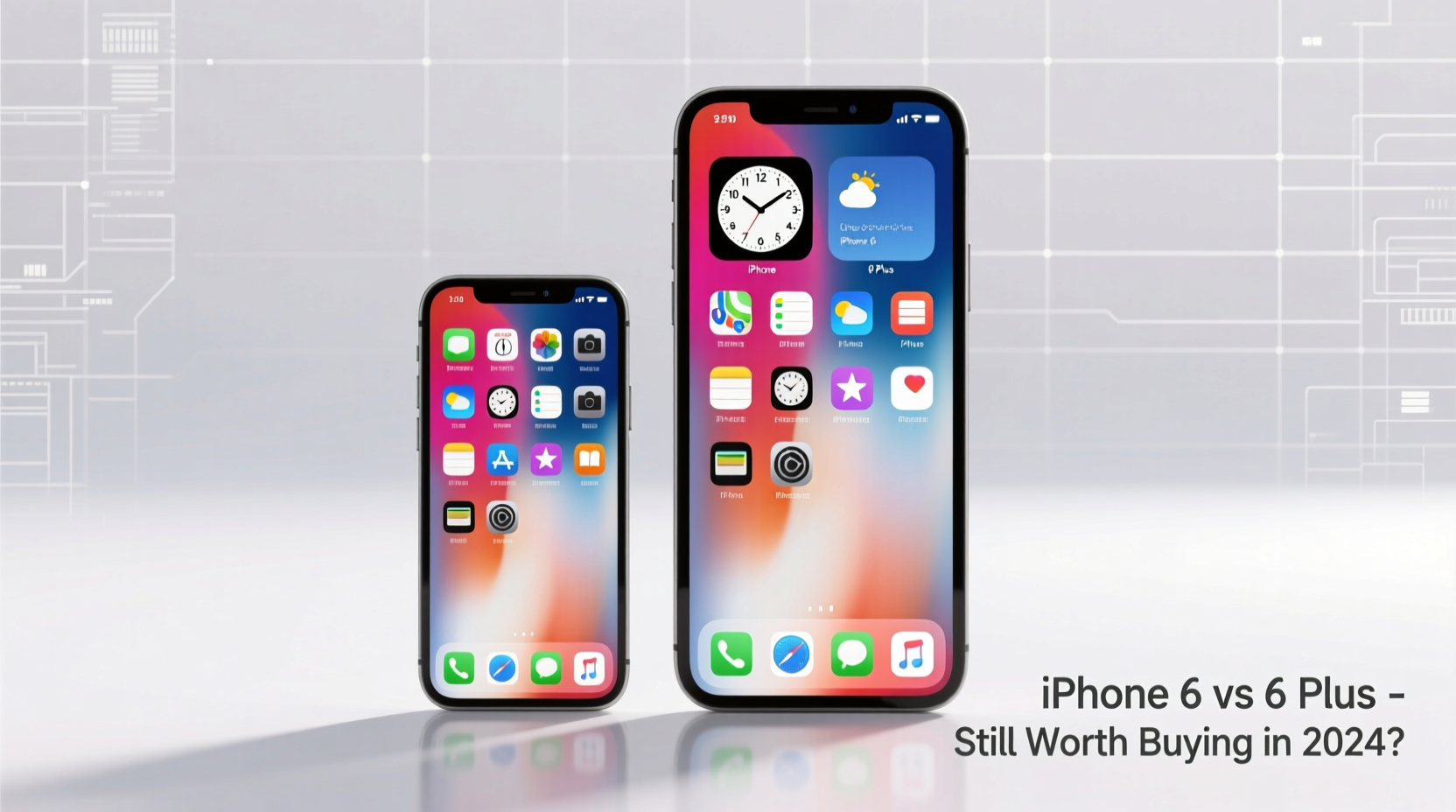
At their peak, the iPhone 6 and 6 Plus ran on Apple’s A8 chip with 1GB of RAM. In 2024, this hardware is severely underpowered compared to even entry-level Android phones. Basic tasks like opening apps, switching between them, and loading web pages can feel sluggish. The lack of processing power becomes especially noticeable when using anything beyond lightweight apps such as Messages, Phone, or Notes.
iOS updates have steadily increased system demands. As of 2024, both devices are capped at iOS 12.5.7 — the last version Apple released for them. This means no access to features introduced in iOS 13 and beyond, including dark mode, redesigned multitasking on iPad, enhanced privacy controls, and newer versions of native apps like Photos and Maps.
Software Support and Security Risks
One of the most critical factors in evaluating any smartphone is ongoing software and security support. Apple stopped issuing regular security updates for the iPhone 6 and 6 Plus after February 2023. The final patch (iOS 12.5.7) addressed known vulnerabilities, but no further fixes are expected. This makes the devices increasingly vulnerable to malware, phishing, and exploits targeting outdated operating systems.
Without updated Safari, Mail, or App Store protections, users risk exposure every time they browse the web or download content. Modern banking apps, messaging platforms, and productivity tools either don’t support iOS 12 or run poorly due to deprecated APIs.
“Devices that no longer receive security patches should not be used for sensitive activities like online banking or email.” — Sarah Lin, Cybersecurity Analyst at MobileTrust Labs
iPhone 6 vs iPhone 6 Plus: Key Differences Today
While both models share the same processor and software limitations, there are notable differences that affect usability in 2024.
| Feature | iPhone 6 | iPhone 6 Plus |
|---|---|---|
| Screen Size | 4.7 inches | 5.5 inches |
| Resolution | 1334 x 750 | 1920 x 1080 |
| Battery Life | ~14 hours talk time | ~24 hours talk time |
| Camera | 8MP rear, no optical stabilization | 8MP rear with optical image stabilization |
| Weight | 129 grams | 172 grams |
| Current Usability | Limited – best for calls/texts | Moderately better for media viewing |
The larger display and superior battery life of the 6 Plus make it more functional for reading, watching videos, or light browsing. Its camera also performs noticeably better in low light thanks to optical image stabilization — a feature absent in the standard iPhone 6.
Real-World Use Case: Can It Be a Daily Driver?
Consider Mark, a retiree in Arizona who purchased a used iPhone 6 Plus for $35 from an online marketplace. He wanted a simple phone for calls, texts, and checking weather updates. Initially satisfied, he soon encountered issues: WhatsApp stopped working after a forced update, his bank app wouldn’t load, and Safari frequently crashed on news sites. After two months, he switched to a refurbished iPhone SE (2nd gen), which supports current iOS versions and handles essential apps smoothly.
This scenario reflects a common experience. While basic functions work, the inability to run updated apps renders the device impractical for most daily needs. Even emergency services like GPS navigation or ride-sharing apps may fail due to compatibility issues.
When Might It Still Make Sense to Buy One?
There are narrow scenarios where purchasing an iPhone 6 or 6 Plus could be justifiable — but only with clear expectations.
- As a dedicated music player: Sync playlists via iTunes and use offline.
- Kids’ first phone: With parental restrictions and Wi-Fi-only usage, though supervision is crucial.
- Emergency backup phone: Keep charged for calls if your primary device fails.
- Repair parts donor: Useful for replacing screens or batteries on similar models.
Step-by-Step: How to Extend Usability (If You Own One)
- Reset and minimize apps: Remove all non-essential apps to free up memory.
- Disable animations: Go to Settings > General > Accessibility > Reduce Motion.
- Turn off background app refresh: Prevents slowdowns from unused apps syncing.
- Use Safari sparingly: Stick to trusted websites; avoid logging into accounts.
- Enable Airplane Mode when idle: Preserves battery and reduces exposure to network threats.
Alternatives That Offer Better Value
For slightly more investment, newer older-generation iPhones deliver significantly better experiences:
- iPhone SE (2020 or 2022): Runs latest iOS, has Touch ID, and supports modern apps.
- iPhone 7 or 7 Plus: Supports up to iOS 15, offering several more years of security updates.
- Refurbished iPhone 8: Available for under $100, includes better camera, performance, and wireless charging.
These models provide access to current App Store standards, secure browsing, and compatibility with services like Apple Wallet, Find My, and iMessage enhancements.
Frequently Asked Questions
Can the iPhone 6 or 6 Plus get iOS 16 or later?
No. The highest supported version is iOS 12.5.7. Apple discontinued updates for these models in 2023.
Are these phones safe to use in 2024?
Not for sensitive tasks. Without security patches, they’re vulnerable to known exploits. Avoid entering passwords, credit card details, or personal information.
How long does the battery last on an old iPhone 6?
Most units today have degraded batteries. Even after replacement, expect 4–6 hours of mixed usage. Frequent recharging increases wear.
Final Verdict: Is It Worth Buying?
In short: only in very limited cases. The iPhone 6 and 6 Plus are obsolete by modern standards. Their hardware struggles with current software demands, and the lack of security updates poses real risks. While nostalgic or functional for ultra-basic tasks, they cannot serve as reliable daily drivers.
If you're drawn to Apple’s ecosystem on a tight budget, look one generation higher. Devices like the iPhone SE (2nd gen) or iPhone 8 offer dramatically better performance, continued software support, and safer browsing — often at prices below $100 when bought refurbished.
“The lifespan of a smartphone isn’t just about how long it turns on — it’s about how securely and effectively it serves your needs.” — David Kim, Mobile Technology Consultant
Conclusion: Upgrade Your Expectations
The iPhone 6 and 6 Plus were milestones in mobile design, but technology moves fast. Holding onto outdated devices may save money upfront but costs in functionality, safety, and frustration. Instead of compromising on performance and security, explore affordable refurbished options that bring genuine value. Your digital life deserves protection, speed, and reliability — qualities today’s older-supported iPhones can actually deliver.




 浙公网安备
33010002000092号
浙公网安备
33010002000092号 浙B2-20120091-4
Comments
No comments yet. Why don't you start the discussion?