
When Apple released the iPhone 8 in 2017, it arrived without the dramatic redesign of the iPhone X, but with meaningful internal upgrades. One of the most debated changes was the camera system. On paper, the jump from the iPhone 7 to the iPhone 8 doesn’t seem revolutionary—both feature a 12MP rear sensor and similar lens specs. But subtle refinements in hardware and processing can make a tangible difference. So, are photos really that much better on the iPhone 8 compared to the iPhone 7? The answer isn’t a simple yes or no—it depends on how you use your phone and what kind of photography matters to you.
Sensor and Image Processing Upgrades
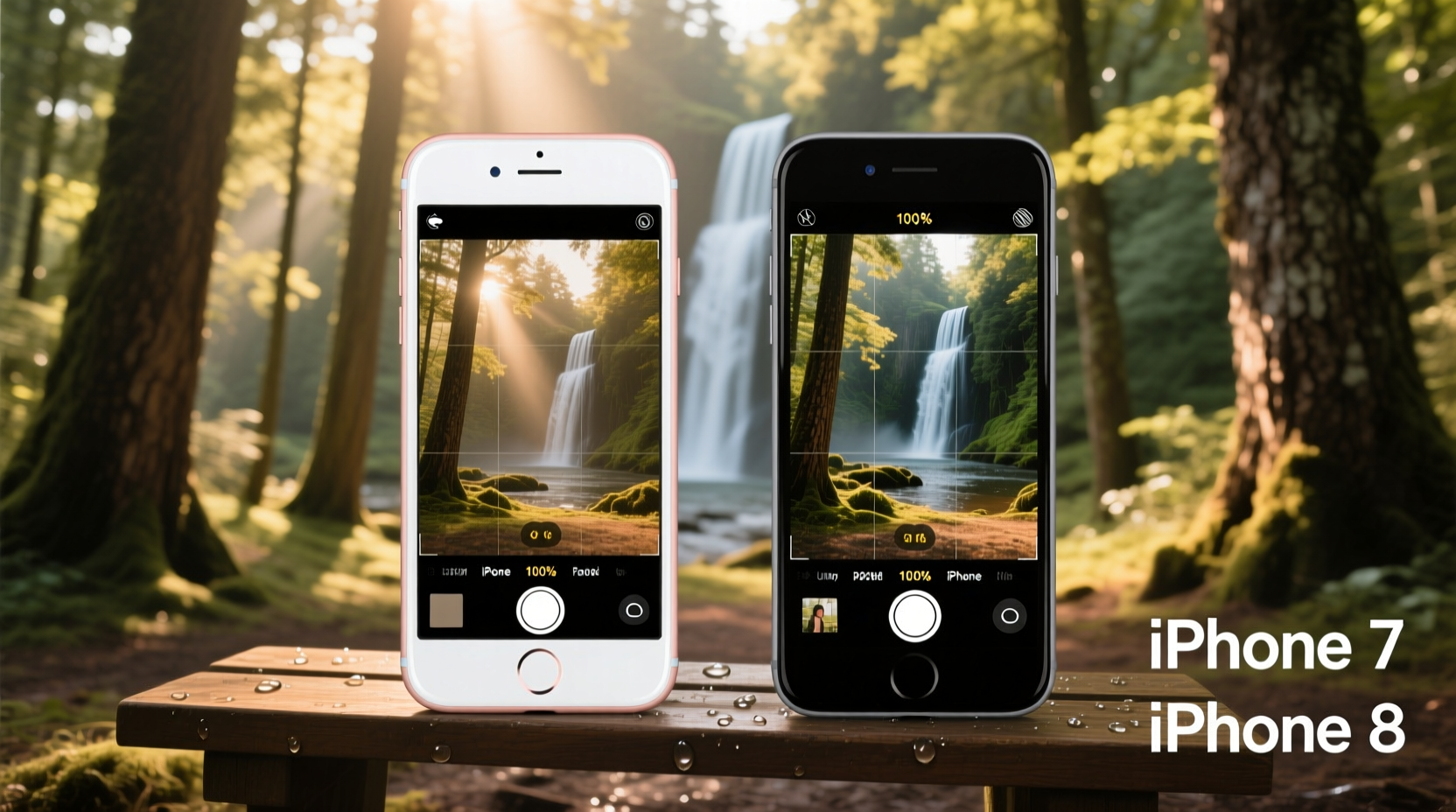
The iPhone 7 introduced optical image stabilization (OIS) to the standard model, a major leap for mobile photography. The iPhone 8 retains that same OIS feature but pairs it with a larger and faster sensor. While both phones have a 12MP f/1.8 rear camera, the iPhone 8’s sensor captures up to 83% more light than the iPhone 7’s under certain conditions. This improvement comes not just from physical changes but also from the shift to the A11 Bionic chip, which powers advanced image signal processing.
The A11 enables smarter noise reduction, better dynamic range, and improved color accuracy. It processes images faster, allowing for enhanced HDR (High Dynamic Range) and more natural-looking shadows and highlights. These behind-the-scenes upgrades mean the iPhone 8 handles challenging lighting situations—like backlit scenes or dimly lit interiors—more gracefully than its predecessor.
Low-Light Performance: Where the Difference Shows
In real-world testing, the most noticeable improvement between the two cameras appears in low-light environments. Whether you're capturing a candlelit dinner or a cityscape at dusk, the iPhone 8 consistently produces cleaner, brighter, and more detailed images.
The combination of a larger sensor and the A11’s image signal processor reduces graininess and preserves detail in darker areas. Shadows retain texture instead of collapsing into black voids, and highlights like streetlights or indoor bulbs are less likely to blow out. While the iPhone 7 still performs admirably, especially for casual snapshots, the iPhone 8 offers a more professional-grade result when lighting is less than ideal.
“Even with identical megapixel counts, sensor efficiency and processing power define real-world photo quality.” — David Kim, Mobile Imaging Analyst at TechVision Labs
Video Quality and Stabilization
Both phones shoot 4K video at 30fps and 1080p at 60fps, but again, the iPhone 8 has an edge. The A11 Bionic allows for better noise handling during video recording, resulting in smoother footage with more consistent exposure. Electronic image stabilization is also improved, reducing jitter and making handheld video significantly more watchable.
If you frequently record videos—whether for social media, vlogs, or family moments—the iPhone 8 delivers noticeably steadier clips with richer colors and finer detail retention, especially in motion. Audio processing benefits too, with clearer sound capture thanks to upgraded microphones and noise filtering.
Side-by-Side Comparison: Key Differences
| Feature | iPhone 7 | iPhone 8 |
|---|---|---|
| Rear Camera | 12MP, f/1.8, OIS | 12MP, f/1.8, OIS |
| Sensor Size | Standard | Larger, faster sensor |
| Image Processor | A10 Fusion | A11 Bionic (Neural Engine) |
| Low-Light Performance | Good | Better (83% more light captured) |
| HDR Photos | Basic HDR | Advanced computational HDR |
| Video Stabilization | Electronic + Optical | Enhanced electronic stabilization |
| Portrait Mode | No (only on iPhone 7 Plus) | No (only on iPhone 8 Plus) |
Note: Neither the iPhone 7 nor the iPhone 8 supports Portrait Mode on the rear camera—this feature requires dual lenses, available only on the Plus models. However, the single-lens improvements on the iPhone 8 still offer better background blur simulation in third-party apps due to faster depth mapping.
Real-World Example: A Weekend Photographer’s Experience
Consider Sarah, a travel blogger who used her iPhone 7 for two years before upgrading to the iPhone 8. She noticed the biggest difference during a trip to Prague, where she often shot in narrow alleys and historic buildings with limited natural light. With the iPhone 7, many of her interior shots required post-processing to brighten shadows. On the iPhone 8, the same scenes came out clearer straight out of the camera, with minimal editing needed.
She also found that sunset photos along the Vltava River retained more sky detail and gradient, avoiding the flat, overexposed look she sometimes got with the iPhone 7. While friends couldn’t always spot the difference in casual viewing, Sarah appreciated the extra headroom for cropping and printing higher-quality images for her blog.
Practical Tips for Maximizing Camera Performance
- Use Grid Lines: Enable the grid in Settings > Camera to apply the rule of thirds and compose stronger shots.
- Tap to Focus and Expose: Tap the screen to set focus point and swipe up/down to adjust exposure manually.
- Avoid Digital Zoom: Both phones lack optical zoom; zooming crops the image and reduces quality.
- Hold Steady in Low Light: The iPhone 8 uses longer exposures—movement causes blur.
- Shoot in Good Light When Possible: Even the best sensors struggle with extreme darkness.
Step-by-Step: Getting the Most from Your iPhone Camera
- Update iOS: Ensure you’re running the latest version for camera optimizations and bug fixes.
- Enable HDR Auto: Go to Settings > Camera and toggle on “Auto HDR” for balanced exposures.
- Use Burst Mode for Action: Hold the shutter button to capture rapid shots—great for pets or kids.
- Review in Photos App: Zoom in to check sharpness and exposure before deleting any shots.
- Edit Minimally: Use built-in tools to tweak brightness, contrast, and warmth without overprocessing.
Frequently Asked Questions
Can you tell the difference between iPhone 7 and iPhone 8 photos on social media?
In most cases, no—not unless you’re looking closely or comparing side by side. On Instagram or Facebook, where images are compressed and viewed on small screens, the differences in dynamic range and noise aren’t easily visible. However, if you view full-resolution versions on a computer or print them, the iPhone 8’s advantages become apparent.
Is the front camera better on the iPhone 8?
The front-facing camera remains 7MP on both models, but the iPhone 8 benefits from Retina Flash and improved processing. Selfies taken in low light appear brighter and more evenly lit thanks to the screen-based flash algorithm. Skin tones are rendered more naturally, and fine details like eyelashes or hair strands are better preserved.
Should I upgrade just for the camera?
If you're still using an iPhone 7, the camera upgrade alone may not justify switching to the iPhone 8—unless you frequently shoot in low light or value every incremental improvement in image fidelity. However, combined with better performance, wireless charging, and longer software support, the overall experience makes the iPhone 8 a worthwhile step up.
Final Thoughts: Incremental Gains, Real Impact
The iPhone 8 doesn’t reinvent the camera, but it refines it. The improvements over the iPhone 7 are evolutionary rather than revolutionary—subtle, yet significant when examined closely. For everyday users, the difference might be imperceptible in casual snaps. But for those who rely on their phone for meaningful photography, whether for work or personal projects, the iPhone 8 delivers more consistent, higher-fidelity results.
Apple’s strategy here reflects a broader trend in smartphone development: squeezing more quality out of nearly identical hardware through smarter software and more powerful processors. The iPhone 8 proves that even without flashy new features, thoughtful engineering can elevate the user experience.




 浙公网安备
33010002000092号
浙公网安备
33010002000092号 浙B2-20120091-4
Comments
No comments yet. Why don't you start the discussion?