
When the Samsung Galaxy A8 launched in late 2016, many iPhone 7 users were faced with a compelling question: should they switch? The iPhone 7, released just months earlier, represented Apple’s polished ecosystem and reliable performance. Meanwhile, the Galaxy A8 offered a sleek design, larger display, and Android flexibility. For users weighing an upgrade from the iPhone 7 to the Galaxy A8—or vice versa—this decision wasn’t just about specs. It involved real-world usability, software experience, longevity, and personal preference. This article breaks down the key differences and evaluates whether switching between these two devices truly delivered meaningful improvements.
Design and Build Quality
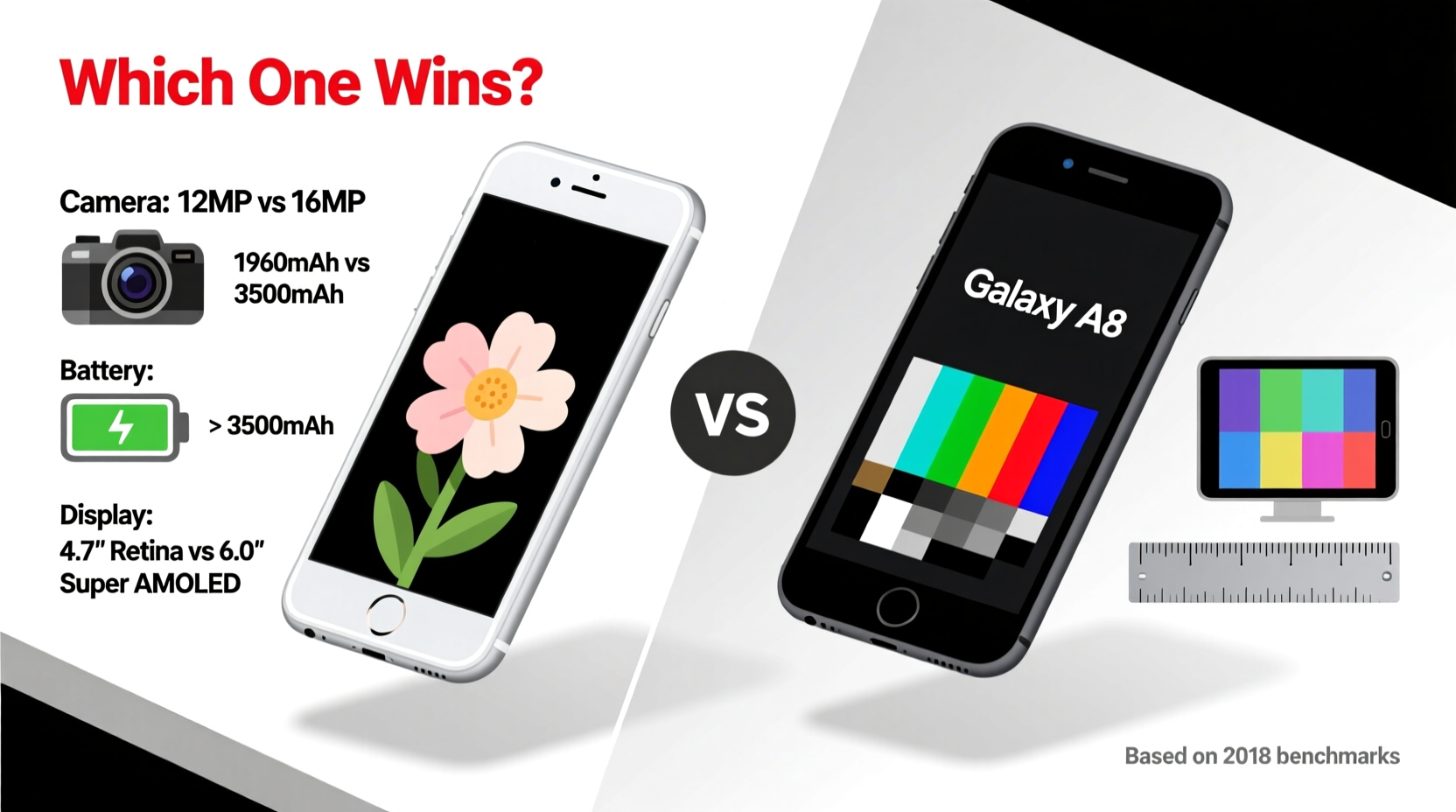
The iPhone 7 introduced a refined aluminum unibody design with water resistance (IP67), a feature that set it apart at its price point. Its compact form factor made it easy to handle, especially for users who preferred one-handed operation. The home button remained physical but transitioned to a haptic feedback system, offering a new kind of tactile response.
In contrast, the Galaxy A8 embraced a more modern aesthetic with slimmer bezels and a curved-edge 5.7-inch Full HD Super AMOLED display. While not officially rated for water resistance, its premium glass-and-metal construction gave it a high-end feel. However, unlike the iPhone 7, it lacked IP certification, which could be a concern for users in wet climates or active lifestyles.
Performance and Software Experience
Under the hood, the iPhone 7 ran on Apple’s A10 Fusion chip—a 64-bit quad-core processor that outperformed most Android counterparts at the time in both CPU and GPU benchmarks. Paired with iOS’s efficient memory management, the device handled multitasking, gaming, and app launches with ease, even years after release.
The Galaxy A8, powered by an Exynos 7420 or Snapdragon 617 (depending on region), used an octa-core setup but operated with only 3GB of RAM. While adequate for everyday tasks, it struggled slightly under heavy workloads and showed signs of lag when switching between multiple apps. Android 6.0 Marshmallow came pre-installed, later upgradable to Nougat and eventually Oreo—but updates were slower and less consistent than Apple’s unified iOS rollout.
“iOS provides a more consistent long-term experience. Even older iPhones receive timely updates, while mid-tier Android devices often get left behind.” — David Lin, Mobile Analyst at TechPulse Insights
iOS also ensured smoother integration with other Apple devices like Macs, iPads, and Apple Watches. For users already invested in the Apple ecosystem, switching to Android meant losing seamless continuity features such as Handoff, iMessage, and iCloud syncing.
Camera Comparison: Real-World Results
The iPhone 7 featured a 12MP rear camera with optical image stabilization, f/1.8 aperture, and improved color accuracy. Its portrait mode (via software enhancement) and video capabilities—especially 4K recording—were ahead of most competitors. Low-light performance was strong, and photos consistently looked natural without excessive processing.
The Galaxy A8 upgraded to a 16MP rear shooter with f/1.9 aperture and added a front-facing 16MP camera aimed at selfie enthusiasts. While the higher megapixel count sounded impressive, image processing often resulted in oversharpened details and washed-out colors in bright conditions. In low light, noise became apparent, and dynamic range fell short of the iPhone 7’s output.
| Feature | iPhone 7 | Galaxy A8 |
|---|---|---|
| Rear Camera | 12MP, f/1.8, OIS | 16MP, f/1.9, no OIS |
| Front Camera | 7MP, f/2.2 | 16MP, f/1.9 |
| Video Recording | 4K @ 30fps | 1080p @ 30fps |
| Low-Light Performance | Excellent | Fair |
| Portrait Mode | Software-based | Not available |
For photography purists, the iPhone 7 delivered more consistent results across lighting conditions. The Galaxy A8 excelled primarily in selfies, appealing to social media users who prioritized front-camera quality.
Battery Life and Charging
The iPhone 7 packed a modest 1,960mAh battery. Despite its small capacity, iOS optimization allowed for solid all-day usage under moderate conditions. However, power users often needed to recharge by late afternoon.
The Galaxy A8 countered with a significantly larger 3,300mAh battery—nearly 70% more capacity. This translated into noticeably longer screen-on time, often stretching into a second day with light use. Fast charging support was included, though wireless charging was absent despite the glass back.
User Transition Case Study: From iPhone to Galaxy
Jamie, a graphic designer based in Portland, switched from an iPhone 7 to a Galaxy A8 in early 2017. Her main motivations were the larger screen for photo editing and the promise of better multitasking with split-screen apps. Initially thrilled with the vibrant display and extended battery life, she quickly encountered friction points.
“I missed iMessage instantly,” she said. “My group chats fragmented because my messages appeared as green bubbles. I also had trouble transferring files smoothly between my MacBook and the Galaxy. After six months, I switched back to an iPhone 8.”
Her experience highlights a common issue: ecosystem lock-in. While hardware may be comparable, the full user experience includes messaging, cloud services, and cross-device workflows—areas where Apple maintains a significant advantage.
Longevity and Future-Proofing
One of the most critical factors in assessing whether an upgrade was “worth it” is long-term usability. The iPhone 7 received iOS updates through iOS 16, meaning it stayed secure and functional for nearly six years. App compatibility remained strong throughout its lifecycle.
The Galaxy A8, while receiving security patches for a few years, stopped getting major OS upgrades after Android 8.0 Oreo. By 2020, many newer apps either ran slowly or ceased supporting the device altogether. This shorter software lifespan diminished its value over time.
- iPhone 7: Supported for ~6 years with regular updates
- Galaxy A8: Major updates ended after ~2 years
- Third-party app support declined faster on Galaxy A8
This disparity underscores a broader trend: flagship and premium iPhones typically enjoy longer software support than mid-range Android phones, even if those Android devices launch with newer hardware.
Was Upgrading Really Worth It?
For some users, yes—particularly those who valued a larger screen, better battery life, and Android customization. The Galaxy A8 offered a fresh design and improved multimedia experience that felt like a step forward from the iPhone 7’s compact format.
However, for most existing iPhone 7 owners, the upgrade did not deliver transformative benefits. The performance gap favored Apple, the camera produced more reliable photos, and the ecosystem integration remained unmatched. Switching required sacrificing iMessage, FaceTime, iCloud Photos, and seamless AirPlay functionality.
Conversely, Android users moving to the iPhone 7 might have found the tighter app ecosystem and superior build quality compelling—but would need to adjust to iOS controls and pay higher prices for equivalent storage configurations.
Checklist: Before You Upgrade, Ask Yourself
- Am I leaving an ecosystem I rely on (iCloud, iMessage, Google services)?
- Does this phone offer meaningful improvements in battery, camera, or performance?
- How long will it receive software updates?
- Will my essential apps function well on the new OS?
- Is the resale value or trade-in worth the switch?
Frequently Asked Questions
Can the Galaxy A8 run modern apps smoothly today?
Most lightweight apps still work, but heavier applications like Instagram, TikTok, or navigation tools may lag or crash due to outdated hardware and limited RAM. It's not recommended as a daily driver in 2024.
Did the iPhone 7 support dual SIM?
No, the iPhone 7 did not have dual-SIM capability. The Galaxy A8 (2016) also lacked dual SIM in most regions, though later variants introduced hybrid slots.
Which phone holds resale value better?
The iPhone 7 retained value significantly longer. Even five years after release, unlocked models fetched higher prices than Galaxy A8 units, thanks to stronger demand and longer usability.
Final Verdict
While the Galaxy A8 brought attractive features like a large AMOLED display and extended battery life, upgrading from the iPhone 7 didn’t deliver enough meaningful advantages to justify the switch for most users. The iPhone 7’s superior processor, longer software support, cohesive ecosystem, and consistent camera performance made it a more future-proof investment.
Technology upgrades should enhance—not disrupt—your digital life. If you're considering a similar move today, evaluate not just the hardware on paper, but how well it integrates with your existing tools, habits, and expectations.




 浙公网安备
33010002000092号
浙公网安备
33010002000092号 浙B2-20120091-4
Comments
No comments yet. Why don't you start the discussion?