
The iPhone 7 was a landmark device in Apple’s lineup—solid build, excellent battery life for its time, and a surprisingly capable camera that set new standards for smartphone photography in 2016. Fast forward to today, and the iPhone 13 represents over half a decade of technological evolution. For users still holding onto an iPhone 7, the question isn’t just about staying current—it’s whether the leap to the iPhone 13 is justified, particularly if your primary motivation is better photo quality.
Camera performance has become one of the top reasons people upgrade smartphones. From social media to family memories, photos are central to how we use our phones. So, is the camera upgrade from iPhone 7 to iPhone 13 significant enough to warrant the switch? The short answer is yes—but let’s dig into the details to understand why, when, and for whom this upgrade truly matters.
Camera Hardware: A Generational Leap
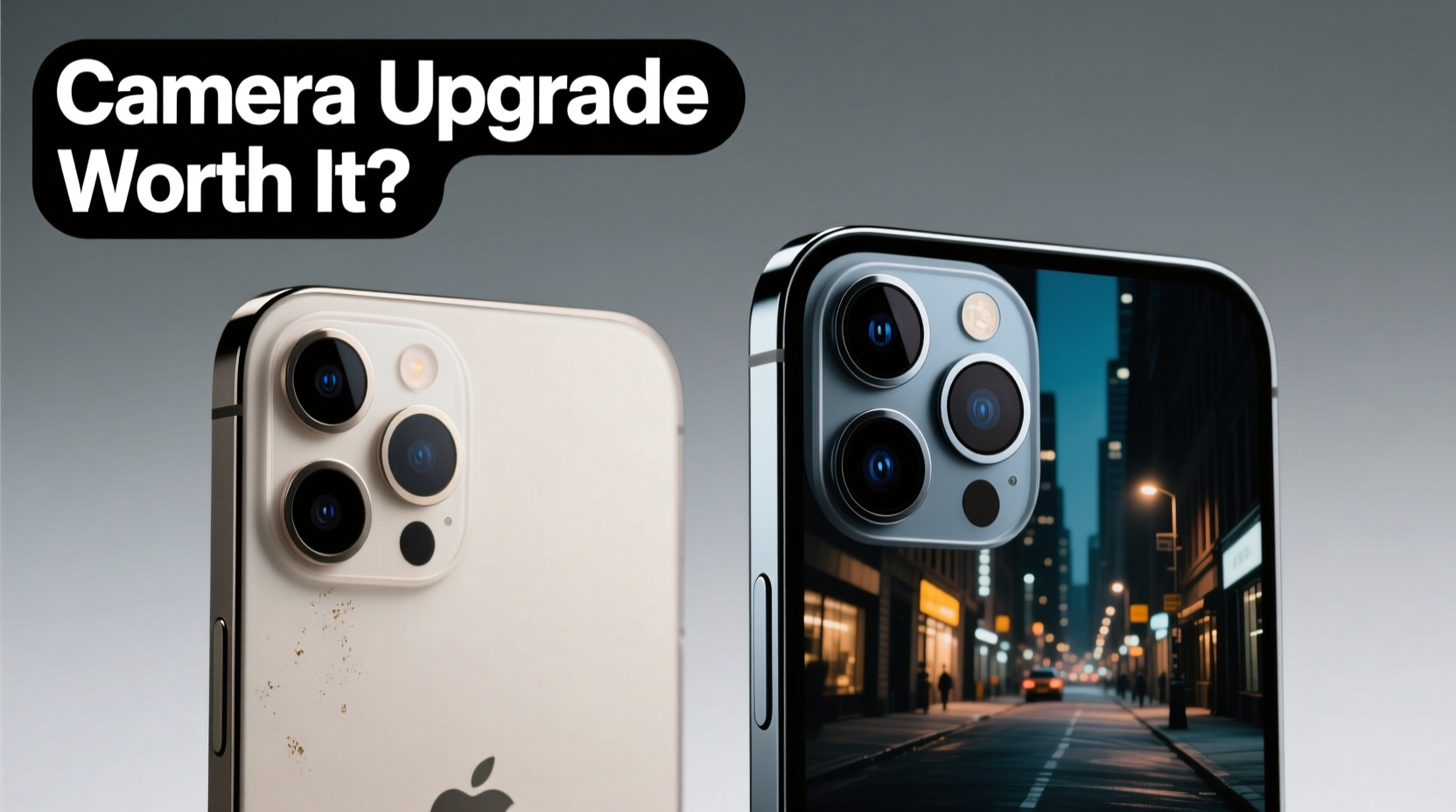
The iPhone 7 features a single 12-megapixel rear camera with an f/1.8 aperture, optical image stabilization (OIS), and 4K video recording at 30fps. At the time, it was among the best mobile cameras available. However, by modern standards, it lacks key advancements that define today’s photography experience.
In contrast, the iPhone 13 comes with a dual-camera system: a 12MP main sensor with a wider f/1.6 aperture and improved OIS, plus a 12MP ultra-wide lens. This alone expands creative possibilities dramatically. But beyond hardware, it's the software and processing power that make the difference most noticeable.
“Smartphone photography today is less about megapixels and more about computational imaging. The gap between a 2016 phone and a 2021 model isn’t just hardware—it’s intelligence.” — Dr. Lena Torres, Imaging Technology Researcher at MIT Media Lab
Image Quality Comparison: Real-World Differences
In daylight, both phones can produce acceptable images, but the iPhone 13 consistently outperforms in dynamic range, color accuracy, and detail retention. Shadows are lifted without crushing highlights, and textures—like fabric, foliage, or skin—are rendered with greater fidelity.
Low-light performance is where the gap widens significantly. The iPhone 13 introduces Night mode across all lenses, automatically activating in dim environments. The larger sensor and advanced pixel binning allow it to gather more light, reducing noise and preserving natural colors. On the iPhone 7, low-light shots often appear grainy, lack detail, and suffer from motion blur—even with OIS.
Portrait mode is another major differentiator. While the iPhone 7 gained Portrait mode via software updates using its single lens, the results were inconsistent, especially around hair or complex edges. The iPhone 13 uses depth data from both lenses and machine learning to create far more accurate subject separation and lighting effects.
Video Capabilities: Beyond Still Photos
If you value video as much as stills, the upgrade becomes even more compelling. The iPhone 13 supports Dolby Vision HDR recording up to 4K at 60fps—a feature absent on the iPhone 7. This means richer contrast, true-to-life colors, and professional-grade footage straight from your pocket.
Cinematic Mode, introduced with the iPhone 13, applies real-time focus transitions during recording, mimicking the shallow depth of field seen in films. While fun and impressive, it’s more of a novelty unless you’re creating narrative-style content.
Processing Power and Computational Photography
Hardware improvements are only part of the story. The iPhone 13 runs on the A15 Bionic chip, which includes a dedicated Neural Engine for machine learning tasks. This enables advanced computational photography features like Smart HDR 4, Deep Fusion, and Photographic Styles—all of which work behind the scenes to optimize every shot.
For example, Deep Fusion analyzes multiple exposures at the pixel level before capturing the final image, enhancing texture and detail in mid-to-low light. The iPhone 7, limited by its A10 Fusion chip, processes images in a single pass with minimal multi-frame stacking, resulting in flatter, noisier outputs under similar conditions.
Beyond image enhancement, faster processing means shorter shutter lag, quicker burst shooting, and smoother camera app responsiveness. These may seem minor individually, but together they transform the user experience—especially when trying to capture fleeting moments.
When the Upgrade Makes the Most Sense
Not every iPhone 7 user needs to upgrade solely for the camera. Consider your usage patterns:
- You regularly share photos on social media and want higher-quality visuals.
- Family events, travel, or outdoor adventures are common, and you rely on your phone as your primary camera.
- You struggle with blurry night shots or poor indoor lighting performance.
- You’ve noticed slower performance in the Camera app or difficulty editing high-res videos.
If these resonate, then yes—the camera upgrade is not only worthwhile but transformative.
Mini Case Study: Sarah’s Family Trip to Iceland
Sarah had been using her iPhone 7 since 2017. When she planned a winter trip to Iceland, she debated renting a mirrorless camera. Instead, she upgraded to an iPhone 13. During golden hour near Jökulsárlón Glacier Lagoon, the iPhone 13 captured vivid sunset hues reflecting off ice chunks with minimal manual input. In dimly lit guesthouses, Night mode preserved warm interior tones without artificial brightness. She later shared unedited photos directly to Instagram, receiving compliments on their “professional” look. For Sarah, the camera alone justified the upgrade—and eliminated the need for extra gear.
Comparison Table: iPhone 7 vs iPhone 13 Camera Features
| Feature | iPhone 7 | iPhone 13 |
|---|---|---|
| Rear Cameras | Single 12MP, f/1.8 | Dual: 12MP Main (f/1.6) + 12MP Ultra-Wide (f/2.4) |
| Optical Image Stabilization | Main camera only | Sensor-shift OIS on main camera |
| Night Mode | No | Yes, on all lenses |
| Portrait Mode | Software-based (limited accuracy) | Depth mapping with edge refinement |
| Video Recording | 4K @ 30fps, no HDR | 4K @ 60fps, Dolby Vision HDR |
| Computational Features | Basic HDR | Smart HDR 4, Deep Fusion, Photographic Styles |
| Front Camera | 7MP, f/2.2 | 12MP, f/2.2, Night Mode, Cinematic Mode |
Checklist: Is It Time to Upgrade?
Use this checklist to determine if switching from iPhone 7 to iPhone 13 makes sense for your photography needs:
- Do you often edit photos on your phone or share them publicly?
- Are you frustrated by blurry or dark pictures indoors or at night?
- Would having an ultra-wide lens help you capture landscapes or group shots better?
- Do you record videos and wish they looked more polished?
- Have you experienced slow camera launch times or app crashes?
- Are you running out of storage due to older file formats?
If you answered “yes” to three or more, the iPhone 13’s camera will likely enhance your daily experience meaningfully.
Frequently Asked Questions
Can the iPhone 7 still take good photos?
Yes, in ideal lighting conditions, the iPhone 7 can produce decent images. However, it lacks modern conveniences like automatic night detection, advanced noise reduction, and wide-angle flexibility. For casual snapshots in daylight, it remains functional—but expectations should be managed.
Is the front camera really better on the iPhone 13?
Significantly. The iPhone 13’s 12MP TrueDepth camera supports Night mode, Smart HDR 4, and Cinematic Mode for video calls and selfies. Compared to the iPhone 7’s 7MP front shooter, the improvement in clarity, dynamic range, and low-light usability is substantial—especially for vlogging or video messaging.
Will my iPhone 7 stop working if I don’t upgrade?
No. Apple continues to support the iPhone 7 with iOS updates, though it may not receive future versions beyond iOS 16. It will remain usable for calls, texts, and basic apps. However, app performance and security updates may degrade over time as developers optimize for newer hardware.
Conclusion: A Worthy Investment for Photographers
Upgrading from the iPhone 7 to the iPhone 13 purely for the camera isn’t just reasonable—it’s one of the most impactful improvements you can make in mobile photography. The combination of superior hardware, intelligent software, and expanded creative tools transforms how you capture and share moments.
If photography plays any meaningful role in your life—whether documenting family, exploring nature, or building a personal brand—the iPhone 13 delivers a noticeably better experience. The images are sharper, more detailed, and truer to what you saw. Videos gain cinematic polish. And in challenging conditions, the phone works harder so you don’t have to.




 浙公网安备
33010002000092号
浙公网安备
33010002000092号 浙B2-20120091-4
Comments
No comments yet. Why don't you start the discussion?