
In an era where flagship smartphones boast foldable screens, AI processors, and 200MP cameras, it’s surprising that two devices launched over six years ago—the iPhone 8 Plus and the Samsung Galaxy S9—still spark heated discussions. Yet, on forums like Reddit, X (formerly Twitter), and tech subgroups, users continue to compare these aging models. The debate isn’t about which is “better” in raw specs today, but rather what they represent: reliability, longevity, and a resistance to planned obsolescence. While both phones have long been discontinued, their enduring relevance speaks volumes about consumer expectations and the shifting landscape of smartphone value.
The Legacy Factor: Why Old Phones Still Matter
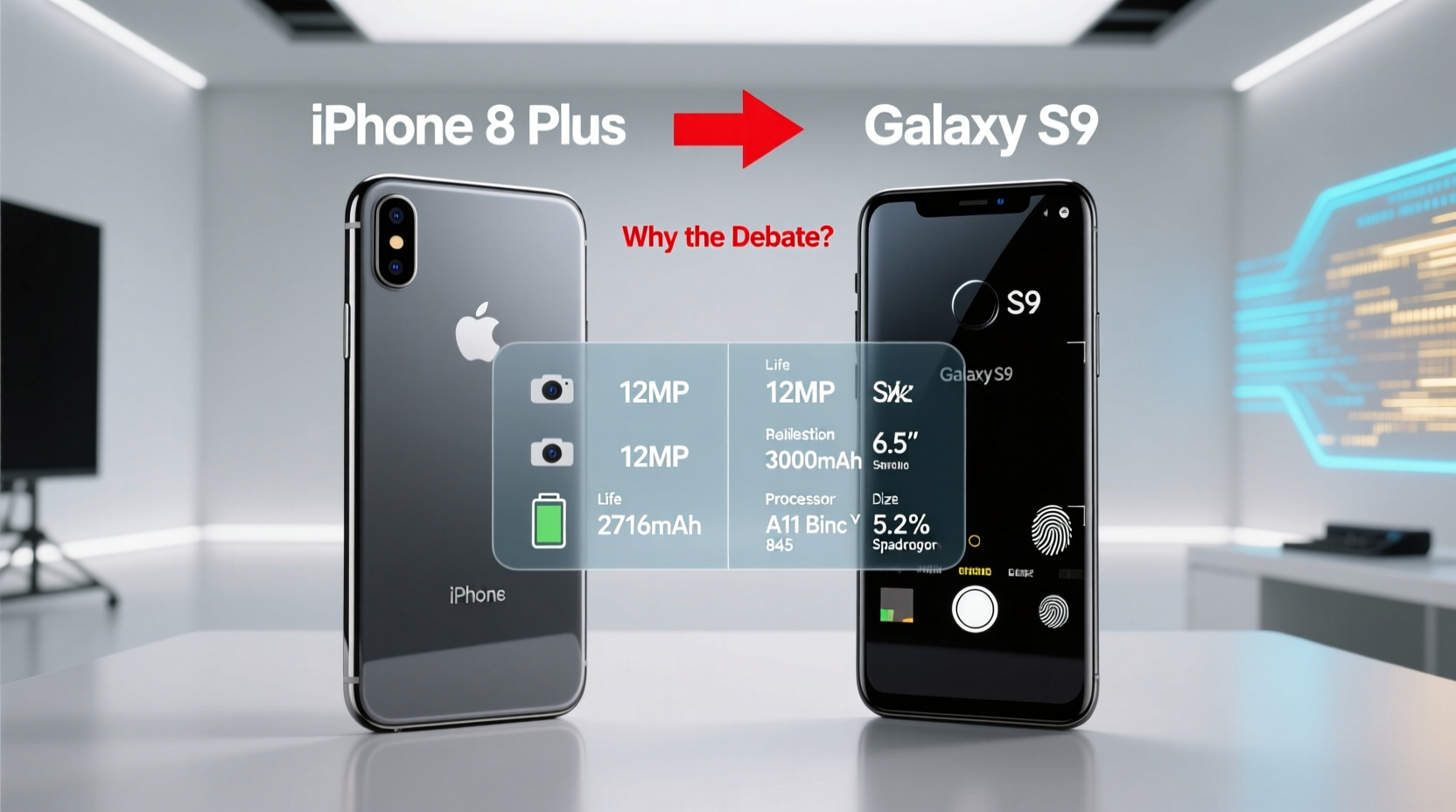
The persistence of the iPhone 8 Plus and Galaxy S9 in public conversation stems from their role as peak devices for certain user segments. For many, these were the last iPhones with a home button and Touch ID before Apple moved to Face ID. The 8 Plus also delivered excellent dual-camera performance and solid battery life. Meanwhile, the Galaxy S9 represented Samsung’s high point in compact flagship design—featuring a 5.8-inch display, IP68 water resistance, and one of the best single-lens camera systems of its time.
Even now, both devices can handle everyday tasks: messaging, browsing, email, and even light gaming. iOS 17 supports the iPhone 8 Plus, making it the oldest iPhone compatible with the latest software. The Galaxy S9, while no longer receiving major Android updates beyond Android 10, remains functional with custom ROMs and lightweight launchers.
“Devices like the iPhone 8 Plus and Galaxy S9 remind us that smartphones don’t need to be replaced every two years. They were built to last—and many still do.” — David Lin, Senior Analyst at MobileTech Review
Performance Comparison: Hardware Then vs Now
When originally released, the iPhone 8 Plus and Galaxy S9 occupied similar premium tiers but differed significantly under the hood. Apple’s A11 Bionic chip outperformed Samsung’s Exynos 9810 and Snapdragon 845 in sustained workloads and app efficiency. This hardware advantage has translated into longer-term usability, especially in app launch speed and multitasking.
The iPhone 8 Plus features 3GB of RAM compared to the S9’s 4GB, yet iOS’s memory management often makes better use of fewer resources. On the other hand, the S9 offered expandable storage via microSD—a feature absent from all iPhones—and a headphone jack, which Apple removed starting with the iPhone 7.
Detailed Feature Comparison
| Feature | iPhone 8 Plus | Galaxy S9 |
|---|---|---|
| Release Date | September 2017 | March 2018 |
| Processor | A11 Bionic | Exynos 9810 / Snapdragon 845 |
| Rear Cameras | 12MP + 12MP (wide & telephoto) | 12MP (variable aperture f/1.5–f/2.4) |
| Front Camera | 7MP | 8MP |
| Battery Capacity | 2691 mAh | 3000 mAh |
| Charging | Qi wireless, 5W wired | Qi/PMA wireless, 15W fast charging |
| Software Support (2024) | iOS 17 supported | No official updates beyond Android 10 |
| Headphone Jack | No (Lightning port) | Yes |
| Expandable Storage | No | Yes (up to 400GB microSD) |
User Loyalty and Emotional Attachment
One reason the debate persists is emotional investment. Many users upgraded to these phones during pivotal life moments—starting a job, traveling abroad, or replacing a long-used device. That connection fosters loyalty. Additionally, both phones marked transitions: the S9 was among the last Galaxy flagships before screen sizes ballooned past 6 inches, and the 8 Plus was the final large iPhone with physical buttons.
This nostalgia is compounded by frustration with modern trends. Today’s smartphones are often criticized for being too large, fragile, or reliant on gesture navigation. In contrast, the iPhone 8 Plus and S9 offer tactile feedback, manageable form factors, and durability. Their aluminum and glass builds may lack the ruggedness of newer armor-grade designs, but they’ve proven resilient in daily use.
Mini Case Study: Maria’s Daily Driver Dilemma
Maria, a freelance photographer based in Portland, bought her iPhone 8 Plus in late 2017. By 2023, she considered upgrading to an iPhone 15 Pro Max but hesitated after testing one in-store. “It felt slippery, too heavy, and I missed having a power button on the side,” she said. She also found Face ID unreliable when wearing masks. After researching battery replacement costs and iOS 17 compatibility, she opted to replace her 8 Plus’s battery and keep using it. “It still takes great photos, syncs with my Mac, and doesn’t slow me down,” she explained. Her story reflects a growing trend: users choosing longevity over novelty.
The Value Proposition in 2024
Today, both phones can be found secondhand for $50–$120, depending on condition. At that price, they serve as excellent backup phones, travel devices, or starter smartphones for teens. Their continued functionality highlights a broader issue: the environmental and economic cost of frequent upgrades. According to a 2023 report by the European Environmental Bureau, extending smartphone lifespan by just one year could reduce CO₂ emissions by 2.1 million tons annually.
For budget-conscious consumers, refurbishing an iPhone 8 Plus or Galaxy S9 is more sustainable than buying new mid-range models that may not receive long-term updates. Both devices support modern security standards, basic mobile banking, and essential apps like WhatsApp, Google Maps, and Zoom—albeit with occasional lags in media-heavy applications.
Step-by-Step Guide: Reviving an Old iPhone 8 Plus or Galaxy S9
- Assess Battery Health: On iPhone, go to Settings > Battery > Battery Health. Replace if capacity is below 80%. On S9, check usage patterns in Device Care.
- Factory Reset: Erase all data and reinstall the OS to eliminate clutter and improve speed.
- Update Software: Install the latest available OS version (iOS 17 for 8 Plus, or consider LineageOS for S9).
- Optimize Settings: Disable animations, auto-brightness, and background app refresh.
- Use Lightweight Apps: Replace Facebook with Lite versions or web browsers. Avoid resource-heavy games.
- Add Protection: Use a case and screen protector to prevent damage and extend usability.
Expert Insight: What Engineers Say About Longevity
According to Dr. Lena Cho, a hardware engineer at a leading mobile repair lab, “The iPhone 8 Plus benefits from Apple’s vertical integration. The tight control over hardware and software means older chips remain efficient even as new features roll out.” She adds that Samsung’s fragmented update system—especially across Exynos and Snapdragon variants—limited the S9’s long-term support. “Apple’s commitment to seven years of updates sets a standard others are only beginning to match.”
“The real test of a phone isn’t its launch-day benchmark score—it’s whether it still works well five years later.” — Dr. Lena Cho, Hardware Engineer
Frequently Asked Questions
Can the iPhone 8 Plus run iOS 17 smoothly?
Yes, the iPhone 8 Plus officially supports iOS 17. While it won’t handle intensive AR apps or 4K video editing as fluidly as newer models, core functions like messaging, browsing, and photography remain responsive. Users report minor lag when switching between apps, but overall performance is stable.
Is the Galaxy S9 still secure to use in 2024?
The S9 no longer receives official security patches from Samsung. However, using a trusted custom ROM like LineageOS can restore regular updates. Avoid storing sensitive financial data or using outdated browsers. With precautions, it can be used safely for limited purposes.
Which phone has better camera quality today?
The iPhone 8 Plus holds up better due to consistent software updates enhancing image processing. Its portrait mode and color accuracy remain impressive. The S9’s variable aperture was innovative, but without computational photography updates, its low-light performance has aged poorly compared to Apple’s machine learning-driven enhancements.
Final Thoughts: Beyond the Specs
The ongoing debate between the iPhone 8 Plus and Galaxy S9 isn’t really about technical superiority. It’s a reflection of changing priorities. Consumers are increasingly valuing durability, software longevity, and simplicity over cutting-edge features. These two devices represent a turning point—before bezel-less obsession, before eSIM-only models, and before annual upgrades became expected.
Choosing between them today comes down to ecosystem preference: iOS consistency versus Android flexibility. But more importantly, their lasting appeal challenges the assumption that newer is always better. In a world of rapid innovation, sometimes the most powerful statement is choosing to keep using something that still works.




 浙公网安备
33010002000092号
浙公网安备
33010002000092号 浙B2-20120091-4
Comments
No comments yet. Why don't you start the discussion?