
In 2017, smartphone buyers faced a pivotal decision: stick with Apple’s proven ecosystem or embrace Samsung’s bold new direction with the Galaxy S8. The iPhone 8 and Galaxy S8 represented two divergent philosophies in mobile design and functionality. Now, with nearly seven years of hindsight, we can assess not just their initial appeal but their lasting impact. Was upgrading from an older device to either model truly worth it? And how do they stack up against each other in retrospect?
Design Philosophy: Minimalism vs. Innovation
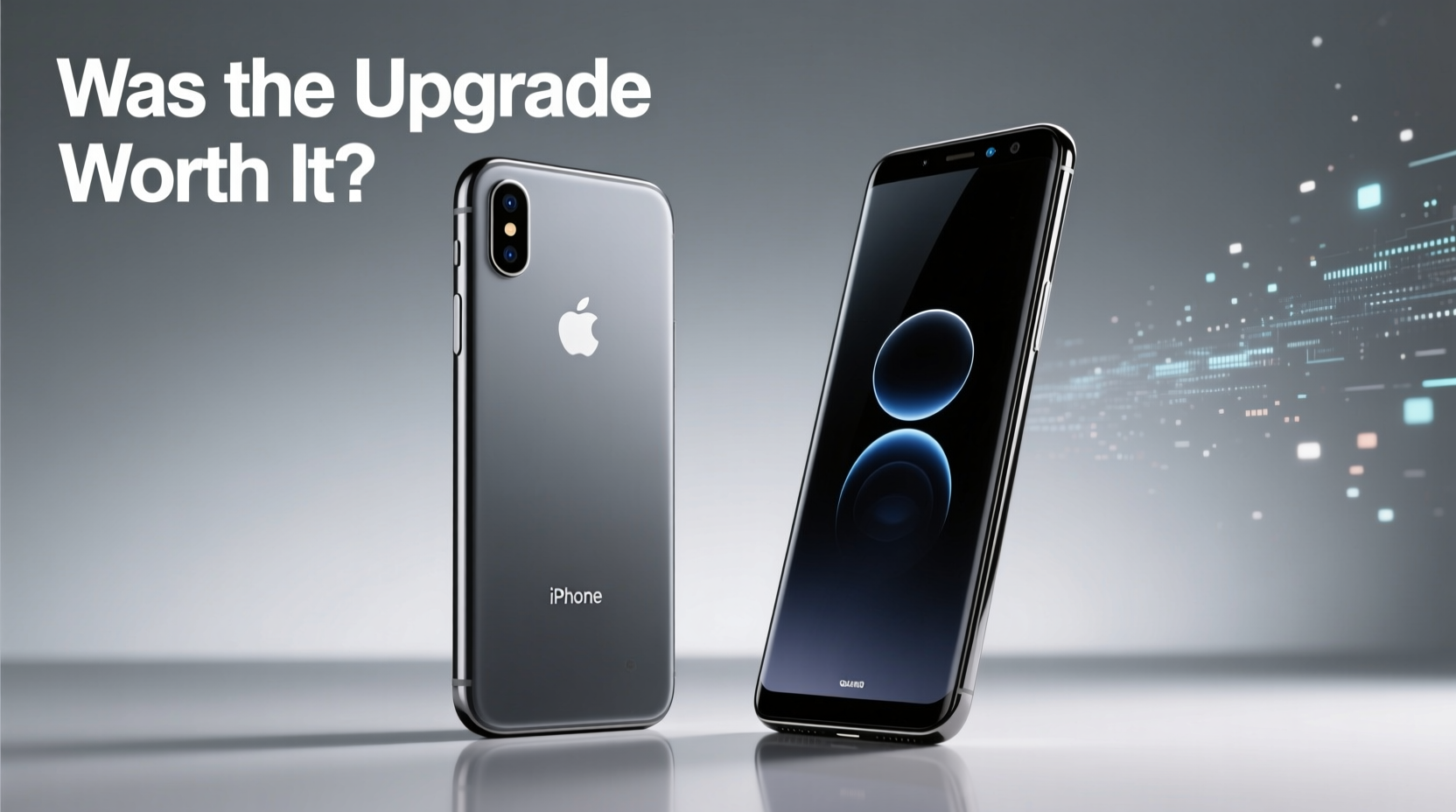
The iPhone 8 marked the end of an era for Apple—a final nod to the classic iPhone form before the full-screen shift introduced with the iPhone X later that same year. It retained the home button, thick bezels, and a compact 4.7-inch display. Constructed with glass on both front and back, it supported wireless charging for the first time in an iPhone, signaling Apple’s commitment to future-proofing.
In contrast, the Galaxy S8 was a radical departure. Samsung eliminated physical buttons, curved the screen edges dramatically, and introduced an edge-to-edge 5.8-inch Infinity Display. At the time, it felt like stepping into the future. The sleek, symmetrical design with minimal bezels set a new standard for Android flagships.
While the iPhone 8 prioritized familiarity and durability—especially for users transitioning from earlier models—the S8 pushed boundaries. However, its glass construction made it more prone to cracking, and the placement of the fingerprint sensor next to the camera frustrated many users.
Performance and Software Longevity
Under the hood, both phones were powered by top-tier hardware in 2017. The iPhone 8 featured Apple’s A11 Bionic chip, built on a 64-bit architecture with a six-core CPU and embedded M11 motion coprocessor. This gave it exceptional efficiency and raw power for iOS tasks. Even today, some iPhone 8 units continue to run the latest versions of iOS, though support is now limited.
The Galaxy S8 used either Qualcomm’s Snapdragon 835 (in the U.S.) or Samsung’s Exynos 8895 (internationally), depending on region. While powerful at launch, these chips did not age as gracefully as Apple’s silicon. By 2021, Samsung had ended major OS updates for the S8, capping its lifespan at four Android versions (from Nougat to One UI 3 based on Android 11).
iOS updates for the iPhone 8 continued until iOS 16 in 2022—with minor security patches extending into 2023—giving it roughly five years of full support. This extended software lifecycle offered better long-term value, especially for users who prefer keeping devices longer.
“Apple’s tight integration between hardware and software allows older devices to remain functional years after release.” — David Kim, Mobile Systems Analyst at TechInsight Group
Camera Capabilities: Consistency vs. Flexibility
The iPhone 8 featured a single 12MP rear camera with optical image stabilization, f/1.8 aperture, and improved low-light performance over its predecessor. Its strength lay in consistency—reliable color science, excellent dynamic range, and strong video recording (including 4K at 60fps). For casual photographers and content creators, it delivered predictable, high-quality results.
The Galaxy S8 also sported a 12MP rear shooter but used a dual-pixel autofocus system that enhanced focus speed. Its strengths included superior HDR processing and brighter daylight shots. However, early firmware issues caused over-sharpening and unnatural skin tones. Samsung addressed many of these through updates, but the lack of a telephoto lens limited zoom capabilities compared to competitors offering dual-camera setups.
For portrait photography, the iPhone 8 relied solely on software-based depth mapping, which often struggled with edge detection. The S8 offered similar limitations. Neither phone matched the bokeh accuracy of contemporaries like the iPhone 7 Plus or Huawei P10, both of which had dedicated secondary lenses.
Camera Comparison Table
| Feature | iPhone 8 | Galaxy S8 |
|---|---|---|
| Rear Camera | 12MP, f/1.8, OIS | 12MP, f/1.7, Dual Pixel AF |
| Front Camera | 7MP, f/2.2 | 8MP, f/1.7 |
| Video Recording | 4K @ 60fps | 4K @ 30fps |
| Low-Light Performance | Very good | Good, but inconsistent |
| Portrait Mode | Software-only (iOS 11+) | No native mode; third-party apps only |
Battery Life and Real-World Usability
Battery capacity wasn’t where the iPhone 8 shone—its 1,821 mAh cell was modest even by 2017 standards. Still, iOS optimization helped stretch it to a full day under moderate use. Heavy usage, however, often required midday charging. Wireless charging added convenience but didn’t compensate for the small battery size.
The Galaxy S8 packed a larger 3,000 mAh battery and adaptive power management. In practice, this translated to slightly better endurance, particularly when using the efficient AMOLED display at lower brightness. Fast charging and expandable storage via microSD were additional advantages absent on the iPhone 8.
A real-world example illustrates this difference: Sarah, a travel blogger using her phone extensively for navigation, photos, and social media posting, found herself carrying a portable charger daily with the iPhone 8. She upgraded to the S8 six months later and reported gaining nearly two extra hours of screen time during long days abroad—enough to make a tangible difference.
Mini Case Study: Two Years Down the Line
Mark owned an iPhone 6S and upgraded to the iPhone 8 in late 2017. He appreciated the faster processor and wireless charging but noticed diminishing returns by 2019—apps began slowing down, and iOS updates became more taxing. Meanwhile, his friend Lisa switched from a Galaxy S6 to the S8 and enjoyed smoother multitasking and newer features like Bixby and Samsung DeX. By 2020, however, both users faced similar challenges: aging batteries, reduced app compatibility, and declining resale value. Mark held onto his iPhone 8 until 2022 due to iOS support; Lisa replaced her S8 in 2020 due to lag and update discontinuation.
Was the Upgrade Worth It?
For iPhone users coming from the 6 or 6S, the iPhone 8 offered meaningful improvements: faster performance, better cameras, and wireless charging—all within a familiar interface. The seamless integration with AirPods, Apple Watch, and iCloud made it a logical step forward without requiring relearning.
The Galaxy S8, meanwhile, appealed to those seeking innovation. Its immersive display, IP68 water resistance, and expandable storage made it a compelling choice for Android enthusiasts. But early bugs, fingerprint placement issues, and shorter software support tempered its long-term appeal.
Ultimately, the “worth” of the upgrade depended on individual priorities:
- Longevity seekers benefited more from the iPhone 8’s extended update cycle.
- Design-forward users gravitated toward the S8’s futuristic look.
- Power users needing flexibility preferred the S8’s microSD and multi-window features.
- Ecosystem loyalists found greater value staying within Apple’s tightly integrated environment.
Checklist: Evaluating Your Own Upgrade Decision (Hindsight Edition)
- Did the device receive at least four years of OS updates?
- Was repair cost reasonable compared to replacement?
- Did core functions (camera, battery, speed) degrade significantly after two years?
- Could the phone handle essential apps three years post-launch?
- Was resale value maintained reasonably well?
Frequently Asked Questions
Which phone had better build quality?
Both used glass and metal, but the iPhone 8’s flat edges made it less prone to accidental drops than the S8’s curved sides. However, the S8’s IP68 rating gave it an edge in dust and water resistance.
Can either phone still be used in 2024?
Possibly, but not ideally. The iPhone 8 struggles with modern app demands and lacks support beyond iOS 16. The S8 stopped receiving security patches in 2020. Neither handles current web browsing or social media apps smoothly.
Why did Apple skip a major design change with the iPhone 8?
The iPhone 8 served as a transitional model. Apple reserved its full redesign—the all-screen Face ID experience—for the iPhone X, released simultaneously. The 8 catered to conservative adopters unwilling to embrace gesture navigation yet.
Final Verdict and Moving Forward
Looking back, the iPhone 8 offered a safer, more sustainable upgrade path with superior long-term software support. The Galaxy S8 dazzled at launch but faltered in longevity. For most users, especially those valuing stability over spectacle, the iPhone 8 proved the more worthwhile investment.
That said, the S8’s influence cannot be understated—it redefined what a smartphone could look like and pushed rivals to innovate. Both devices played crucial roles in shaping the smartphones we use today.




 浙公网安备
33010002000092号
浙公网安备
33010002000092号 浙B2-20120091-4
Comments
No comments yet. Why don't you start the discussion?