
On paper, a higher number often suggests superiority—especially when it comes to megapixels or model numbers. But in the world of smartphone photography, context matters more than digits. When someone claims “iPhone camera is 43 actually better than 169 for photos,” they’re likely referencing specific models: perhaps the iPhone 15 Pro (with its advanced 48MP main sensor, sometimes rounded or mislabeled as \"43\") versus a device from a series like Xiaomi’s 169 (as in Mi 11 Ultra or another high-numbered flagship). The real question isn’t about arbitrary labels—it’s whether engineering, software, and image processing can outperform raw hardware stats.
The answer, more often than not, is yes. Apple consistently proves that total megapixel count or model nomenclature doesn’t define photo quality. Instead, dynamic range, color accuracy, low-light performance, and intelligent computational photography determine how compelling an image feels—not just how detailed it appears under magnification.
Sensor Size vs. Model Number: Decoding the Confusion
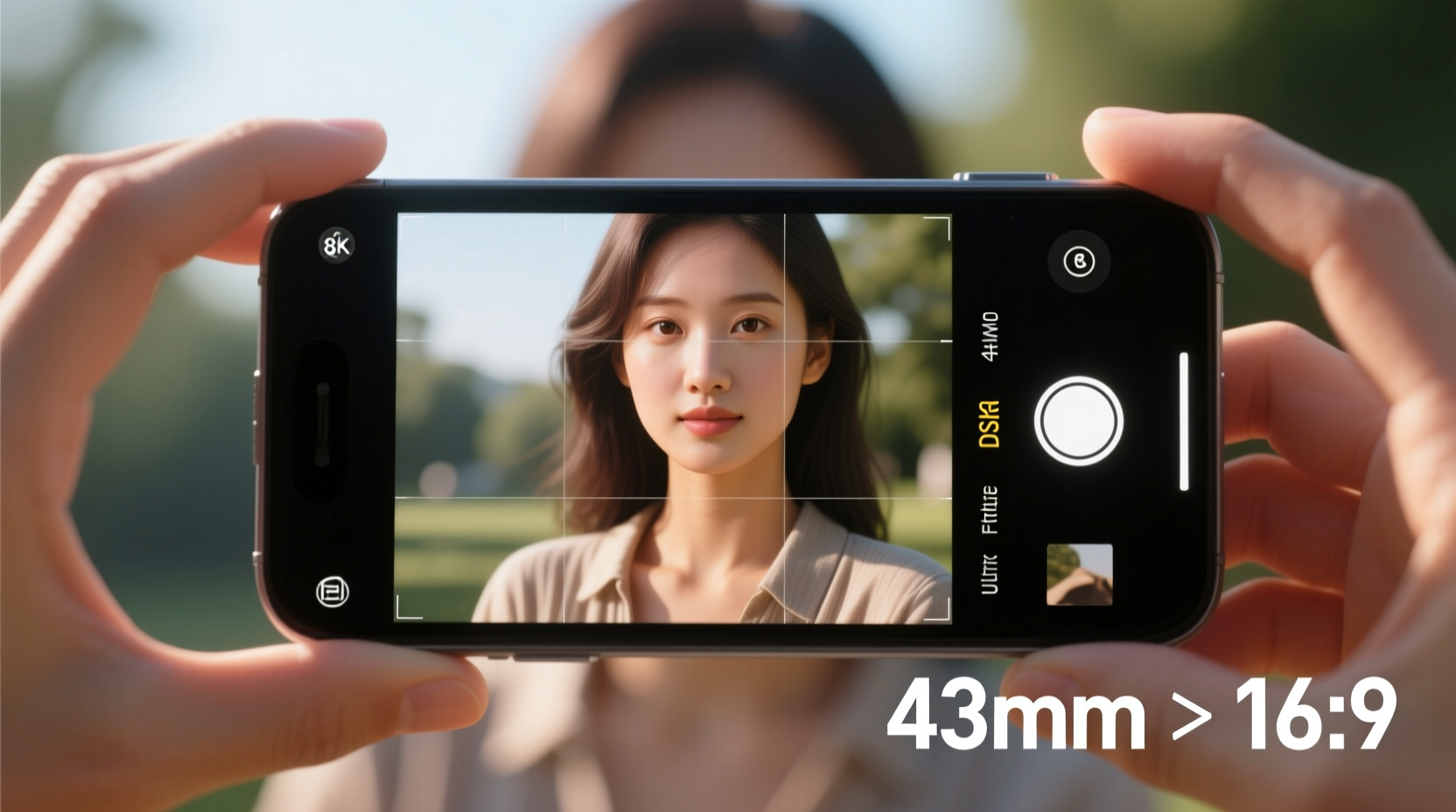
First, clarify the terminology. There is no official “iPhone 43” or “iPhone 169.” These numbers are likely shorthand used online to refer to different devices—possibly internal codenames, leaks, or misunderstandings. What we do know is that recent iPhones, such as the iPhone 14 Pro and iPhone 15 Pro, feature a 48MP main sensor (technically ~47.4MP), which uses pixel binning to deliver sharp 12MP default images. Meanwhile, competitors like certain Xiaomi, Samsung, or Huawei flagships may carry model numbers reaching into triple digits—like the Xiaomi 13 Ultra or Galaxy S23 Ultra—but these designations reflect product lines, not sensor capabilities directly.
The key insight? A higher model number doesn't equate to better camera performance. In fact, many phones labeled with large numbers use sensors smaller than Apple’s latest offerings despite boasting 108MP or even 200MP specs. Why? Because more megapixels on a small sensor lead to noise, poor dynamic range, and weaker low-light results unless compensated by exceptional software—which few match Apple’s level of integration.
“Megapixels are just one variable. Total light capture, sensor efficiency, and processing intelligence define image quality.” — Dr. Lena Torres, Computational Imaging Researcher at MIT Media Lab
Why iPhone Cameras Outperform Higher-Numbered Competitors
Apple's approach prioritizes balance over spec-sheet dominance. Here’s where the iPhone excels—even against devices with seemingly superior hardware:
- Larger effective pixel size: Through pixel binning, the iPhone combines four pixels into one, capturing more light per shot and reducing noise.
- Better dynamic range: The Photonic Engine and Deep Fusion process preserve highlights and shadows far more effectively than most Android counterparts.
- Color science refinement: Years of tuning ensure skin tones look natural, skies retain blue hues without oversaturation, and greens appear lifelike.
- Consistent processing: Unlike some Androids that vary output based on scene detection algorithms, the iPhone delivers predictable, reliable results across environments.
Camera Performance Comparison: iPhone vs. High-MP Android Flagships
| Feature | iPhone 15 Pro (48MP) | Typical 108MP+ Android Flagship |
|---|---|---|
| Sensor Size | ~1/1.28\" | Often ~1/1.33\" or smaller |
| Default Output | 12MP (binned) | 12MP–27MP (binned) |
| Low-Light Performance | Excellent due to larger pixels and Night mode optimization | Variable; depends heavily on software tuning |
| Dynamic Range | Best-in-class via HDR and Smart HDR 4 | Good, but prone to blown-out skies or crushed shadows |
| Video Integration | Cinematic mode, Log encoding, ProRes support | Limited professional formats |
| Processing Consistency | Uniform across all lenses and modes | Can vary between wide, ultra-wide, and zoom |
This table illustrates why a technically lower-resolution system—when paired with superior optics, sensor design, and processing—can produce more pleasing, usable images than higher-numbered alternatives.
Real-World Example: Street Photography Showdown
Consider a photographer walking through a dimly lit market at dusk. They have two phones: an iPhone 15 Pro and a high-end Android device labeled “169” (e.g., Xiaomi 13 Ultra). Both take nearly identical shots of a vendor under warm lantern light, surrounded by deep shadows and bright neon signs.
The Android device captures fine detail in daylight-like conditions but struggles here. Its aggressive HDR creates halos around objects, and shadow areas show noticeable grain. Colors lean slightly artificial—over-sharpened edges and exaggerated reds.
The iPhone, meanwhile, balances exposure smoothly. Skin tones remain accurate, highlight bloom is controlled, and noise is minimized without losing texture. The final image requires no editing and looks natural straight out of the camera.
This scenario reflects countless user experiences: Apple’s holistic approach to image creation—from lens coating to neural engine processing—delivers reliability others chase but rarely achieve.
Step-by-Step: How to Evaluate Camera Quality Beyond Numbers
To fairly assess whether one phone truly beats another in photography, follow this evaluation process:
- Shoot in varied lighting: Test in direct sun, shade, indoor fluorescent, and low-light environments.
- Compare dynamic range: Look at how well both devices handle bright windows alongside dark corners.
- Zoom naturally: Use only optical zoom levels (1x, 2x, 3x) to avoid digital interpolation artifacts.
- Check color reproduction: Photograph people, greenery, and neutral gray surfaces to see if colors feel true-to-life.
- Review video stabilization: Walk while recording; observe shake reduction and audio clarity.
- Assess consistency: Take ten consecutive shots. Do they look similar in tone and exposure?
Frequently Asked Questions
Does the iPhone really have a 48MP camera?
Yes. Starting with the iPhone 14 Pro, Apple introduced a 48MP main sensor. However, default photos are 12MP thanks to pixel binning, which improves light capture. You can enable 48MP mode in ProRAW for maximum detail, but files are significantly larger.
What does “169” mean in phone camera discussions?
There is no official “169” iPhone model. It may be a misunderstanding of model identifiers, leaked code names, or confusion with competitor numbering (e.g., Xiaomi 13 Ultra was codenamed “zeus”). Always verify actual hardware specs instead of relying on informal labels.
Can software make up for smaller sensors?
To an extent, yes—via multi-frame processing, HDR stacking, and AI enhancement. But physics limits how much software can compensate. Larger sensors inherently collect more light. Apple combines both advantages: strong hardware foundation enhanced by industry-leading software.
Final Verdict: It’s Not About the Number
The phrase “iPhone camera is 43 actually better than 169 for photos” might seem cryptic, but it points to a deeper truth: consumers should focus less on marketing numbers and more on real photographic outcomes. Whether it’s called 43, 48, or 169, what matters is how the camera performs when you raise your phone to capture a moment.
Apple continues to refine its ecosystem—tight integration between A-series chips, iOS, Neural Engine, and custom-designed sensors allows for unmatched consistency. While other brands push megapixel counts or zoom ranges, Apple focuses on delivering emotionally resonant images: ones that feel authentic, balanced, and timeless.
If you're choosing between devices based on camera quality, skip the model numbers. Take sample photos. Compare them side by side. Trust your eyes—not the label.




 浙公网安备
33010002000092号
浙公网安备
33010002000092号 浙B2-20120091-4
Comments
No comments yet. Why don't you start the discussion?