
In recent years, a quiet but noticeable trend has emerged among smartphone enthusiasts: long-time Android loyalists, particularly those who favored Google’s Pixel series for its acclaimed camera, are increasingly making the switch to iPhone. While the Pixel has long been praised for its computational photography and AI-driven enhancements, many users now find themselves drawn to the iPhone’s consistent image quality, seamless ecosystem, and superior video performance. This shift isn’t about brand loyalty—it’s about real-world results and evolving priorities in mobile photography.
The Camera Showdown: Strengths of Each Platform
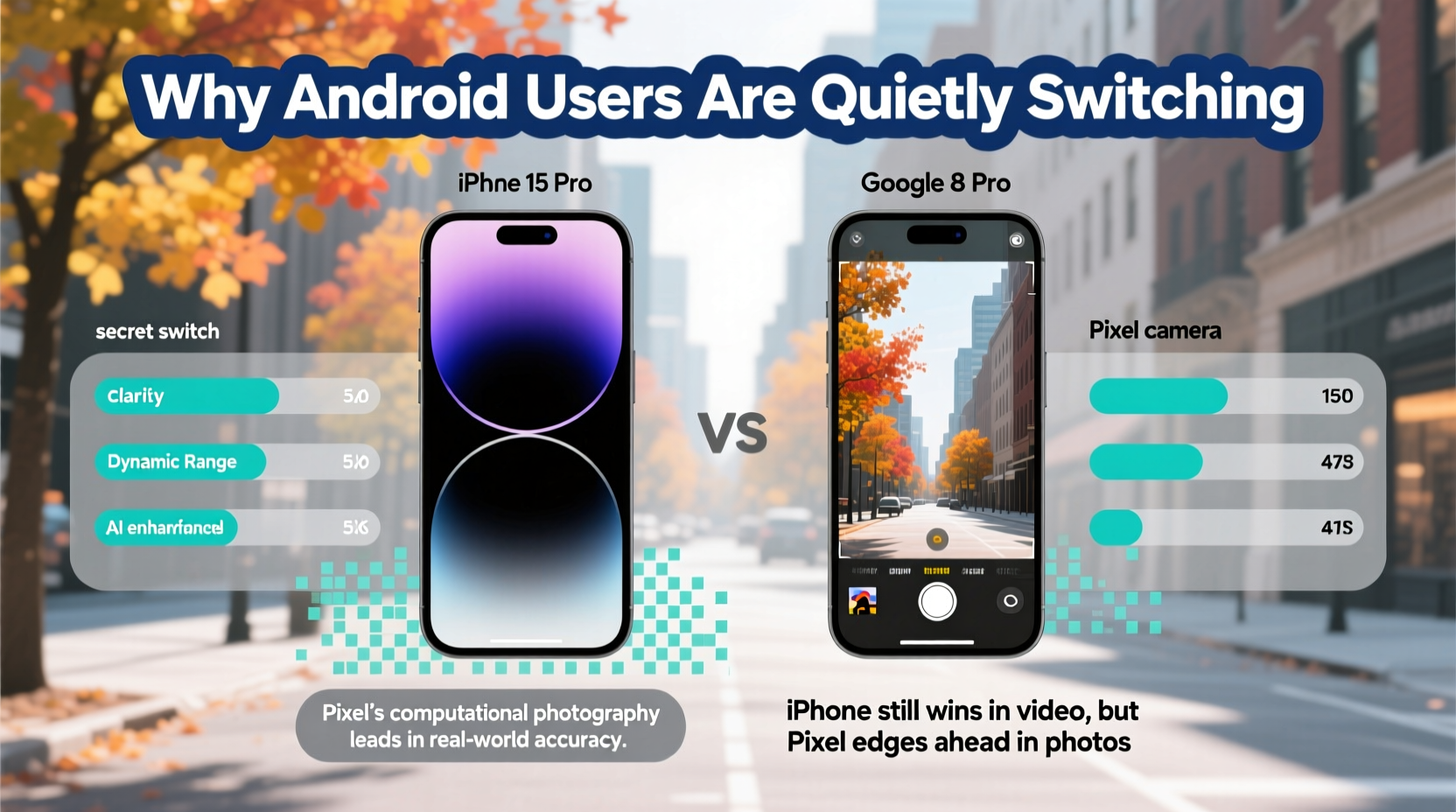
Both Apple and Google have invested heavily in mobile imaging, but their philosophies differ significantly. The Pixel relies on aggressive software processing—HDR+, Night Sight, Super Res Zoom—to extract maximum detail from small sensors. The result is often stunning in ideal conditions: vibrant skies, sharp textures, and remarkable low-light shots that look almost too good to be real.
Apple takes a more balanced approach. iPhones prioritize color accuracy, dynamic range, and natural skin tones. Instead of oversaturating or over-sharpening, iOS aims for realism. Recent models like the iPhone 15 Pro Max feature advanced hardware, including sensor-shift stabilization, larger sensors, and periscope zoom lenses—bridging the gap in optical capability while maintaining software restraint.
This contrast leads to divergent user experiences. A Pixel might win in a side-by-side low-light test with dramatic lighting, but an iPhone often delivers more reliable results across varied conditions without requiring post-processing or manual tuning.
“Consistency matters more than peak performance. Most people don’t take one perfect photo a week—they take dozens every day.” — David Park, Mobile Imaging Analyst at TechLens Reports
Why Android Users Are Making the Switch
The reasons behind this migration go beyond megapixels and lab scores. Real-world usability, ecosystem cohesion, and long-term reliability play major roles.
- Reliability over hype: Pixel photos can vary significantly between lighting conditions. Overprocessed shadows, blown-out highlights, or inconsistent white balance frustrate users seeking dependable output.
- Better video capabilities: iPhones dominate in video recording, offering Dolby Vision HDR, cinematic mode, and superior stabilization. For creators and casual vloggers alike, this is a decisive advantage.
- Ecosystem integration: AirDrop, iCloud Photos, Messages, and seamless handoff between devices make sharing and organizing photos effortless—an experience Android still struggles to match.
- Longer software support: iPhones receive 5–6 years of OS updates versus 3–5 for most Pixels, ensuring future-proofing for photo libraries and app compatibility.
- Build quality and resale value: Premium materials, water resistance, and strong resale markets give iPhones staying power that appeals to practical buyers.
Side-by-Side Comparison: iPhone vs Pixel Camera Performance
| Feature | iPhone (15 Pro Max) | Google Pixel (8 Pro) |
|---|---|---|
| Main Sensor Size | 1/1.28” (larger) | 1/1.31” |
| Optical Zoom | 5x periscope telephoto | 5x Super Res Zoom (digital) |
| Video Recording | Dolby Vision HDR up to 4K/60fps | 4K/60fps, no native HDR format |
| Low-Light Photo (Night Mode) | Natural tone, minimal noise | Brighter but sometimes oversmoothed |
| Color Accuracy | High – true-to-life rendering | Moderate – tends toward warmth/saturation |
| Ecosystem Sharing | AirDrop, iCloud, iMessage optimized | Google Messages, Nearby Share (less universal) |
Real User Experience: From Pixel Enthusiast to iPhone Convert
Jamie Rivera, a freelance photographer based in Portland, used Pixels exclusively from 2018 to 2023. Known for her street photography and travel content, she relied on the Pixel’s Night Sight and Magic Eraser for quick edits. But after attending a wedding where her Pixel struggled with mixed indoor lighting and fast-moving subjects, she borrowed a friend’s iPhone 15 Pro.
“I was shocked,” she said. “The iPhone handled backlighting so much better. No halos around people, no weird color shifts when someone walked under a warm light. And the video—I shot a short clip of dancing, and it was stable, crisp, and looked professional without editing.”
She switched two weeks later. “I still think the Pixel wins in controlled low-light portraits. But 90% of my photos aren’t studio shots. They’re spontaneous moments. I need something that just works—every time.”
Actionable Checklist: Should You Consider the Switch?
Before making the leap, evaluate your needs with this checklist:
- ✅ Do you frequently record videos or plan to create content?
- ✅ Do most of your friends and family use iPhones?
- ✅ Are you frustrated with inconsistent photo quality across different lighting?
- ✅ Do you value long-term device support (5+ years)?
- ✅ Is seamless cloud backup and cross-device sync important to you?
- ✅ Do you edit photos on iPad, Mac, or desktop regularly?
If four or more apply, transitioning to iPhone may offer tangible benefits—even if you’ve been devoted to Android.
Frequently Asked Questions
Do iPhones take better photos than Pixels overall?
It depends on context. Pixels often produce more vivid, enhanced-looking images in ideal conditions. However, iPhones deliver more consistent results across diverse environments, especially in dynamic lighting and motion scenarios. For everyday use, most users report higher satisfaction with iPhone photo reliability.
Is the Pixel camera still worth it in 2024?
Absolutely—for certain users. If you love manual control, enjoy editing, or prioritize cutting-edge AI features like Best Take and Audio Eraser, the Pixel remains a strong contender. It's also typically priced lower than flagship iPhones. But if you want plug-and-play excellence with minimal tweaking, the iPhone holds an edge.
Can I transfer my photos easily from Pixel to iPhone?
Yes. Apple provides the “Move to iOS” app for Android, which securely transfers photos, contacts, messages, and accounts during setup. Alternatively, using Google Photos with high-quality sync allows easy access on any device. Once migrated, iCloud Photos ensures everything stays backed up and organized.
Final Thoughts: Quality, Consistency, and Ecosystem Win
The quiet exodus from Pixel to iPhone reflects a broader evolution in consumer expectations. Early adopters chased innovation and novelty; today’s users demand dependability, longevity, and frictionless integration. While Google continues to push boundaries in AI photography, Apple excels in delivering a holistic, polished experience where the camera is just one part of a larger, tightly woven ecosystem.
For many, the decision isn’t about which phone takes the “best” photo in a lab—but which one makes life easier, looks better shared, and performs consistently year after year. And increasingly, that answer is the iPhone.




 浙公网安备
33010002000092号
浙公网安备
33010002000092号 浙B2-20120091-4
Comments
No comments yet. Why don't you start the discussion?