
Walk into any phone accessory store—or scroll through an online marketplace—and you’ll see a sea of cases labeled for iPhones and Androids. At first glance, they look similar: slim profiles, rugged options, wallet styles, and flashy colors. But beneath the surface, subtle yet significant differences emerge. While brand loyalty plays a role in consumer choices, the reality is that iPhone and Android cases aren’t interchangeable, nor are they designed with identical priorities. The divergence stems from hardware diversity, ecosystem constraints, and user expectations shaped by years of platform-specific innovation.
Design & Fit: One Size Does Not Fit All
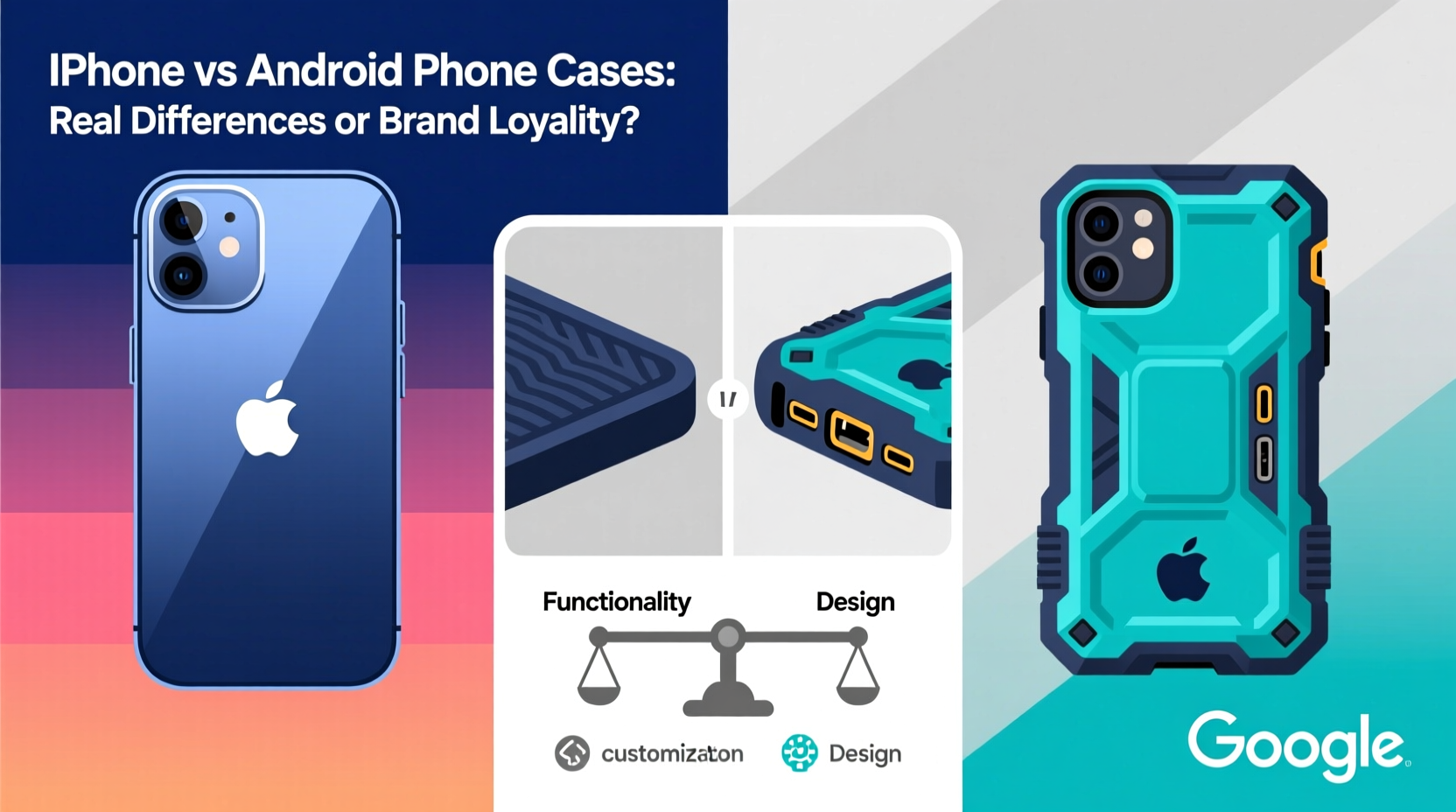
The most immediate difference between iPhone and Android cases lies in precision fit. Apple releases a limited number of iPhone models each year, all with tightly controlled dimensions. This allows case manufacturers to produce highly accurate molds well in advance of new launches. Third-party brands often receive dimensional specs early through Apple’s MFi (Made for iPhone) licensing program, ensuring perfect alignment with buttons, ports, and camera cutouts.
Android, on the other hand, is a fragmented ecosystem. Samsung, Google, OnePlus, Xiaomi, and dozens of other manufacturers release phones with varying sizes, button placements, and camera bump configurations—even within the same brand. A case made for the Samsung Galaxy S24 won’t fit the S23 Ultra, despite both being flagship devices. This fragmentation forces Android case makers to either specialize in specific models or offer “universal-fit” designs that compromise on snugness and protection.
“Case precision directly impacts drop protection. Even a 1mm gap around the screen can allow direct impact during a fall.” — Raj Patel, Product Engineer at ShieldTech Accessories
Material Choices and Build Philosophy
iPhone cases tend to emphasize minimalism and aesthetics. Apple itself promotes sleek silicone, fine leather, and ultra-thin clear cases that showcase the device’s design. Most third-party options follow suit, prioritizing form over extreme durability. That said, rugged options exist—but they’re often seen as niche.
Android users, particularly those opting for Samsung’s Galaxy Z series or budget-friendly Motorola phones, frequently prioritize durability. As a result, many Android cases feature thicker TPU (thermoplastic polyurethane), reinforced corners, and built-in screen protectors. Some even include kickstands or belt clips tailored to productivity-focused use cases.
This contrast reflects broader user behavior: iPhone owners often replace devices every two to three years and may rely on AppleCare+ for damage coverage, while Android users—especially in price-sensitive markets—tend to keep phones longer and invest more in protective accessories.
Functional Features: MagSafe vs. Universal Mounting
One of the most consequential innovations in recent years is Apple’s MagSafe technology. Introduced in 2020, MagSafe uses embedded magnets to enable seamless attachment of chargers, wallets, and car mounts. Case manufacturers now build MagSafe-compatible rings directly into iPhone cases, allowing full functionality without bulk.
Most Android phones lack standardized magnetic ecosystems. While some Samsung models support magnetic accessories via Qi2 wireless charging (introduced in 2023), adoption is still inconsistent across brands. As a result, Android case features like car mount compatibility usually rely on bulky add-ons or adhesive metal plates, which detract from aesthetics and long-term reliability.
| Feature | iPhone Cases | Android Cases |
|---|---|---|
| Magnetic Ecosystem | Standardized (MagSafe) | Limited (Qi2 on select models) |
| Precision Fit | High (uniform hardware) | Variable (device fragmentation) |
| Durability Focus | Low to moderate | Moderate to high |
| Wallet Integration | Common (MagSafe) | Rare, often clunky |
| Price Range (USD) | $15–$120 | $10–$80 |
Real-World Example: Two Users, Two Needs
Consider Sarah, an iPhone 15 Pro user who values aesthetics and convenience. She buys a MagSafe-enabled transparent case that doubles as a wallet. She swaps it weekly for different colors, appreciating how effortlessly it aligns with her wireless charger and car mount. For her, the case is part of a seamless ecosystem.
Now meet James, a field technician using a Samsung Galaxy XCover6 Pro. His job requires him to carry his phone in harsh environments—dust, rain, drops from waist height. He uses a military-grade OtterBox case with a built-in screen shield and lanyard loop. Functionality trumps style. His case isn’t compatible with magnetic mounts, so he uses a suction cup dash holder with a universal clip.
Their choices aren’t driven by brand loyalty alone. They reflect real differences in device design, supported technologies, and personal needs—shaped by the platforms they use.
Do’s and Don’ts When Choosing a Phone Case
- Do confirm compatibility with your exact phone model.
- Do check if the case supports wireless charging efficiently.
- Do consider whether you need drop protection (e.g., MIL-STD-810G rating).
- Don’t assume all “universal” cases provide adequate screen coverage.
- Don’t ignore port accessibility—test speaker, microphone, and charging alignment.
- Don’t overlook added thickness; some cases make one-handed use difficult.
Can You Use an iPhone Case on an Android (or Vice Versa)?
In short: almost never. Even when dimensions appear similar, small discrepancies in camera placement, button location, or charging port angle prevent proper fit. Attempting to force a mismatched case can lead to misaligned buttons, obstructed speakers, or inadequate shock absorption during drops.
There are rare exceptions. Some universal folio-style cases with adjustable inner sleeves claim cross-platform compatibility, but these typically sacrifice structural integrity and tactile feedback. For reliable protection and functionality, model-specific cases remain essential.
FAQ
Are iPhone cases more expensive than Android cases?
Generally, yes. Premium iPhone cases—especially those with MagSafe integration—command higher prices due to tighter manufacturing tolerances and ecosystem demand. However, budget iPhone cases are also widely available. On average, iPhone cases range from $15 to $120, while Android cases typically fall between $10 and $80.
Does MagSafe work with all iPhone cases?
No. Only cases explicitly designed with MagSafe compatibility ensure optimal alignment and charging efficiency. Thick or non-magnetic cases can weaken the connection, leading to slower charging or accessory detachment.
Why don’t more Android phones have MagSafe-like features?
While Qi2 aims to standardize magnetic accessories across Android, widespread adoption depends on OEM cooperation. Unlike Apple’s closed ecosystem, Android’s open nature means manufacturers prioritize different features—battery life, display quality, camera systems—over accessory integration. Until Qi2 becomes ubiquitous, magnetic functionality will remain inconsistent.
Conclusion: Beyond Brand Loyalty Lies Real Design Divergence
The debate over iPhone versus Android cases isn’t merely about allegiance to Apple or Google. It’s about fundamentally different approaches to hardware design, user experience, and accessory ecosystems. iPhone cases benefit from uniformity and innovation like MagSafe, enabling sleek, functional designs. Android cases respond to diversity and durability demands, offering rugged solutions tailored to a fragmented market.
Understanding these distinctions helps consumers make smarter choices—not based on brand bias, but on practical needs. Whether you prioritize elegance, protection, or ecosystem integration, the right case should enhance your phone’s utility, not just decorate it.




 浙公网安备
33010002000092号
浙公网安备
33010002000092号 浙B2-20120091-4
Comments
No comments yet. Why don't you start the discussion?