
The debate between iPhone and Android has evolved far beyond hardware specs or software features. Today, it’s not just about which phone you use — it’s about which side you’re on. One of the most visible symbols of this divide? The phone case. While a case might seem like a simple accessory, it’s become a cultural marker, a loyalty badge, and sometimes even a battleground for brand identity. But how much does the case really matter? And is the emotional investment in one ecosystem over another justified — especially if it means resisting a switch?
This polarization didn’t happen overnight. Over the past decade, Apple and Google have cultivated fiercely loyal user bases through tightly controlled ecosystems, distinctive design languages, and marketing that emphasizes lifestyle as much as technology. As a result, choosing an iPhone case isn’t just about protection — it’s a statement. The same goes for Android, where customization and variety reign supreme.
The Psychology Behind Phone Loyalty
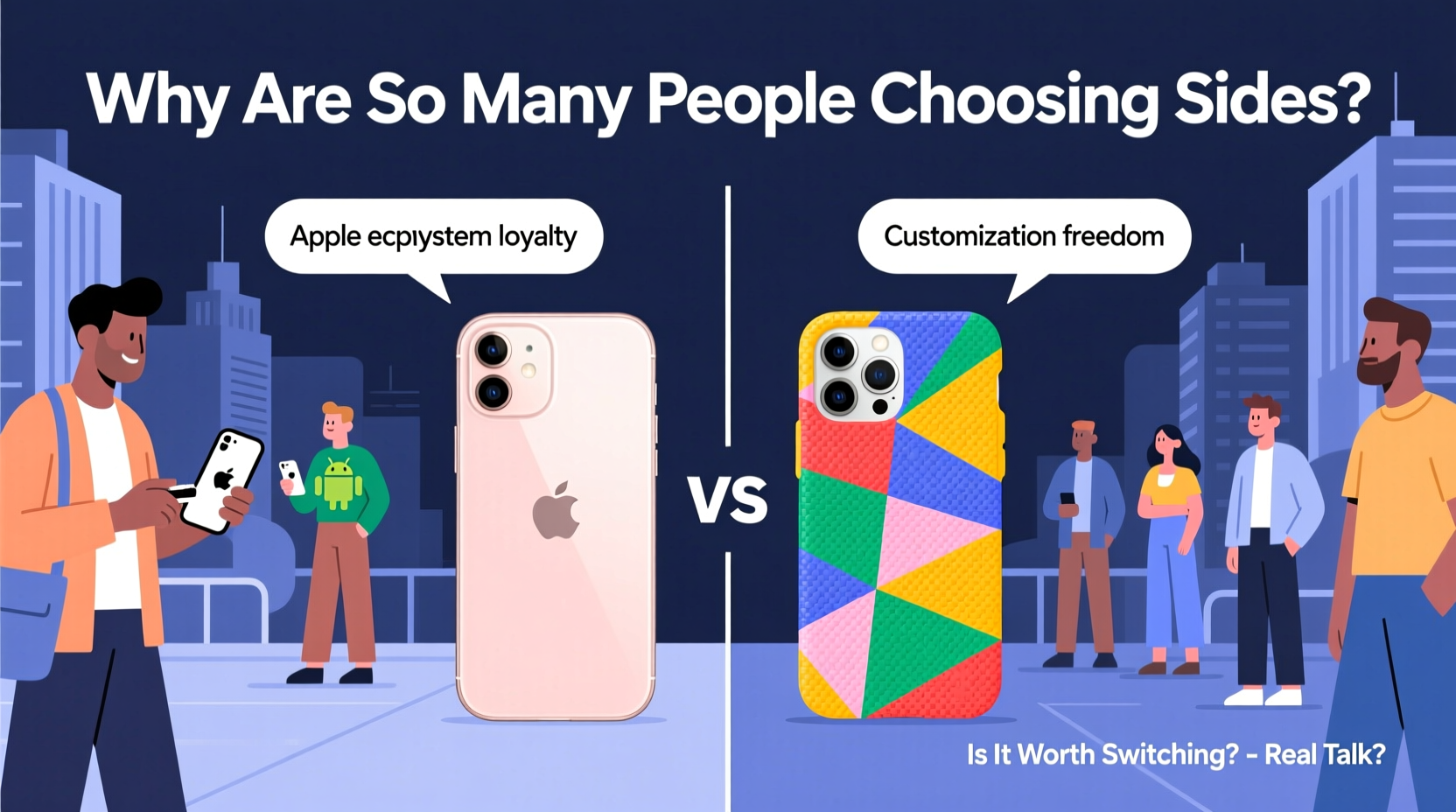
People don’t just choose phones; they identify with them. Studies in consumer behavior show that tech brands often become part of personal identity. Apple positions itself as minimalist, premium, and intuitive — values that resonate with users who prioritize design and seamless integration. Android, particularly through Samsung, Google Pixel, and other OEMs, appeals to those who value flexibility, innovation, and control.
This emotional attachment extends to accessories. An iPhone case from Apple or a designer brand reinforces a sense of belonging to a curated, high-end community. Meanwhile, Android users often celebrate individuality — selecting cases with bold colors, unique materials, or niche pop culture themes that reflect their personality.
“Brand loyalty in mobile devices is less about specs and more about self-image. The case becomes a canvas for that identity.” — Dr. Lena Patel, Consumer Behavior Researcher at Stanford University
Functional Differences: Do iPhone and Android Cases Actually Differ?
Beyond branding, there are tangible differences in how cases are designed and used across platforms.
| Feature | iPhone Cases | Android Cases |
|---|---|---|
| Design Consistency | High — Apple releases fewer models per year with consistent dimensions | Variable — Many manufacturers and models mean less standardization |
| MagSafe Compatibility | Yes — Magnetic alignment for chargers, wallets, car mounts | Limited — Only select Android models (e.g., Pixel) offer similar tech |
| Customization Options | Moderate — Focused on premium materials and minimalism | Extensive — Wide range of styles, sizes, and third-party innovations |
| Pricing Range | $20–$129+ (Apple’s leather cases reach $149) | $5–$80, with niche options going higher |
| Availability | Widely available but slower third-party adaptation | Faster market response due to open model diversity |
While iPhone cases benefit from tighter manufacturing standards and MagSafe integration, Android offers broader choice. For example, rugged cases for outdoor use or ultra-slim transparent designs are often developed faster in the Android ecosystem due to competitive pressure among case makers.
Is Switching Worth It? A Real-World Example
Take Sarah, a long-time iPhone user since 2013. She loved the simplicity of iOS, the camera quality, and her favorite MagSafe wallet. But after five years of using the same case style — a black silicone with a subtle texture — she began feeling constrained. Her apps felt stale, and she noticed friends using Android-exclusive features like dual SIM flexibility, expandable storage, and better multitasking on foldables.
After researching, she switched to a Samsung Galaxy Z Fold 5. The change wasn’t easy. She missed iMessage at first, struggled with app migration, and had to find new case solutions. But within three months, she adapted. She found a carbon fiber folio case that doubled as a stand, appreciated the larger screen for editing photos, and saved money by avoiding Apple’s premium pricing on accessories.
Sarah’s story reflects a growing trend: users are reevaluating loyalty based on functionality rather than habit. The case, once a symbol of allegiance, became a tool for reinvention.
When to Consider Making the Switch
Sticking with your current device isn't wrong — but blind loyalty can cost you in performance, price, and experience. Here’s a step-by-step guide to help you assess whether switching makes sense:
- Evaluate Your Needs: Are you prioritizing camera quality, battery life, security, or multitasking? List your top three priorities.
- Test Both Ecosystems: Borrow a friend’s phone or visit a store. Use it for a day. Try transferring photos, sending messages, and installing your essential apps.
- Check App Compatibility: Some services (like banking or workplace tools) may perform differently on Android or iOS.
- Assess Data Migration: Use tools like Google’s “Switch to Android” app or Apple’s Move to iOS to test transfer ease.
- Review Total Cost: Include not just the phone, but cases, chargers, cloud storage, and subscription services tied to the ecosystem.
- Give It 30 Days: If you switch, commit fully for a month before deciding. Initial friction is normal.
Common Misconceptions About Switching
- “iMessage is irreplaceable.” While group chat dynamics suffer when switching, alternatives like WhatsApp or Telegram offer cross-platform messaging with rich features.
- “Android is less secure.” Modern Android devices with Google Play Protect and regular updates are highly secure. The risk often lies in sideloading apps from unknown sources.
- “iPhone cases protect better.” Protection depends on case design, not brand. Many Android cases exceed military drop-test standards.
Checklist: Is It Time to Reconsider Your Phone Ecosystem?
- ✅ I feel limited by my current phone’s features
- ✅ I’m paying too much for accessories or storage upgrades
- ✅ I want better customization or hardware innovation
- ✅ My needs have changed (e.g., remote work, travel, content creation)
- ✅ I’m curious about foldables, stylus support, or multi-device sync
- ✅ I’m frustrated with slow software updates or lack of repair options
If three or more apply, it may be time to explore alternatives — regardless of what your current case looks like.
Frequently Asked Questions
Can I keep using my iPhone case on an Android phone?
No — cases are not interchangeable due to different dimensions, button placements, and camera layouts. Even phones with similar sizes aren’t compatible across ecosystems.
Do Android phones have anything like MagSafe?
Some do. Google Pixel models support magnetic accessories with their own \"Pixel Ready\" program. Samsung offers limited magnetic support on select Galaxy devices, though not as universally integrated as MagSafe.
Will switching erase all my data?
Not if done correctly. Tools like Google’s “Move to iOS” (for iPhone) and “Switch to Android” (for Android) help transfer contacts, photos, messages, and accounts. Always back up first.
Conclusion: Beyond the Case — Choosing What Works for You
The war between iPhone and Android cases is symbolic of a deeper cultural rift — one fueled by marketing, habit, and social influence. But the truth is, no case makes a phone better. What matters is how well the device serves your life.
Whether you prefer the sleek uniformity of an iPhone with its minimalist case lineup or the endless variety of Android’s expressive designs, the choice should be practical, not tribal. Technology evolves quickly. Loyalty should be earned, not assumed.
If you’ve never tried the other side, you might be missing out on features that could save you time, money, or frustration. The next time you see someone proudly displaying their phone with a bold case or a sleek MagSafe wallet, remember: it’s not about the case. It’s about what the phone enables them to do.




 浙公网安备
33010002000092号
浙公网安备
33010002000092号 浙B2-20120091-4
Comments
No comments yet. Why don't you start the discussion?