
In an era where smartphones are both personal assistants and digital diaries, protecting them has become more than just about preventing cracks. The rise of privacy concerns, coupled with increasing reliance on mobile photography, has led to the growing popularity of iPhone cases with built-in camera covers. These designs promise dual benefits: physical protection for your lens and a barrier against digital surveillance. But they come with a trade-off—added thickness and weight. So, is the extra bulk truly justified by the level of protection and peace of mind it offers?
This article examines the real-world value of camera-cover cases, weighing their advantages in durability and privacy against usability drawbacks like bulkiness, slower photo access, and aesthetic impact.
The Rise of Privacy-Focused Phone Accessories
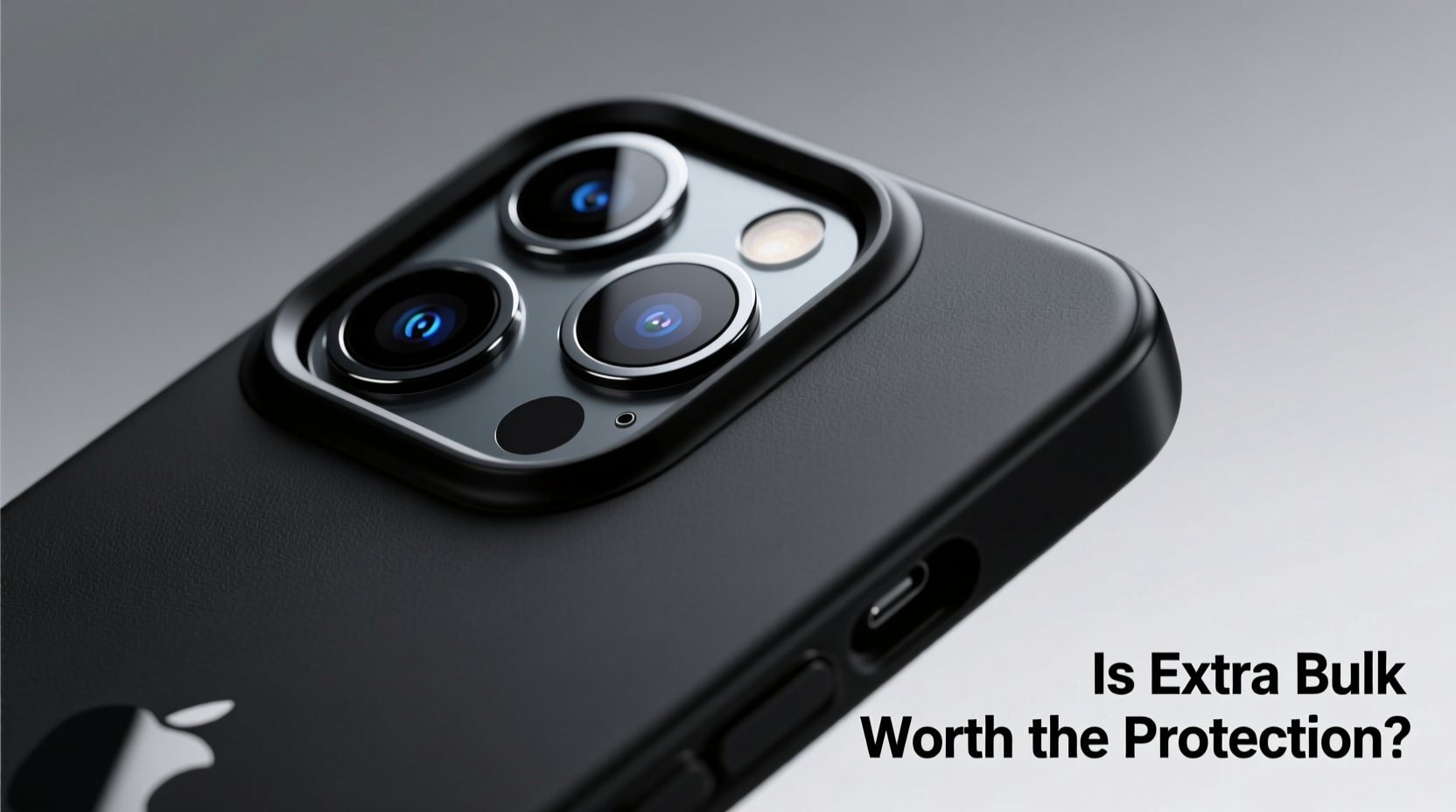
Smartphone cameras have long been targets for hackers and malicious apps seeking unauthorized access. While iOS maintains strong security protocols, vulnerabilities still exist—especially through third-party applications that request camera permissions. A 2023 report from the Pew Research Center found that 64% of Americans are concerned about their phone’s camera being accessed without consent.
This anxiety has fueled demand for physical solutions. Unlike software-based permission controls, a sliding camera cover provides a tangible, unmistakable barrier. Once closed, no app or remote actor can activate the lens. For professionals handling sensitive information, journalists, or anyone wary of digital intrusion, this feature isn’t just convenient—it’s essential.
“Physical camera covers offer psychological comfort and real security. No firewall is stronger than a solid piece of metal blocking the lens.” — Dr. Lena Torres, Cybersecurity Analyst at MobileShield Labs
Protection Beyond Privacy: Lens Safety and Durability
Modern iPhone cameras are precision instruments. Even minor scratches on the sapphire crystal lens coating can degrade image quality, introduce lens flare, or reduce autofocus accuracy. Standard cases often leave the camera module exposed, especially with protruding lens arrays on Pro models.
Cases with integrated camera covers typically include raised bezels or reinforced frames around the lens housing, offering superior drop protection. Some premium versions use spring-loaded shutters made from aluminum or polycarbonate, which absorb impact while shielding the glass when not in use.
Bulk vs. Benefit: A Practical Comparison
The primary criticism of camera-cover cases is increased size and weight. Most add 2–4mm in thickness and can make pocket carry less comfortable. However, the degree of added bulk varies significantly across brands and materials.
| Case Type | Average Thickness Added | Lens Protection | Privacy Feature | Pocketability |
|---|---|---|---|---|
| Slim Silicone Case | 0.8 mm | Moderate (exposed lens) | No | Excellent |
| Rugged Drop-Proof Case | 2.5 mm | High (raised bezel) | No | Good |
| Camera-Cover Case (Aluminum Shutter) | 3.7 mm | Very High (cover + bezel) | Yes | Fair |
| Wallet Case with Magnetic Cover | 6.0 mm | Medium (partial exposure) | Limited (only when folded) | Poor |
As shown, camera-cover cases sit at the higher end of the bulk spectrum but deliver unique dual functionality. If your priority is minimizing device footprint, these may feel excessive. But if you frequently place your phone face-down on desks or transport it in bags with keys and tools, the added protection could prevent costly repairs.
Real-World Use: A Day in the Life of a Camera-Cover User
Consider Sarah, a freelance photographer based in Chicago. She uses an iPhone 15 Pro Max as her backup device during shoots and relies on its camera daily. After dropping her phone twice in one month—both times damaging the telephoto lens—she switched to a MagSafe-compatible case with a manual slide cover.
At first, she found the shutter awkward. Opening it before every shot felt like a delay. But within a week, it became second nature. More importantly, she noticed fewer smudges on the lens, and during a recent coffee shop meeting, she caught a stranger attempting to discreetly photograph her notes. Because her front camera was covered, she knew she wasn’t being recorded via her own device.
“It’s not just about drops,” she says. “It’s about control. I decide when the camera is active—not an app, not someone nearby.”
What to Look for When Choosing a Camera-Cover Case
Not all camera-cover cases are created equal. Poorly designed shutters can jam, wear out quickly, or obstruct the flash and microphone. To ensure reliability and usability, consider the following checklist before purchasing:
- Smooth Mechanism: The slider should open and close effortlessly without wobbling.
- Full Lens Coverage: Must fully shield wide, ultra-wide, and telephoto lenses (if applicable).
- Material Quality: Metal shutters last longer than plastic ones.
- MagSafe Compatibility: Ensure the case doesn’t interfere with wireless charging or accessories.
- Access to Controls: Volume buttons and power key should remain responsive.
- Low Profile Design: Some brands minimize bulk using layered polymers or carbon fiber.
Step-by-Step: How to Maximize Your Camera-Cover Case
- Install Correctly: Align the case precisely with your iPhone’s ports and buttons to avoid misalignment.
- Test All Functions: Check speaker clarity, charging speed, and camera performance with the cover open and closed.
- Establish a Habit: Make it routine to close the cover when storing the phone—like locking your front door.
- Clean Regularly: Wipe the shutter track weekly to prevent dust buildup that can hinder movement.
- Monitor Wear: Replace the case if the shutter becomes loose or fails to stay in position.
Over time, using the cover becomes intuitive. Many users report that after a few days, opening the shutter becomes as automatic as unlocking the phone.
Frequently Asked Questions
Does a camera cover affect photo quality?
No, as long as the cover is fully retracted before taking photos. When closed, it blocks light completely, so accidental shots aren’t possible. High-quality cases are designed to move the shutter entirely out of the optical path.
Can I still use Face ID with a front camera cover?
Yes. Most cases only cover the rear cameras. If a front cover is included (rare), it must be manually opened for Face ID to work. However, such designs are uncommon due to usability issues.
Are camera-cover cases more expensive?
Generally, yes. Due to mechanical components and specialized design, they cost 20–50% more than standard rugged cases. Expect to pay $40–$80 for a reliable model from brands like Supcase, Olixar, or OOTDTY.
Conclusion: Balancing Security, Functionality, and Form
An iPhone case with a camera cover isn’t for everyone. It adds noticeable thickness and changes how you interact with your device. But for those who prioritize lens longevity and digital privacy, the trade-off is not only acceptable—it’s worthwhile.
The extra bulk translates into tangible benefits: reduced risk of lens damage, fewer cleaning cycles, and the assurance that your camera cannot be hijacked. In high-risk environments—public transit, co-working spaces, international travel—this layer of defense matters.
If you're tired of micro-scratches marring your camera bump or uneasy about unseen apps accessing your lens, a well-built camera-cover case might be the upgrade you didn’t know you needed. Evaluate your daily usage, assess your priorities, and choose a model that balances protection with practicality.




 浙公网安备
33010002000092号
浙公网安备
33010002000092号 浙B2-20120091-4
Comments
No comments yet. Why don't you start the discussion?