
For years, Apple has offered two distinct iPhone sizes: the standard model and the larger Plus variant. With each release, consumers face the same dilemma—should they opt for the compact convenience of the regular iPhone or go big with the Plus? While screen size seems like a straightforward preference, the decision impacts everything from battery life to pocket space. The truth is, the \"bigger is better\" assumption doesn’t always hold up in daily use. This guide breaks down the real differences between the iPhone Plus and the regular iPhone, focusing on practicality, performance, and personal fit.
Screen Size and Usability: More Than Just Inches
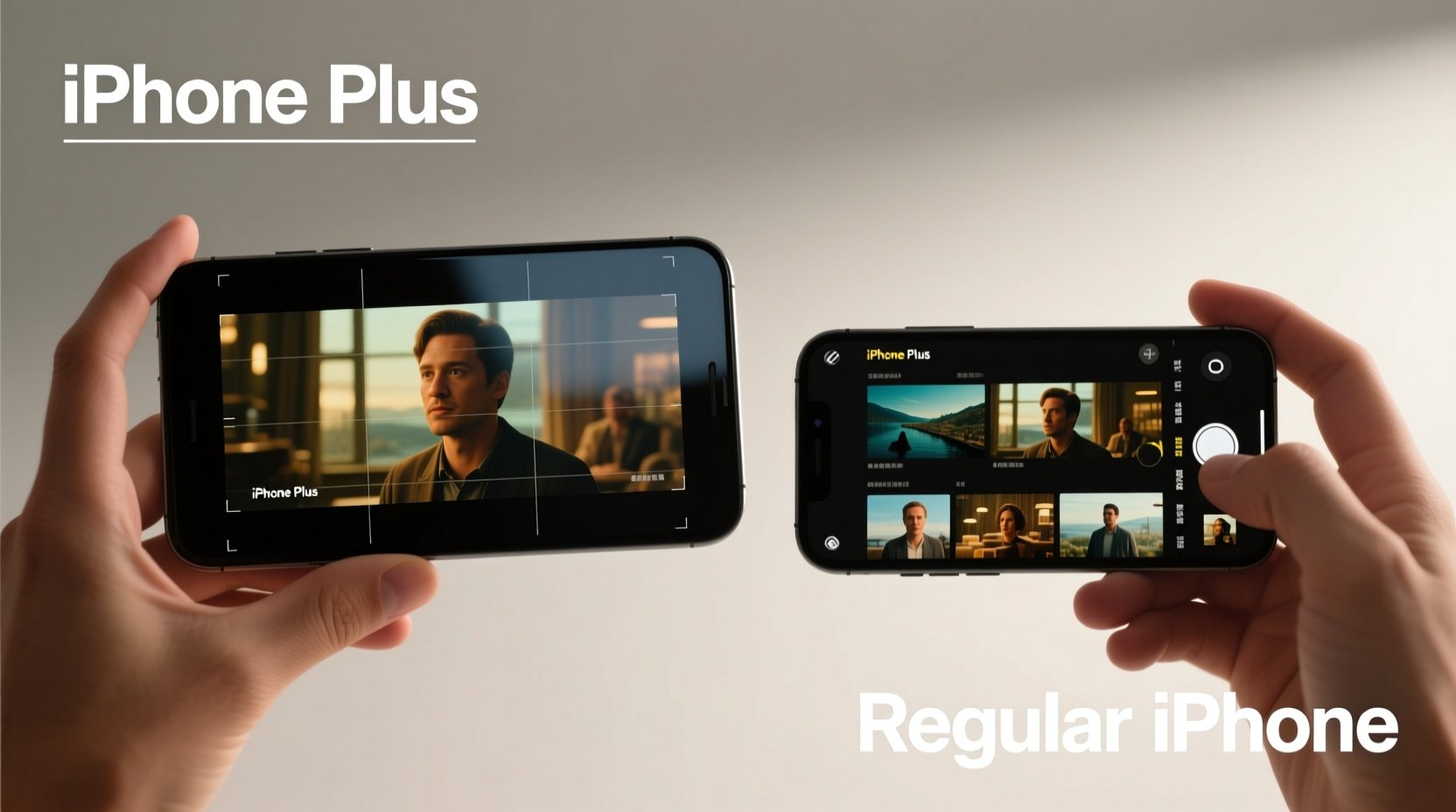
The most obvious difference between the iPhone Plus and its standard counterpart is the display. The Plus models typically feature screens ranging from 6.5 to 6.7 inches, compared to the standard iPhone’s 6.1-inch display. That extra inch may not sound significant, but it translates into more screen real estate for videos, multitasking, and reading.
However, increased screen size comes with trade-offs. One-handed use becomes difficult, especially for users with smaller hands. Tasks like reaching the top of the screen for notifications or closing apps often require repositioning the phone or using both hands. For people who prioritize comfort during long texting sessions or frequent calls, the regular iPhone offers a more ergonomic experience.
Battery Life: Where the Plus Shines
If there’s one area where the iPhone Plus consistently outperforms the standard model, it’s battery life. The larger chassis allows for a significantly bigger battery. In real-world testing, iPhone Plus models often last 25–40% longer on a single charge under similar usage conditions.
This extended endurance matters for heavy users—those who stream video, play games, or rely on GPS navigation throughout the day. Travelers, remote workers, or anyone without consistent access to charging points will appreciate the added staying power. Meanwhile, regular iPhone users may find themselves reaching for a charger by mid-afternoon, especially when using energy-intensive apps.
That said, advancements in efficiency across newer chipsets (like the A16 and A17 Bionic) have narrowed the gap. Modern standard iPhones now offer respectable battery performance, making the Plus less of a necessity unless you're routinely pushing your device to its limits.
Portability and Design: Fit Matters
A larger screen means a larger phone—and that affects how easily it fits into pockets, purses, or holsters. The iPhone Plus is noticeably wider and heavier. Depending on the model, it can weigh 50–70 grams more than the standard version. Over time, that extra weight adds up, especially if you carry your phone in your hand or use it for extended periods.
Clothing also plays a role. Slim-fit jeans or tight jacket pockets may struggle to accommodate the Plus, leading to discomfort or even damage from forced insertion. Users who value discretion and ease of transport often find the regular iPhone more practical for everyday carry.
“Battery life and screen size are important, but if the phone doesn’t fit comfortably in your lifestyle, those benefits lose their value.” — David Lin, Mobile Device Ergonomics Researcher at TechFit Labs
Camera Performance: Do Bigger Phones Take Better Photos?
Historically, iPhone Plus models have been positioned as the premium choice for photography enthusiasts. They were the first to introduce features like optical zoom and portrait mode with telephoto lenses. Even today, some Plus variants retain hardware advantages over standard models, such as dual or triple-lens setups with superior low-light sensors.
However, Apple has largely equalized camera capabilities across its lineup. The latest standard iPhones now include Night mode, Deep Fusion, and advanced computational photography that rival—or sometimes surpass—the output of older Plus models. Unless you’re a frequent user of optical zoom or shoot extensively in low light, the photo quality difference may be negligible.
That said, the larger screen does enhance the photography experience. Previewing shots, adjusting focus, and reviewing images is simply easier on a bigger display. Video editors and content creators may benefit from the expanded canvas when trimming clips or applying filters directly on the device.
Performance and Longevity Comparison
In terms of raw processing power, there’s no difference between the standard iPhone and the Plus when they share the same chipset. Both run iOS smoothly, handle multitasking efficiently, and receive software updates for the same duration—typically five to six years.
But longevity isn’t just about software support. Physical durability plays a role too. The Plus’s larger frame distributes impact better during drops, though its glass back remains vulnerable. Some users report fewer bent-frame issues with the sturdier build of the Plus, but this varies by model year and usage patterns.
| Feature | iPhone Plus | Regular iPhone |
|---|---|---|
| Screen Size | 6.5–6.7 inches | 6.1 inches |
| Battery Life (Video Playback) | Up to 26 hours | Up to 20 hours |
| Weight (avg.) | 200–240g | 170–180g |
| One-Handed Use | Difficult | Comfortable |
| Pocket Fit | Limited in tight clothing | Generally good |
| Rear Camera Setup | Dual/Triple lens (model-dependent) | Dual lens standard on recent models |
Real-World Example: Sarah’s Upgrade Dilemma
Sarah, a freelance graphic designer, upgraded from an iPhone 13 to an iPhone 14 Plus, hoping the larger screen would improve her ability to edit client visuals on the go. Initially thrilled with the clarity and color accuracy, she soon noticed drawbacks. Her favorite coat had shallow pockets, forcing her to carry a small bag just to avoid bulging. During client meetings, pulling the phone out felt awkward compared to her previous compact device.
After three months, she switched back to the standard iPhone 15. While she missed the immersive viewing experience, she regained comfort and spontaneity in her workflow. She now uses a tablet for detailed edits and reserves her phone for quick adjustments—a compromise that better suited her mobile lifestyle.
When the Plus Makes Sense: A Checklist
Choosing the right iPhone depends on your habits, not just specs. Ask yourself the following before deciding:
- Do I watch a lot of videos or stream content on my phone?
- Do I frequently travel or work remotely without easy access to charging?
- Am I using productivity apps that benefit from more screen space (e.g., email, spreadsheets)?
- Do I have large hands or don’t mind using two hands regularly?
- Is camera zoom functionality important to me?
- Will I be carrying the phone in tight pockets or small bags?
If you answered “yes” to the first four questions, the iPhone Plus could be worth the trade-offs. If portability and convenience rank higher, the regular iPhone likely serves you better.
Frequently Asked Questions
Does the iPhone Plus cost more to repair?
Yes, generally. Larger screens mean higher replacement costs. A cracked Plus display can be 20–30% more expensive to fix than a standard iPhone. Additionally, battery replacements may cost slightly more due to labor complexity.
Can I use the same case for both models?
No. The dimensions differ significantly. Cases are not interchangeable between standard and Plus models, even within the same generation. Always verify compatibility before purchasing accessories.
Is the Plus harder to protect with a screen protector?
Slightly. Due to curved edges and larger surface area, installing screen protectors on Plus models requires more precision. Some third-party options may leave slight gaps at the corners, though high-quality tempered glass kits are widely available.
Final Verdict: Is the Bigger Screen Worth It?
The iPhone Plus delivers tangible benefits—longer battery life, richer media consumption, and enhanced multitasking—but these come at the cost of portability and ease of use. The regular iPhone strikes a balance that suits most users, offering strong performance in a manageable form factor.
Ultimately, the decision isn’t about which phone is objectively better, but which aligns with your daily routine. Technology should adapt to you, not the other way around. Evaluate your priorities: if screen immersion and endurance top your list, go Plus. If comfort, control, and convenience matter more, stick with the standard model.




 浙公网安备
33010002000092号
浙公网安备
33010002000092号 浙B2-20120091-4
Comments
No comments yet. Why don't you start the discussion?