
For over a decade, iPhone owners have debated the best way to protect their devices without sacrificing design. Among the most enduring options are full protective cases and minimalist bumpers. While full cases dominate retail shelves and online marketplaces, bumpers—thin metal or plastic frames that wrap around the edges of your phone—still maintain a loyal following. But in an era where iPhones cost more than ever and screen durability has improved, are bumpers still a smart choice?
The answer isn’t straightforward. It depends on how you use your phone, your risk tolerance, and your aesthetic preferences. This article breaks down the key differences between full protective cases and bumpers, evaluates their real-world performance, and helps you decide whether bumpers still hold value today.
Understanding the Core Differences
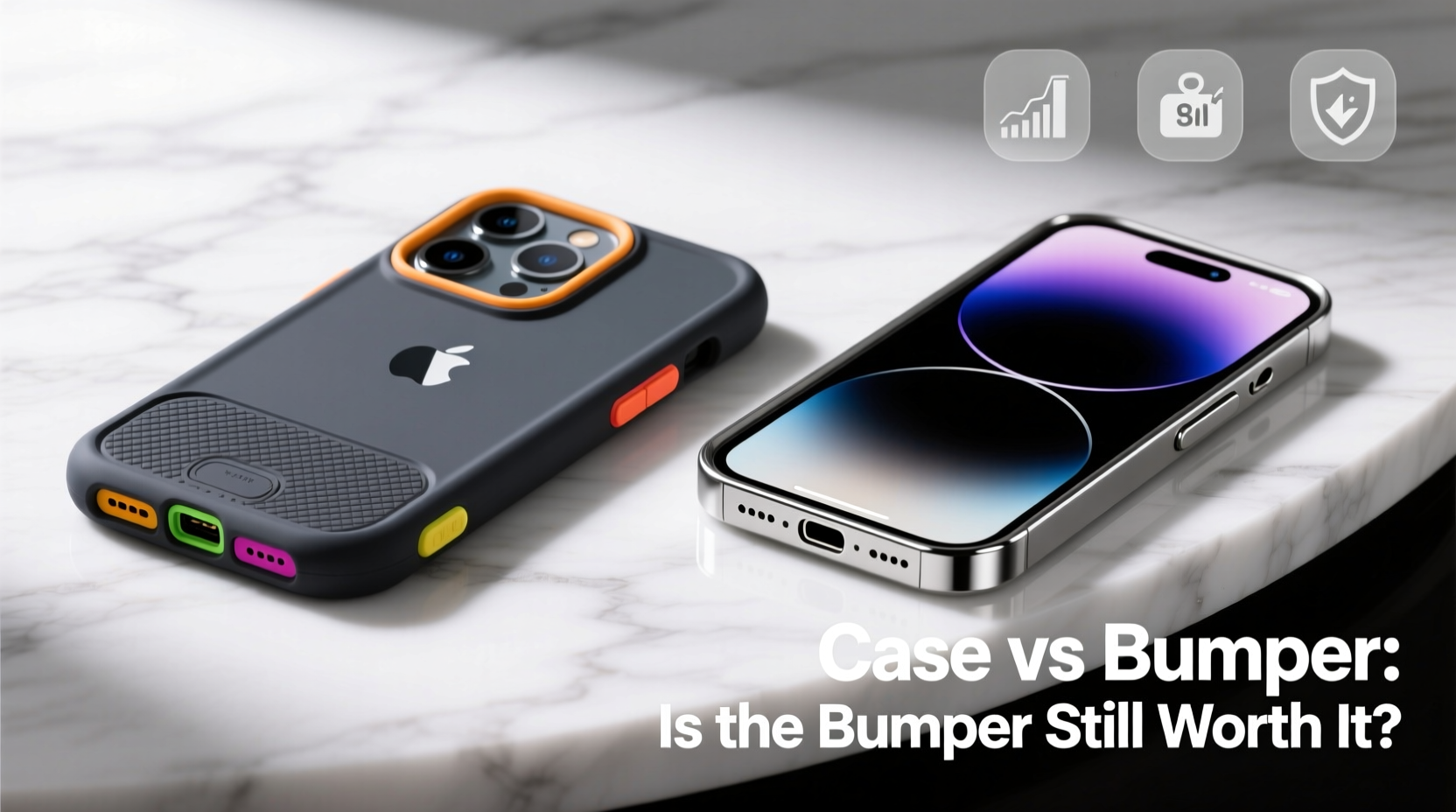
A full protective case typically covers the back and sides of the iPhone, often extending slightly above the screen and camera lens for added protection. These cases come in various materials—silicone, TPU (thermoplastic polyurethane), polycarbonate, leather—and offer varying degrees of shock absorption and grip.
In contrast, a bumper is a narrow frame that wraps only around the perimeter of the phone. It leaves the back and front exposed, focusing solely on shielding the edges—the most vulnerable point during drops. Bumpers are usually made from aluminum, steel, or hard plastic and were especially popular in the early 2010s.
The fundamental trade-off is clear: bumpers prioritize slimness and design preservation; full cases emphasize comprehensive protection.
Protection Comparison: Real-World Performance
When evaluating protection, three factors matter most: drop resistance, scratch prevention, and edge reinforcement.
| Feature | Full Protective Case | Bumper |
|---|---|---|
| Drop Protection (Height up to 4ft) | High – absorbs impact via cushioned corners and raised bezels | Moderate – protects edges but back and screen remain exposed |
| Scratch Resistance | High – back and sides fully covered | Low – back glass and screen prone to scuffs |
| Edge Reinforcement | Good – but bulkier material may crack under extreme force | Excellent – rigid metal frames resist deformation |
| Weight & Thickness Added | Noticeable increase | Minimal – adds less than 1mm |
| Pocketability | Reduced due to bulk | Unaffected – retains original profile |
Independent lab tests by Consumer Reports and Wirecutter show that while both options reduce damage during low-height drops, full cases significantly outperform bumpers when phones land screen-down or back-first on concrete or tile. Bumpers excel only when the impact is concentrated on the corners—precisely where their structure provides reinforcement.
“Bumpers can mitigate corner cracks, but they don’t eliminate the risk of catastrophic screen failure during high-impact drops.” — Dr. Lena Park, Materials Engineer at Mobile Durability Labs
Design and Aesthetic Considerations
One of Apple’s design philosophies centers on craftsmanship and visual elegance. Many users buy premium iPhones not just for performance but for aesthetics. Bumpers appeal strongly to this group because they preserve access to the device’s original finish—whether glossy glass, matte ceramic, or polished metal.
With a full case, the back of the iPhone is hidden. Even transparent cases yellow over time and collect micro-scratches, detracting from the phone’s appearance. In contrast, a well-crafted aluminum bumper enhances the look with a sleek, industrial accent while keeping the back visible.
However, this benefit comes with a caveat: exposed backs are more prone to fingerprint smudges and hairline cracks, especially on models with large glass areas like the iPhone 15 Pro Max. Without a protective layer, daily wear accumulates quickly.
Mini Case Study: The Minimalist Commuter
Take James, a graphic designer in Seattle who values clean lines and portability. He uses his iPhone 15 daily—on commutes, in cafes, and during client meetings. He chose a titanium bumper for its lightweight feel and compatibility with MagSafe accessories. After six months, his phone survived two minor drops onto carpeted floors and one onto wood. No structural damage occurred.
However, after five months, he noticed spiderwebbing near the bottom edge of the back glass—a result of repeated pressure in his jacket pocket against keys. His screen remained intact thanks to a high-quality tempered glass protector, but the back required a $79 repair under AppleCare+.
James concluded that while the bumper preserved the phone’s look and feel, it didn’t provide enough all-around protection for long-term use without additional safeguards.
Are Bumpers Worth It in 2024?
The relevance of bumpers today hinges on user behavior and technological advancements. Here’s a reality check:
- Improved Screen Glass: Modern iPhones feature Ceramic Shield, which Apple claims offers 4x better drop performance than previous generations. This reduces—but doesn’t eliminate—the risk of screen shattering.
- Larger, More Expensive Devices: With starting prices above $799 and repair costs exceeding $300 for screens and $450 for backs, protecting the entire device matters more than ever.
- Rise of MagSafe: Most bumpers now support MagSafe alignment, allowing easy attachment of wallets, chargers, and car mounts—something many full cases also support.
- Insurance & AppleCare+: More users carry coverage, reducing financial fear of damage. This makes minimal protection more viable for some.
Given these shifts, bumpers are no longer the default “smart” option. They’re now a niche product suited for specific lifestyles.
Checklist: Is a Bumper Right for You?
Ask yourself the following before opting for a bumper:
- Do I keep my phone in a bag or dedicated pocket away from keys and coins?
- Am I comfortable using a screen protector without affecting touch sensitivity?
- Have I historically avoided dropping my phone, or do I use it in high-risk environments (e.g., construction sites, gyms)?
- Do I value slimness and design visibility over maximum protection?
- Am I covered by AppleCare+ or insurance that includes accidental damage?
If you answered “yes” to most of these, a bumper might be a reasonable fit. Otherwise, a full-coverage case remains the safer bet.
Frequently Asked Questions
Can a bumper protect against screen cracks?
Only indirectly. A bumper reinforces the frame and may absorb some impact during corner hits, but it does not prevent direct screen impacts. For screen protection, a case with a raised bezel and a quality screen protector are essential.
Do bumpers interfere with wireless charging or signal reception?
No. Most modern bumpers are designed to be non-conductive or use materials like anodized aluminum that don’t block signals. They also allow seamless Qi2 and MagSafe charging, provided they’re properly aligned.
Why did bumpers decline in popularity?
As iPhones became larger, heavier, and more expensive, consumers prioritized protection over thinness. Full cases evolved to offer slimmer profiles, better materials, and integrated features (like kickstands or battery packs), making them more appealing for average users.
Final Verdict: Choose Based on Lifestyle, Not Legacy
Bumpers aren’t obsolete—but they’re no longer the practical default they once were. Their value lies in specific scenarios: users who prioritize design, have careful handling habits, and accept calculated risks. For everyone else, especially those with active lifestyles or children, full protective cases deliver peace of mind that bumpers simply can’t match.
Technology evolves, and so should our choices. The question isn’t whether bumpers are “worth it” in absolute terms, but whether they align with how you live and use your device. If you love the look of your iPhone and treat it with care, a bumper paired with smart accessories can work. But if you want true drop protection, invest in a case engineered for impact resistance.




 浙公网安备
33010002000092号
浙公网安备
33010002000092号 浙B2-20120091-4
Comments
No comments yet. Why don't you start the discussion?