
In 2025, the battle between iPhone and Android has evolved beyond hardware specs. What once boiled down to screen size and camera megapixels now hinges on ecosystem integration, long-term software support, AI capabilities, and user autonomy. Apple’s tightly controlled iOS environment continues to promise seamless experiences across devices, while Android—driven by Google and an expanding network of OEMs—has made dramatic strides in refinement, customization, and intelligence. The question isn’t just about which phone performs better today, but which platform offers a sustainable, secure, and satisfying experience over time.
Performance and Hardware Innovation
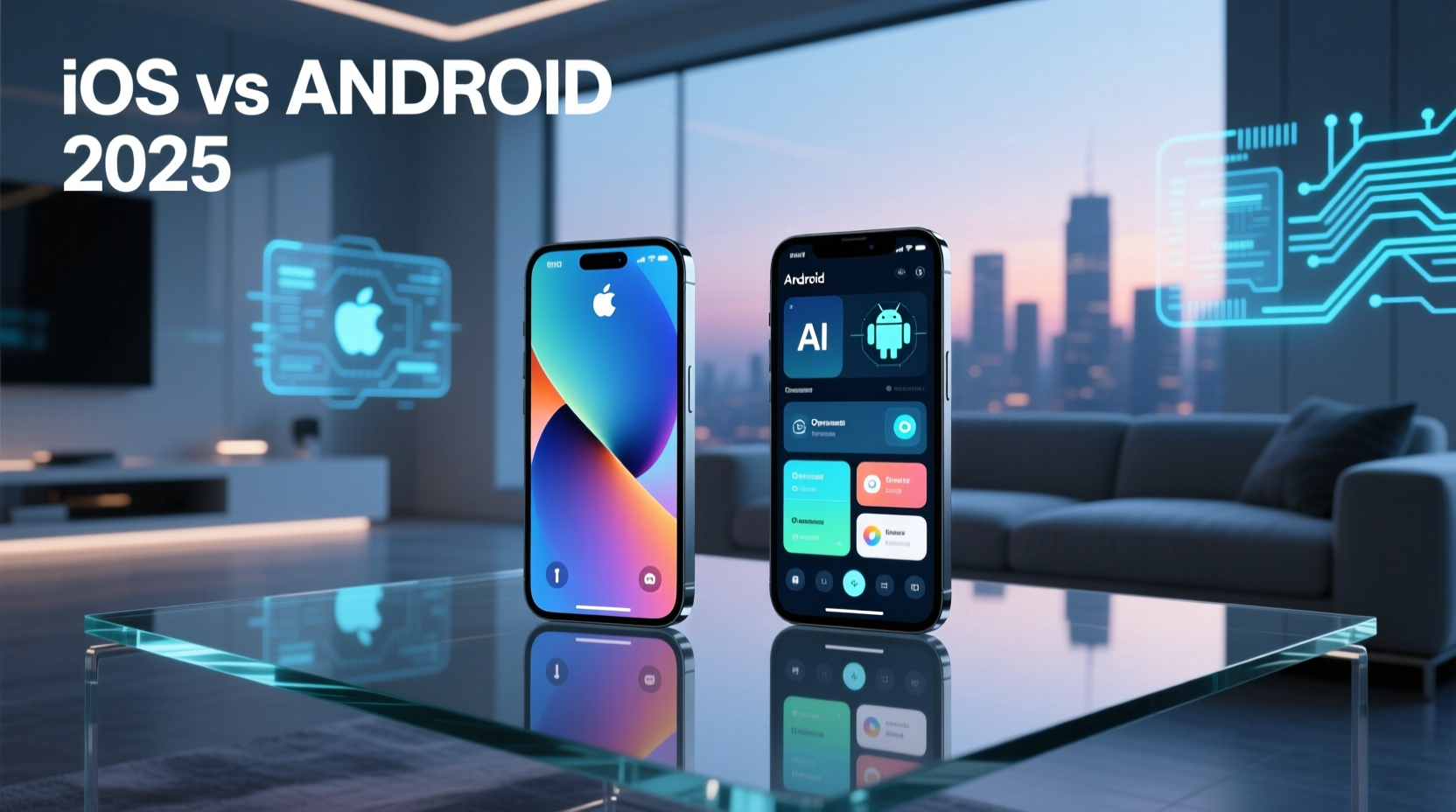
Apple’s A-series chips have long held a lead in single-core performance, thanks to vertical integration between silicon and software. In 2025, the A18 Bionic delivers not only raw speed but optimized machine learning throughput, enhancing features like real-time language translation, augmented reality navigation, and on-device AI processing without cloud dependency. iPhones continue to prioritize efficiency and thermal management, allowing sustained performance even under heavy workloads.
On the Android side, Qualcomm’s Snapdragon 8 Gen 4 and Samsung’s Exynos 2500 close the gap significantly. Flagship devices from Samsung, OnePlus, and Google Pixel now match or exceed iPhones in multi-core benchmarks and graphics rendering. What sets Android apart is diversity: users can choose from ultra-thin foldables, rugged outdoor models, or budget-friendly flagships—all powered by increasingly capable hardware.
Ecosystem Integration: The Invisible Advantage
Apple’s ecosystem remains one of its strongest selling points. Handoff, AirDrop, Universal Clipboard, and Continuity Camera create a frictionless experience for users invested in Macs, iPads, Apple Watches, and AirPods. In 2025, these integrations are deeper than ever, with cross-device AI suggestions predicting your next action whether you're on an iPad or MacBook.
Android has responded aggressively. Google’s “Fast Pair” technology now supports instant device switching for headphones and peripherals. Samsung’s ecosystem mirrors Apple’s with DeX, SmartThings, and Knox security spanning phones, tablets, watches, and home appliances. Meanwhile, Microsoft’s integration with Android via the Your Phone app allows near-native Windows synergy—something Apple still limits.
“Ecosystem lock-in is no longer just about convenience—it's about productivity. Users don’t switch platforms because the cost of relearning workflows is too high.” — Dr. Lena Patel, Tech Anthropologist at MIT Media Lab
Software Updates and Longevity
iOS leads in update consistency. Every supported iPhone receives major OS updates for five to six years, regardless of model. Security patches arrive monthly, and App Store optimization ensures older devices remain usable long after release. This predictability makes iPhones a favorite among enterprise users and those who keep phones for extended periods.
Android historically lagged due to fragmentation. However, Google’s Project Mainline and increased commitment from OEMs have transformed the landscape. In 2025, flagship Android phones—including mid-tier Pixel models—guarantee seven years of OS and security updates. Samsung, OnePlus, and Xiaomi now offer similar commitments, reducing the longevity gap substantially.
Update Support Comparison (2025)
| Brand/Model | OS Updates | Security Updates | Average Device Lifespan |
|---|---|---|---|
| iPhone 15 and later | 6 years | Monthly, 6+ years | 5–6 years |
| Google Pixel 8 and later | 7 years | Monthly, 7 years | 5–7 years |
| Samsung Galaxy S24 and later | 7 years | Monthly, 7 years | 5–6 years |
| OnePlus 12 and later | 4 years OS, 5 years security | Bi-monthly | 4–5 years |
Privacy, Security, and User Control
Apple continues to position itself as the privacy-first brand. In 2025, iOS includes advanced on-device processing for Siri, Photos, and Messages. Features like Lockdown Mode, App Privacy Reports, and enhanced tracking prevention give users granular control. However, this comes at the cost of flexibility—jailbreaking remains restricted, and sideloading is limited even after EU regulatory pressure.
Android offers more transparency and choice. With Android 15, users can grant one-time permissions, isolate apps in sandboxed profiles, and install third-party app stores freely. Google Play Protect has improved detection rates, and Samsung Knox provides military-grade encryption. Yet, the openness invites risk: malicious apps still slip through lesser-known marketplaces, making user vigilance essential.
AI and the Future of Mobile Experience
Both platforms are betting heavily on artificial intelligence. Apple Intelligence, introduced in iOS 18 and refined through 2025, enables natural language summarization, proactive reminders, and photo editing via voice commands—all processed locally. While powerful, it launched later and covers fewer use cases than competitors.
Google’s Gemini integration in Android 15 is deeply embedded. From real-time call screening with contextual awareness to AI-powered search within photos and notes, Gemini acts as a persistent assistant. It leverages both on-device and cloud models intelligently, offering broader functionality. Motorola and Samsung also integrate their own AI layers—like predictive battery optimization and adaptive display tuning—giving Android an edge in personalization.
Mini Case Study: Sarah, Digital Nomad and Freelancer
Sarah switched from iPhone to a Samsung Galaxy Z Fold 5 in early 2024. As a freelance designer and writer, she needed multitasking, stylus input, and seamless cloud sync. She found that Samsung DeX turned her phone into a desktop replacement, while Google Keep and Docs worked flawlessly with voice AI. After initial concerns about update frequency, Samsung’s promise of seven years of updates eased her mind. By late 2025, she reports higher productivity and lower total cost of ownership—proving Android can meet professional needs once thought exclusive to Apple.
Checklist: Choosing Between iPhone and Android in 2025
- ✅ Assess your existing tech ecosystem (Mac, Windows, smart home)
- ✅ Prioritize update longevity if you keep phones for 4+ years
- ✅ Consider AI features you actually use (voice assistants, summaries, automation)
- ✅ Evaluate repair costs and availability of service centers
- ✅ Test real-world camera performance in your typical lighting conditions
- ✅ Decide how much customization matters (launchers, default apps, sideloading)
- ✅ Check carrier compatibility and warranty options
Frequently Asked Questions
Is iOS still more secure than Android?
Yes, in terms of default protections and attack surface, iOS maintains an edge due to strict app review and sandboxing. However, modern Android—with verified boot, regular patches, and Google Play Protect—is secure enough for most users. The biggest risks come from sideloading apps outside trusted stores.
Can Android phones last as long as iPhones?
They can, especially flagship models from Google, Samsung, and OnePlus that now offer up to seven years of updates. Battery degradation and build quality remain factors, but with proper care, high-end Androids now rival iPhones in lifespan.
Will Apple ever allow full app sideloading?
Due to EU Digital Markets Act requirements, iOS 17.4 introduced limited third-party app store access in Europe. By 2025, Apple continues to resist full sideloading globally, citing security risks. Expect gradual expansion in regulated markets, but tight control elsewhere.
Conclusion: Which Platform Wins in 2025?
The answer depends on what you value. If you prioritize simplicity, long-term reliability, and deep integration with other Apple devices, iOS remains worth the premium. Its polished interface, consistent updates, and privacy-first design cater to users who want technology to stay in the background.
But Android has undeniably caught up—and in key areas, surpassed. With longer update guarantees, greater hardware variety, and more aggressive AI integration, Android now appeals not just to tinkerers and budget buyers, but to professionals and power users alike. For those seeking flexibility, innovation, and value, Android in 2025 isn’t just competitive—it’s often the smarter choice.




 浙公网安备
33010002000092号
浙公网安备
33010002000092号 浙B2-20120091-4
Comments
No comments yet. Why don't you start the discussion?